

For all the times I’ve traipsed around the musical playground that is Liverpool (a firm favourite of mine — possibly even above Manchester, but don’t tell them), I’d somehow never made it to Jacaranda Baltic. And that’s despite practically having a loyalty card for the pub side of the operation.
So there I was, weaving through the streets like a deranged tourist, passing another favourite of mine — Hangar 34 — before stopping by a lovely young Scouse lad.
“Mate, where’s the Jacaranda Baltic?” I asked. To be honest, at this point, I was ready to accept any answer, even if it involved a boat. Bless him, he gave me directions so detailed I thought he was going to a flipchart out and then demanded, “’Av a lovely night girl, yeah?” Honestly, THIS is why I adore Liverpudlians. The only people who can make you feel like a welcome guest when totally out of your comfort zone.
After a few access complications where the venue briefly mistaking me for someone who knew where they were going, the staff — who were genuinely lovely — guided me inside. They pointed me down a flight of stairs, through a corridor, around a corner, and possibly into another dimension. Even now, I couldn’t redraw the layout of this musical rabbit warren.
Once inside, I received instructions on when and how to enter the pit. Very official. Very procedural. The whole thing felt a tad fussy for me. It was like the place was auditioning to be Co op Live’s smaller, more over enthusiastic cousin. Charming, but overkill for a venue of this size. Judging by the crowd, I’d peg the capacity around the 350–400 mark. Similar to my local venue in Stoke – ‘Eleven’. The procedure there is ‘walk in, get ‘stamped by Debs’ and sod off. Simple. Just how I like it.
For a school night, it was impressively close to full. Again, a bit disappointing on the organisation-front around the bar area, where the barriers were positioned in such bizarre places, I thought what the heck is happening here, a social experiment? Or maybe an escape room. Hard to tell, but anyway, less about the venue and it quirks.
The Sukis kicked off the night with a sharp, high energy set that instantly grabbed the Jacaranda Baltic crowd. Admittedly, my main interest was the Molotov’s but when hearing this band, I leaned over to the chap next to me and shouted “who’s this then?” In his best scouse he shouted back “Sukiz (sounding Sookeeez”, that’s not Suzuki’s, he said, “Just Sukiz”. Not bad I thought. I like a band that stops you in your tracks and makes you listen which is exactly what these guys did.
Their performance was tight, lively, and full of confidence. Short but impactful, The Sukis warmed the room up perfectly, ready to set the scene for The Molotovs’ explosive set.
So, who exactly are The Molotovs? They seem to have exploded out of nowhere, and yet suddenly they seem to be everywhere. In reality, they’re a British rock trio forged in London during the COVID 19 lockdown, not through industry connections or lucky breaks, but through necessity and sheer determination. Siblings Mathew Cartlidge (17, guitar/vocals) and Issey Cartlidge (19, bass/vocals) found themselves unable to rehearse with their previous bands, so they did the obvious thing and started their own. Completing the lineup is their drummer, the brilliantly named Ice, who joined early on. With over a decade of drumming under his belt despite his young age, Ice quickly became the band’s rhythmic anchor and a key part of what would become their unmistakable sound.
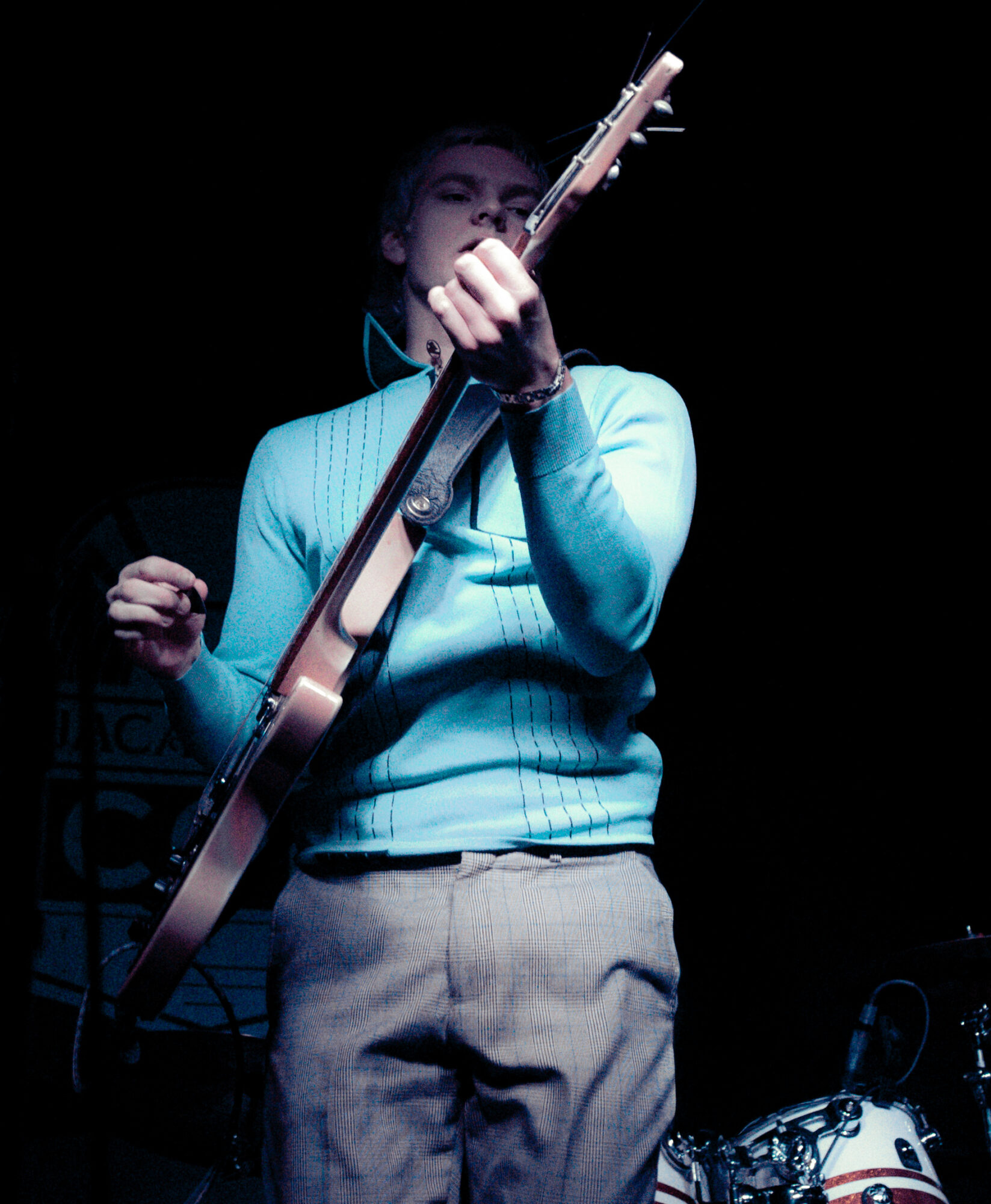

With venues closed and no stages available, The Molotovs did what only the most determined young band would do and took their music to the streets. They busked in parks, on pavements, outside record shops, and essentially anywhere that didn’t involve being moved on immediately. These guerrilla style pop up gigs weren’t just a workaround, they became the foundation of their identity. The spontaneity of it all helped them build a grassroots following, attract industry attention, and rack up a staggering number of performances at an age when most musicians are still negotiating their first rehearsal room.
Their work ethic is the stuff of myth. By 2025 they’d already surpassed 500 live shows, and by 2026 they were edging towards 600, all while still being (incredibly) teenagers. Yes, teenagers. Reminiscent of stories like “Paul meeting George on the top deck of the school bus,” except now the top deck is a lockdown London street corner with a portable amp. The Molotovs’ reputation for intense, high energy performances was born right there on the pavement and carried with them as they moved into clubs, festivals, and eventually large venues and arenas. What started as a lockdown workaround has now become one of the most relentless and exciting young live acts in the UK.
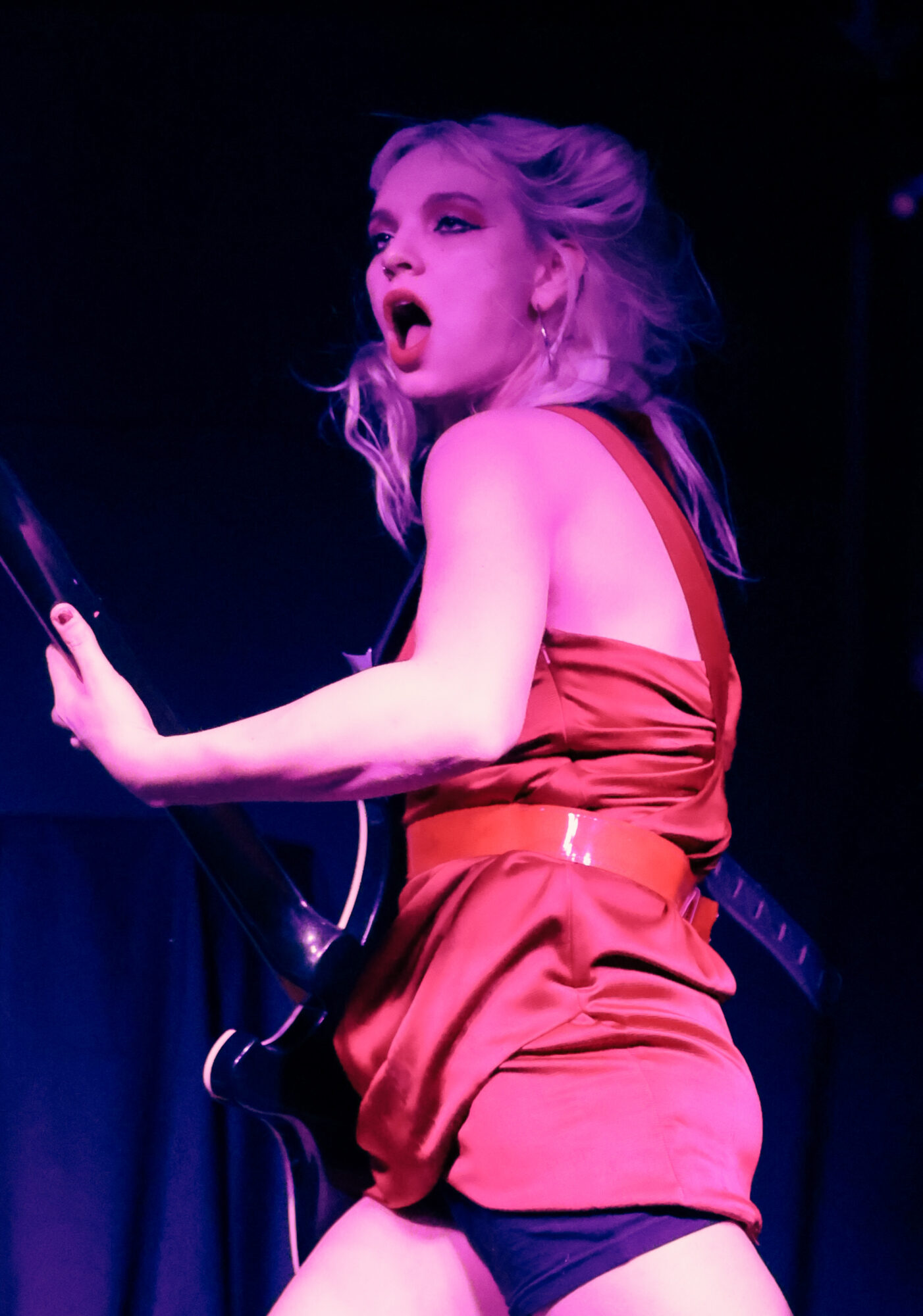
I’ve been watching The Molotovs progression over the past few years and wanted to photograph them. Especially Issey. She rocks up and erupts. I could only hope my shutter speed was fast enough to keep up.
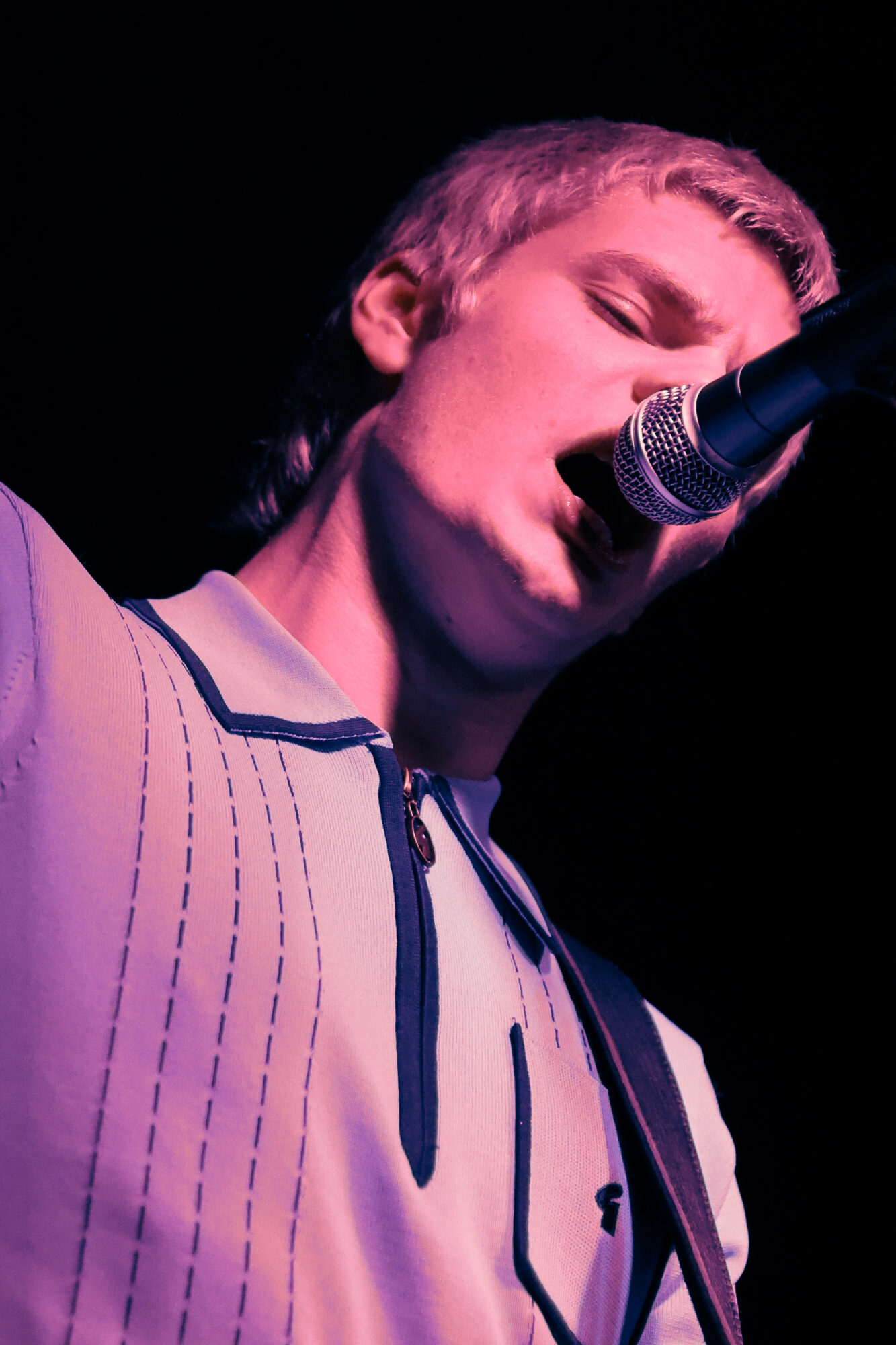
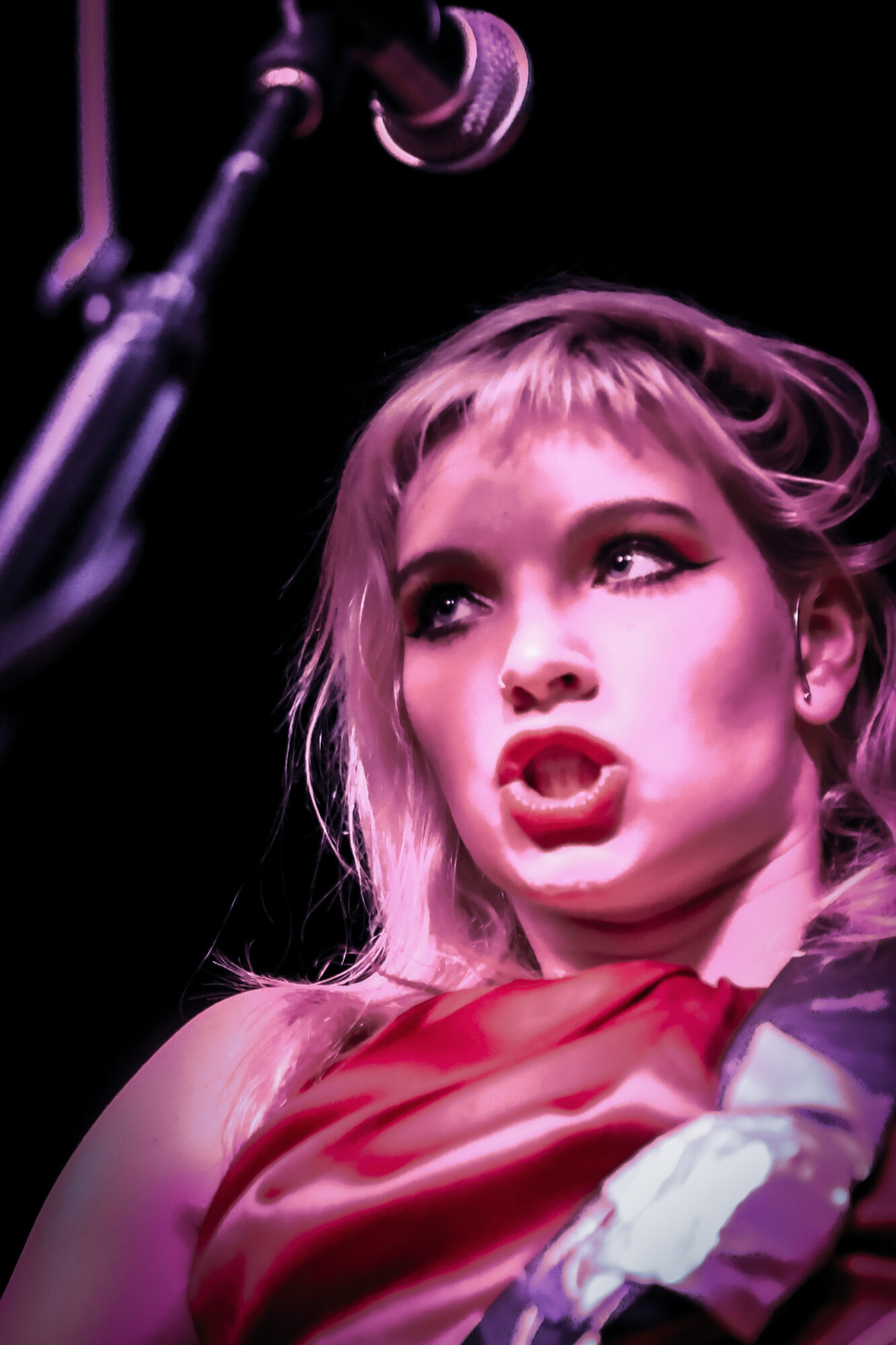
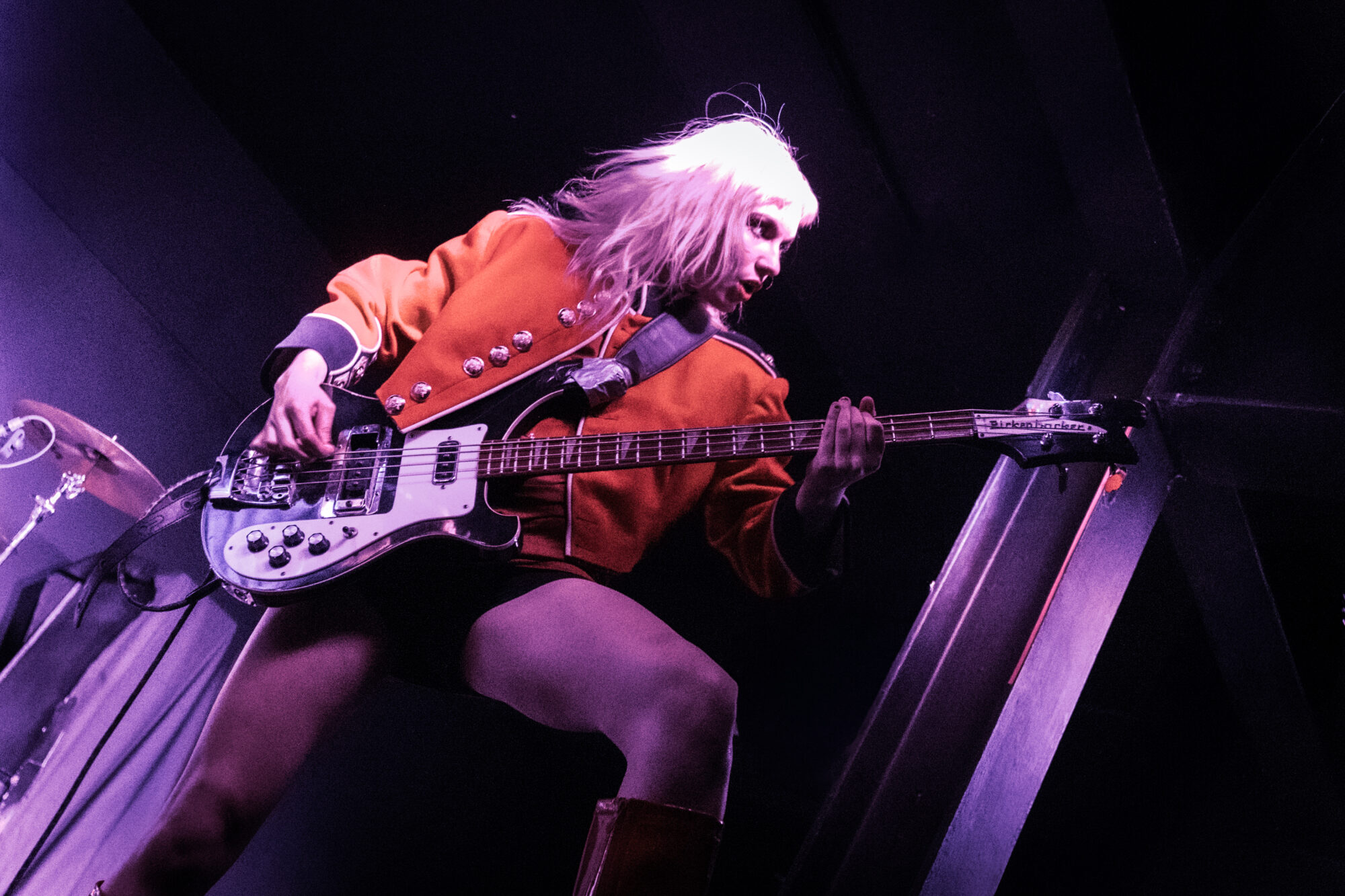
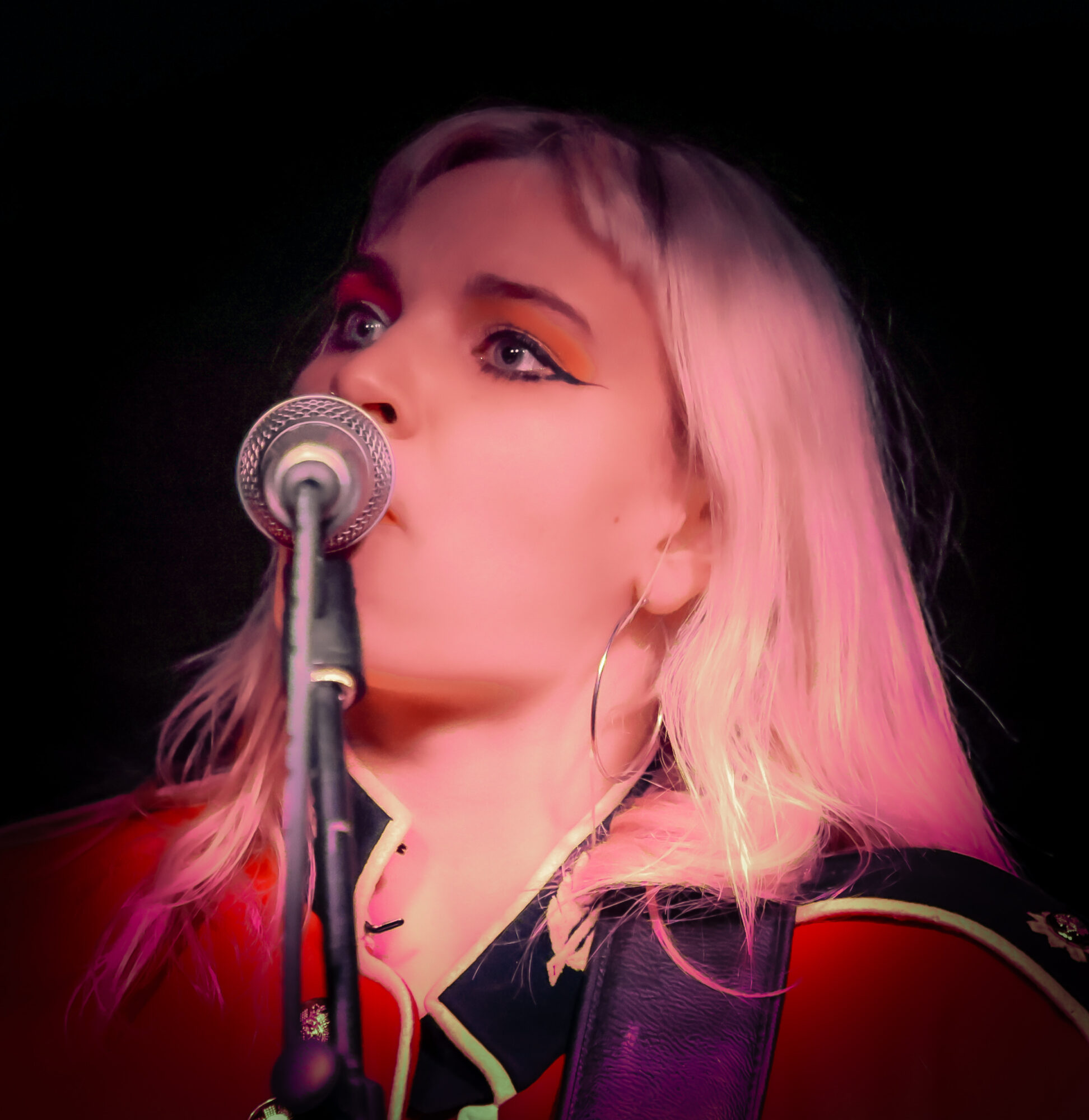
There are very few female musicians on today’s circuit going at performance with this level of ferocity. Most glide across stages with choreographed melancholy, spending half their set unpacking emotional trauma to backing track perfection, while Issey performs like she’s about two seconds away from head butting the front row just to remind them they’re at a gig not a wellness retreat. She arrives with ‘attitude’ set-on ‘maximum’ with facial expressions that say she’s warming up for a punch-up. The bass, held together with a heroic amount of gaffa — gets slung into position, (actually various positions) boot on the monitor, body leaning into the crowd as if to say: “Here, you’re F***ing having it.”
I’m firmly positioned on the heterosexual bus, but I think Issey could be my ‘girl-crush’. It’s a ‘mod-thing’. Her “shouty mod” delivery isn’t polished, market tested, or algorithm friendly and thank god. She’s not here to be relatable, she’s here to set the room on fire. If the current industry trend is soft focus vulnerability, Issey is the steel toe boot kicking through the everyone’s lens. In my opinion, the UK live scene desperately needs bands who don’t apologise for taking up space. Bands who can drag the corpse of punk out of the ground, give it a good slap and order it to get back to work. That someone are the Molotovs. And if that makes the rest of the scene uncomfortable? Good. That’s punk.
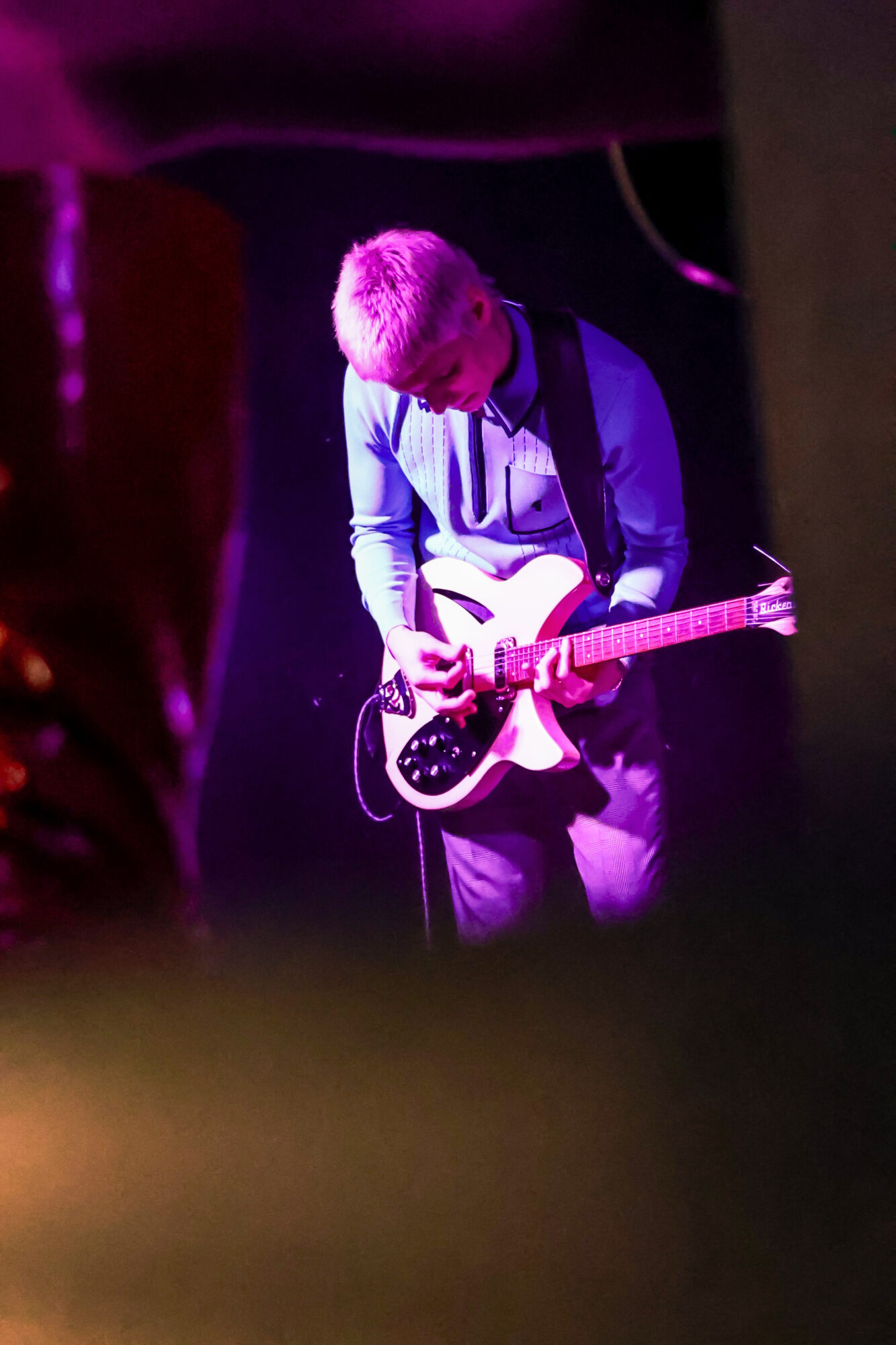
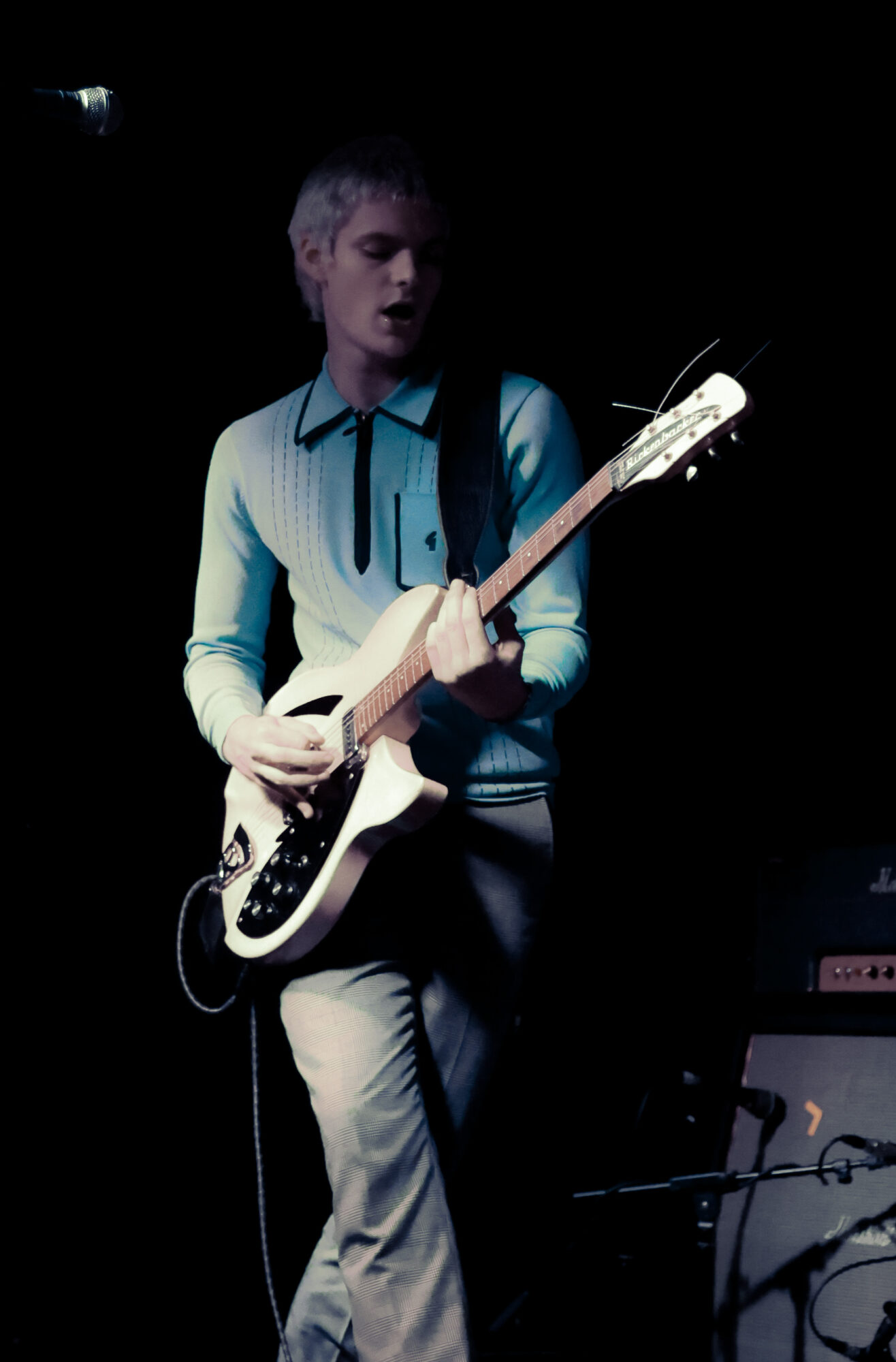
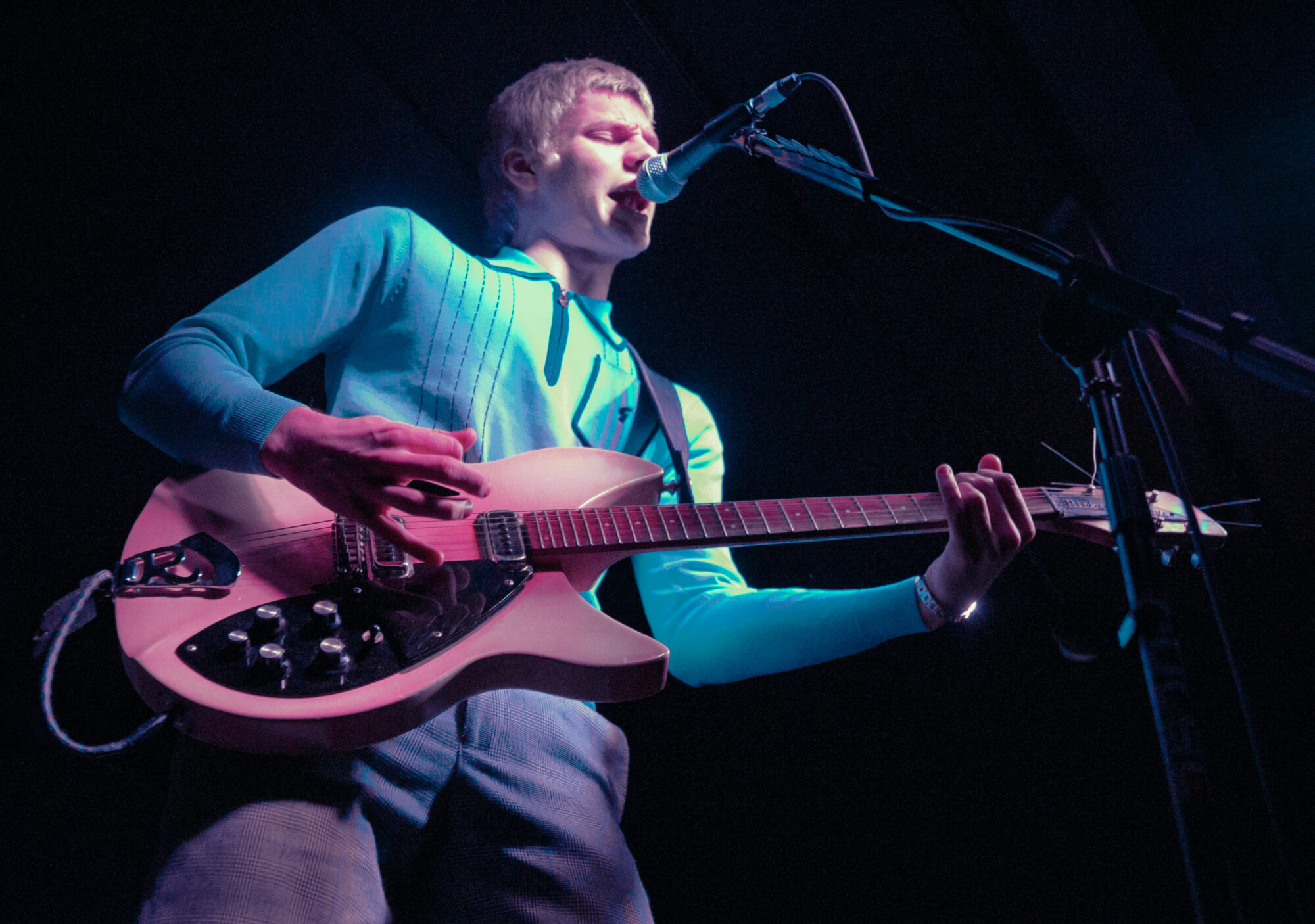
Their sound is thanks to Matt and his beloved Rickenbacker 330 and instantly recognisable and the backbone of The Molotovs’ personality. That shimmering jangle gives Matt the ability to fill a space normally occupied by two guitars, an essential quality since The Molotovs perform as a power trio on stage. Its sharp, articulate tone cuts through mixes, delivering the tight, aggressive riffing which is pure joy. You can tell he and Issey grew up being influenced by the likes of The Jam and The Buzzcocks, with possible early 2000s indie icons (at a guess) like Arctic Monkeys.
For every bit of footage that pops up on Faceache, there’s always that one smart arse chiming in with, “They’re not The Jam.” Well… no kidding. Did it ever cross their minds that they’re not trying to be? Yes, you can hear the influence but since when has being influenced been a crime? If anything, it’s a blessing.
The crowd was a glorious mix of wide eyed first timers getting their first sip of punk energy, and some mod veterans clearly reliving the glory days of when music came with opinions and style. A quick scan of the room revealed a few strong contenders for “Paul Weller Lookalike of the Year” the hair, parkas and the neck scarves… the full Modfather starter pack. And really, when you think about it, what an accomplishment, attracting fans who worship at the altar of Weller.
The Molotovs approached the stage with the presence of a band on the rise, hungry, focused, and tight. Their energy filled the basement venue from the first song to the last. Their set felt intentional, no fillers, waffle, no wasted moments, just punchy, well-delivered tracks that kept the room moving.
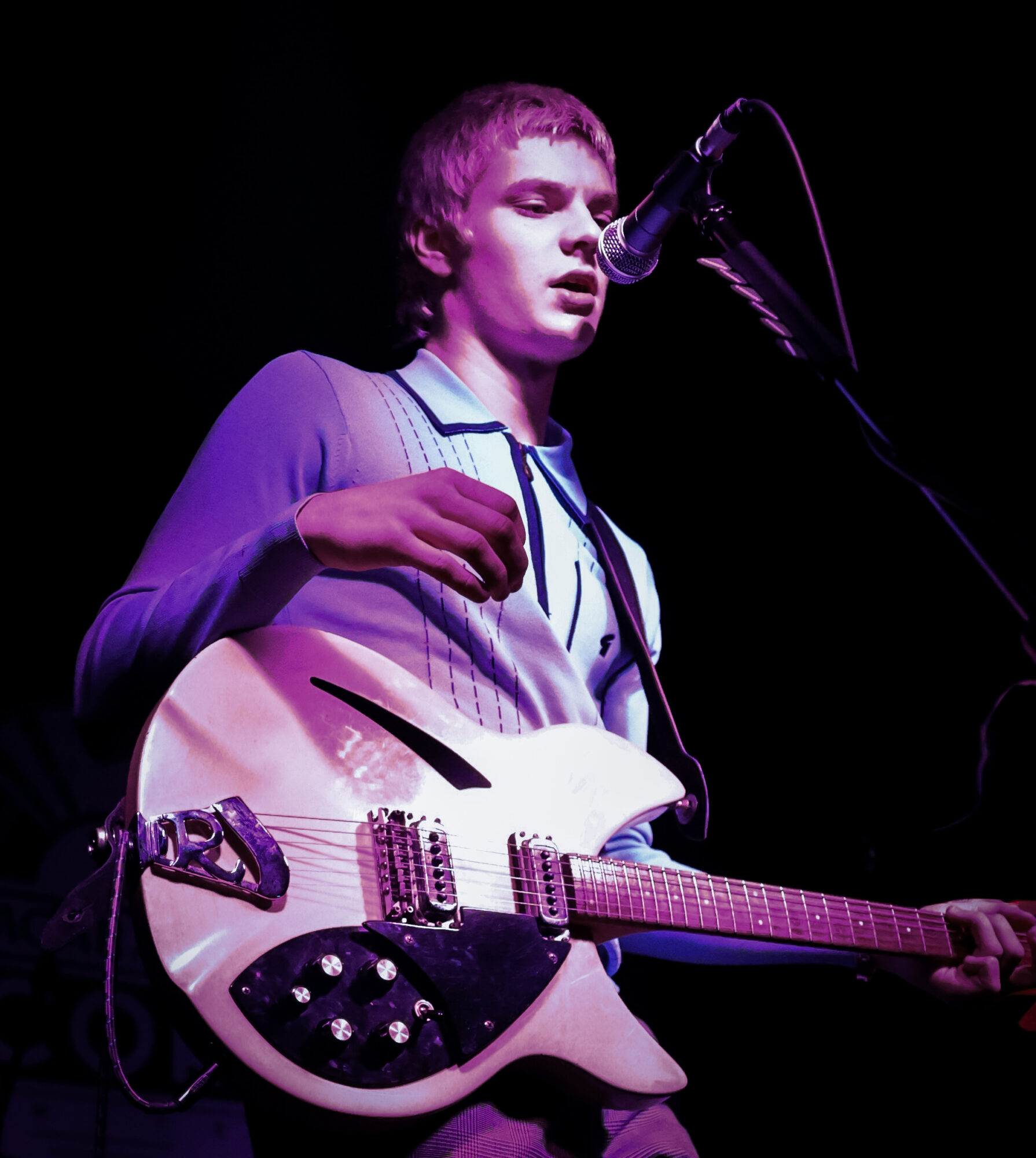
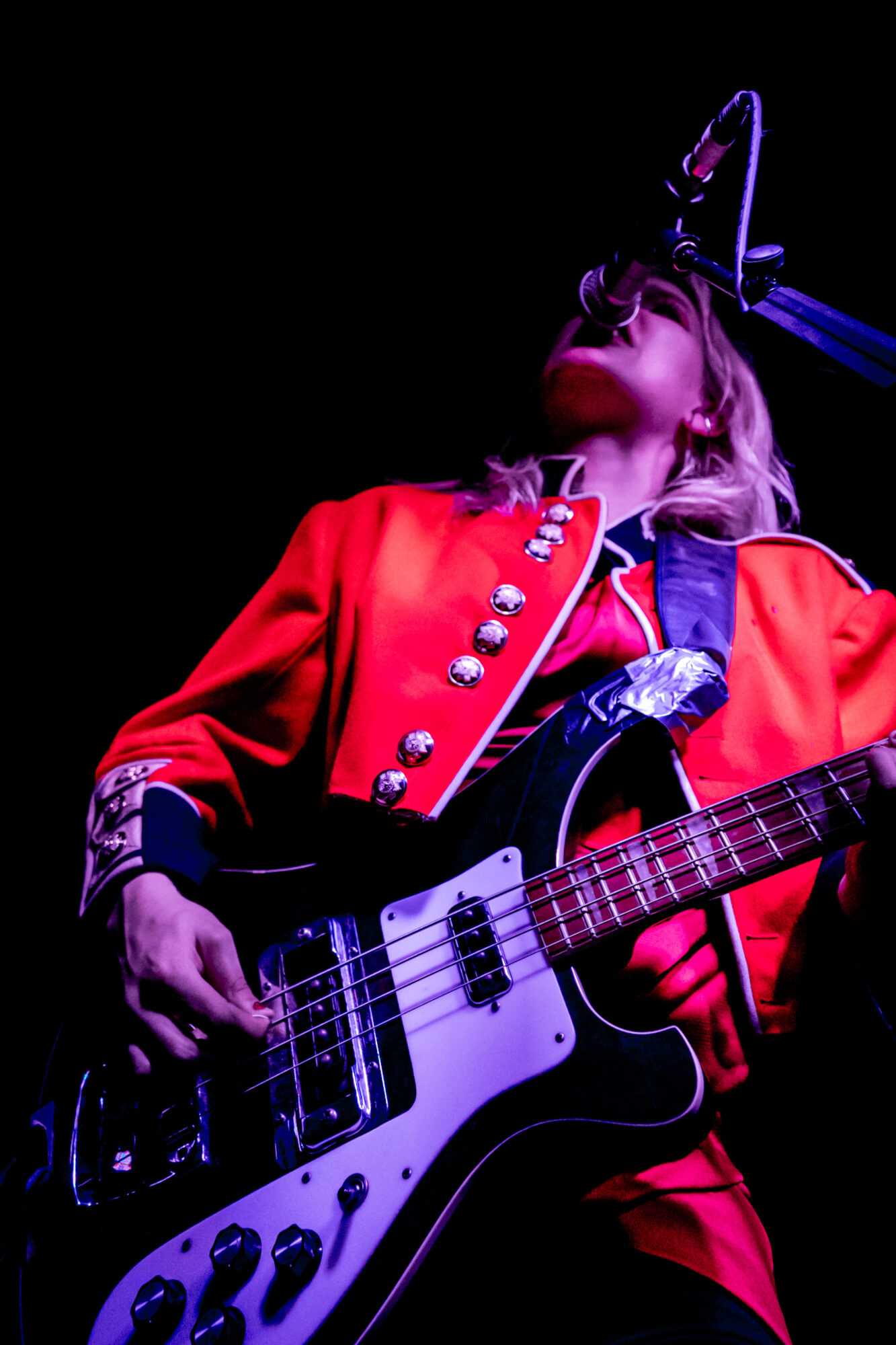
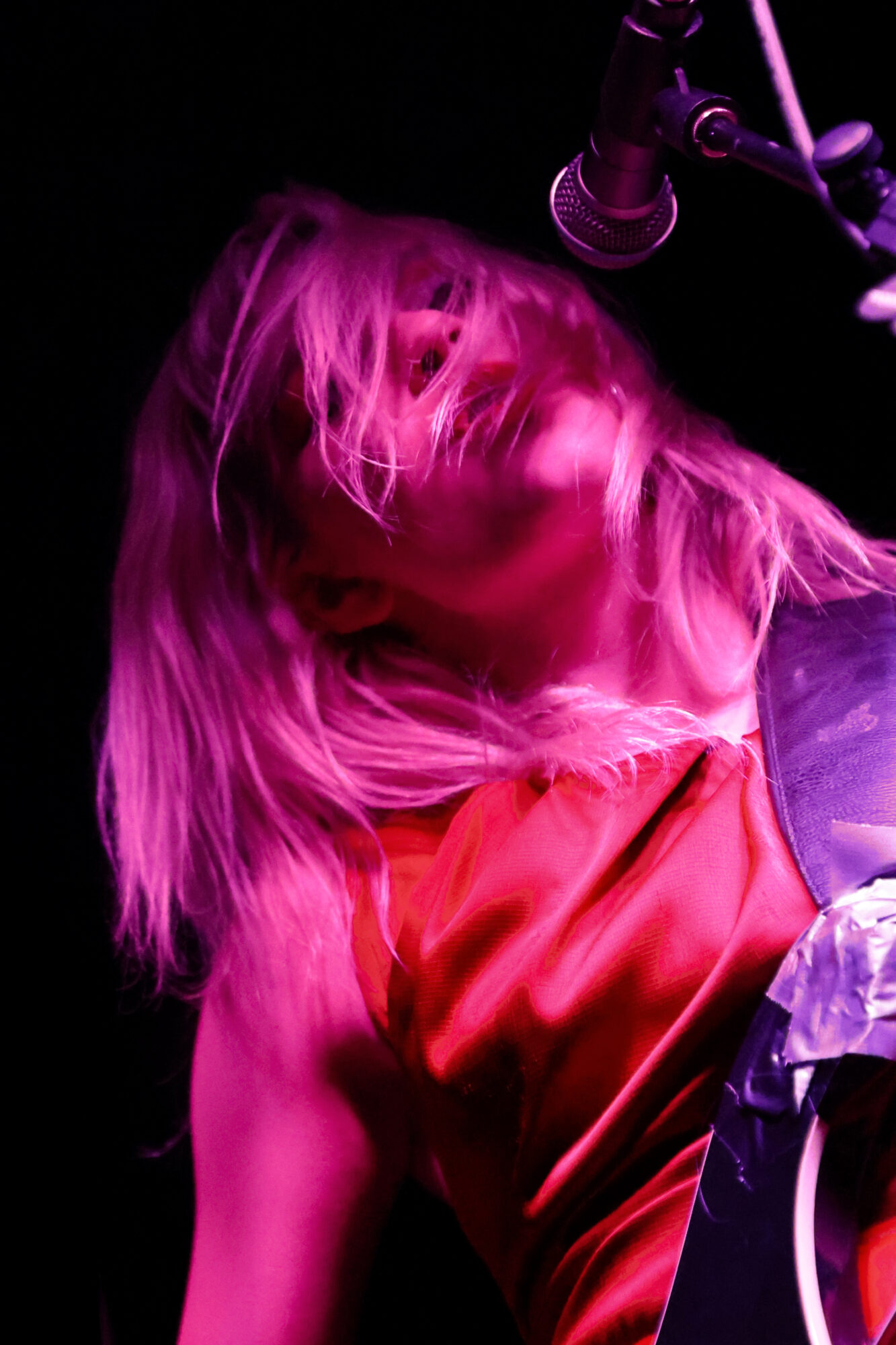
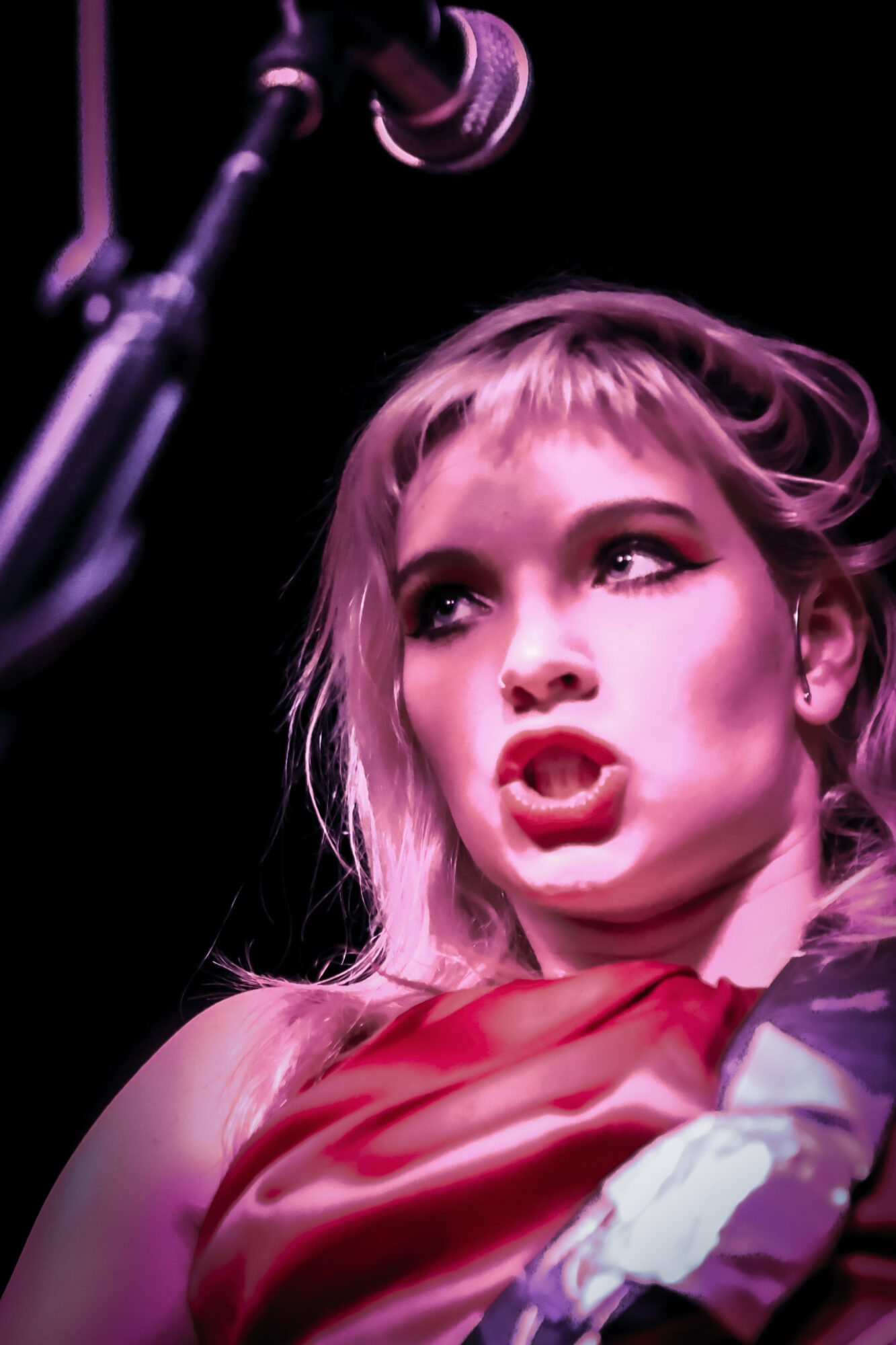
The band’s onstage chemistry translated naturally into the crowd, creating an atmosphere that felt genuine rather than forced. Liverpool audiences are known for their honesty and they don’t offer enthusiasm unless it’s earned. The response spoke for itself. Particularly when Matt announced “I think we have time for one more”.
Across a 13 song set, they delivered a confident run of high energy tracks from Daydreaming through to Johnny don’t be scared. Personal highlights included Geraldine, Wasted on Youth, and Urbia, while Rhythm of Yourself stood out as one of the most enjoyable moments of the night.
Watching The Molotovs makes you realise they’re quite the potent cocktail. The kind that ignites a room the moment they step on stage, embodying the explosive energy the industry has been missing. From their scrappy beginnings busking through lockdown to their blistering headline runs across grassroots venues, they treat every gig as if they’re lighting the fuse on something volatile and genuinely exciting.
In short, The Molotovs perform like a bomb, not destructive, but disruptive. They’re a burst of fire in an industry that sometimes forgets how good it feels to be shaken awake, leaving you wanting more more more.
Photos and Words by Shavorne Wilbraham
