I’ve been lucky enough to photograph some incredible musicians over the years, but the ones that stay with me aren’t always the household names. Sometimes you walk into a venue and stumble across something genuinely magical. An artist who should be playing much bigger stages, performing to far more people than those lucky enough to be in the room that night and for a couple of hours it feels like you’ve been let in on a secret. The funny thing is, when that happens, I almost don’t want to tell anyone. I want to enjoy the moment, soak it all in and selfishly keep that experience to myself for just a little longer. Then the photographer, reviewer and live music lover in me takes over again, because when somebody is that good, it feels almost like a responsibility to go home, sort through the images and tell people exactly what they’ve missed. This is exactly what this night felt like.

I’ve always believed that the right venue can elevate a gig before a single note has even been played, and The Deaf Institute is one of those places. Originally built as Manchester’s Deaf Institute and now operating as one of the city’s most loved independent music venues, it manages to combine character, history and atmosphere in equal measure. There’s character everywhere you look. The wooden floors bear the evidence of generations of gig goers. In the busiest parts of the room, decades of footsteps have worn through layers of varnish only for them to be lovingly reapplied time and time again. Combined with the balcony overlooking the stage and the building’s rich history, it creates the unmistakable feeling that you’re standing somewhere with countless stories to tell if it could. What I particularly love is the intimacy. You never feel disconnected from what’s happening in front of you. When a performer is having a great night, the energy spreads through the room almost instantly. When a crowd is fully engaged, the artists can feel it just as easily. For artists on the rise, venues like The Deaf Institute feel perfectly suited. Big enough to generate genuine energy, small enough to make every performance feel personal and as people filtered through the doors, there was already a sense of anticipation. This felt like one of those nights where the audience knew exactly why they were there. On nights like this, it’s hard to imagine a better setting.

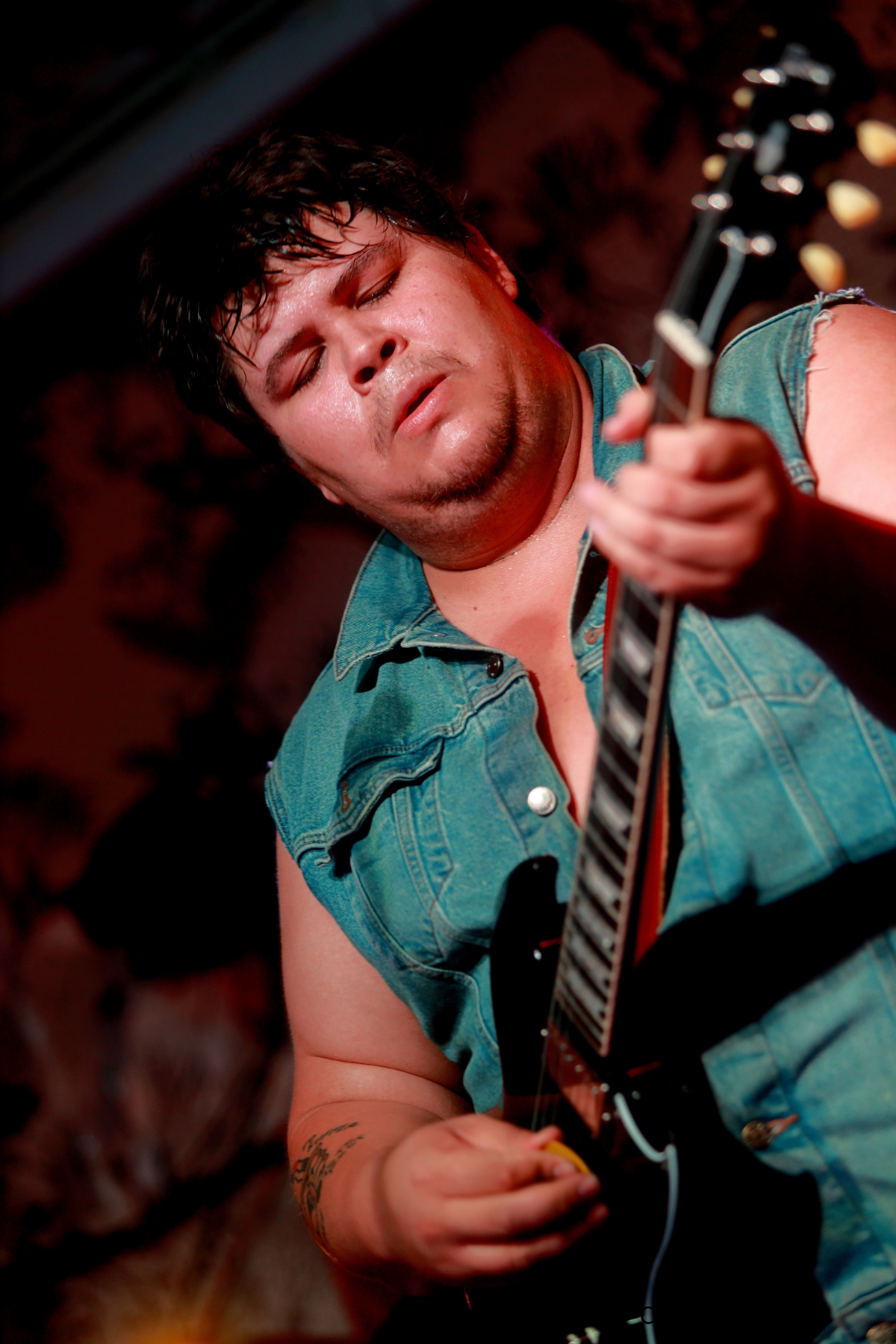
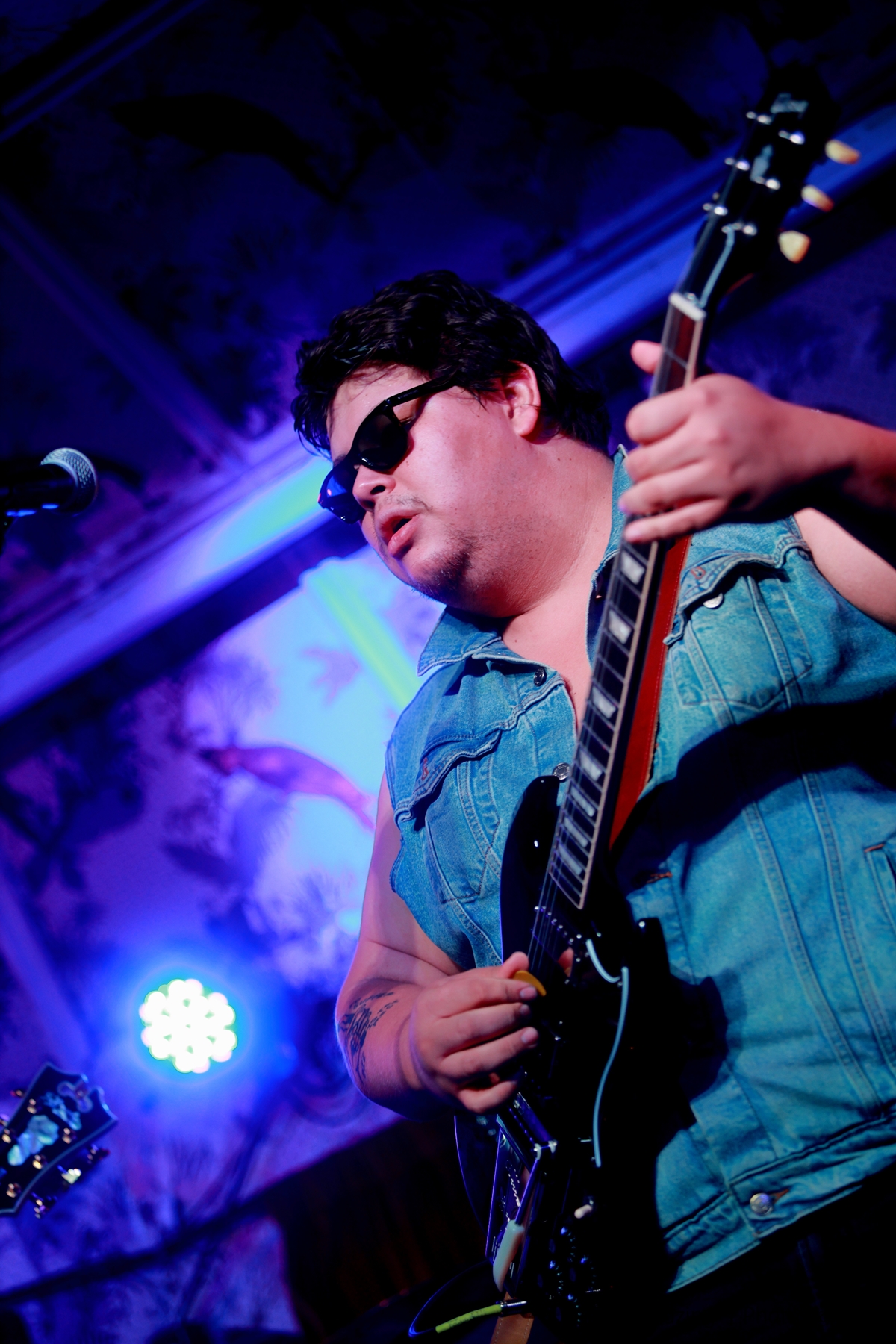
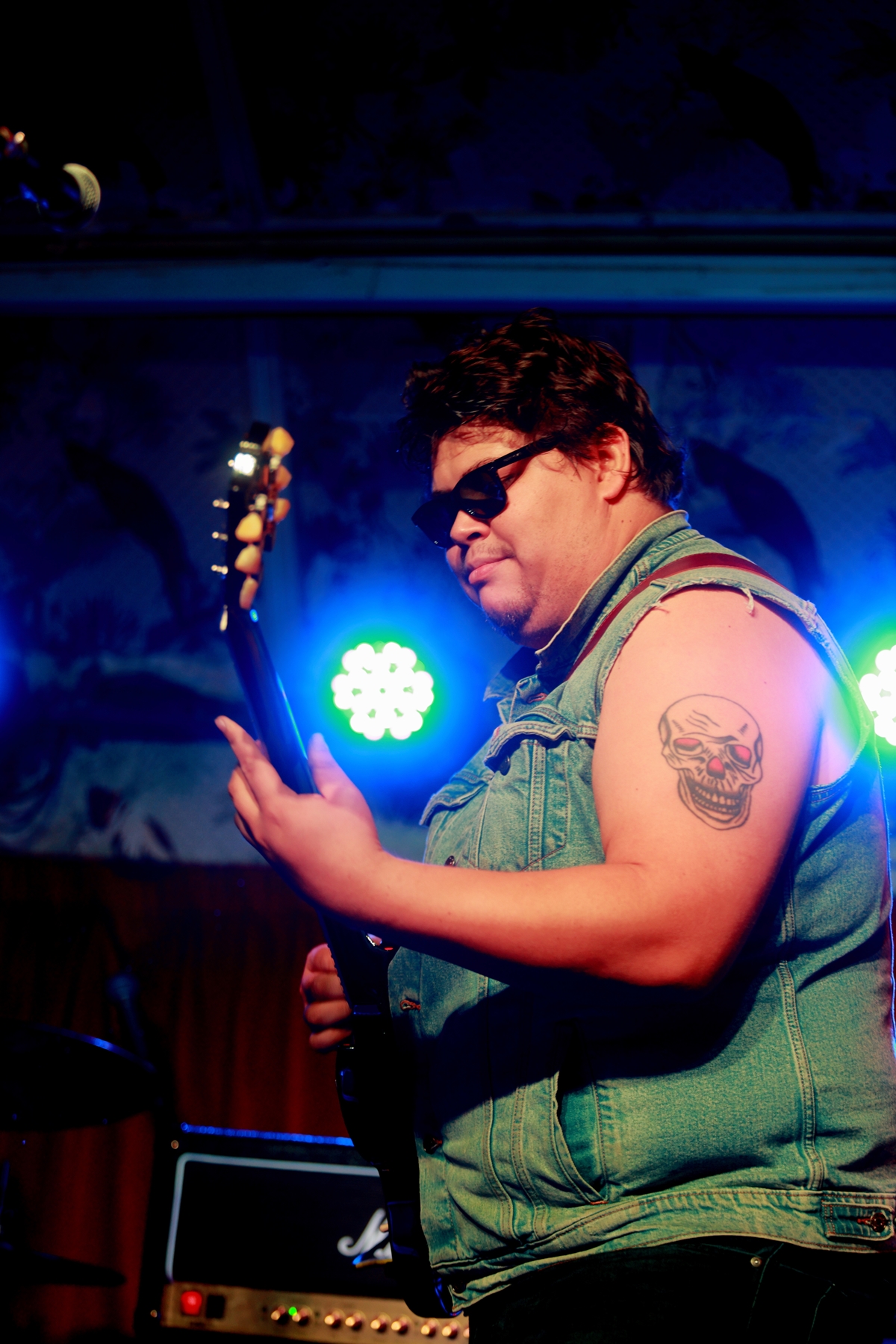
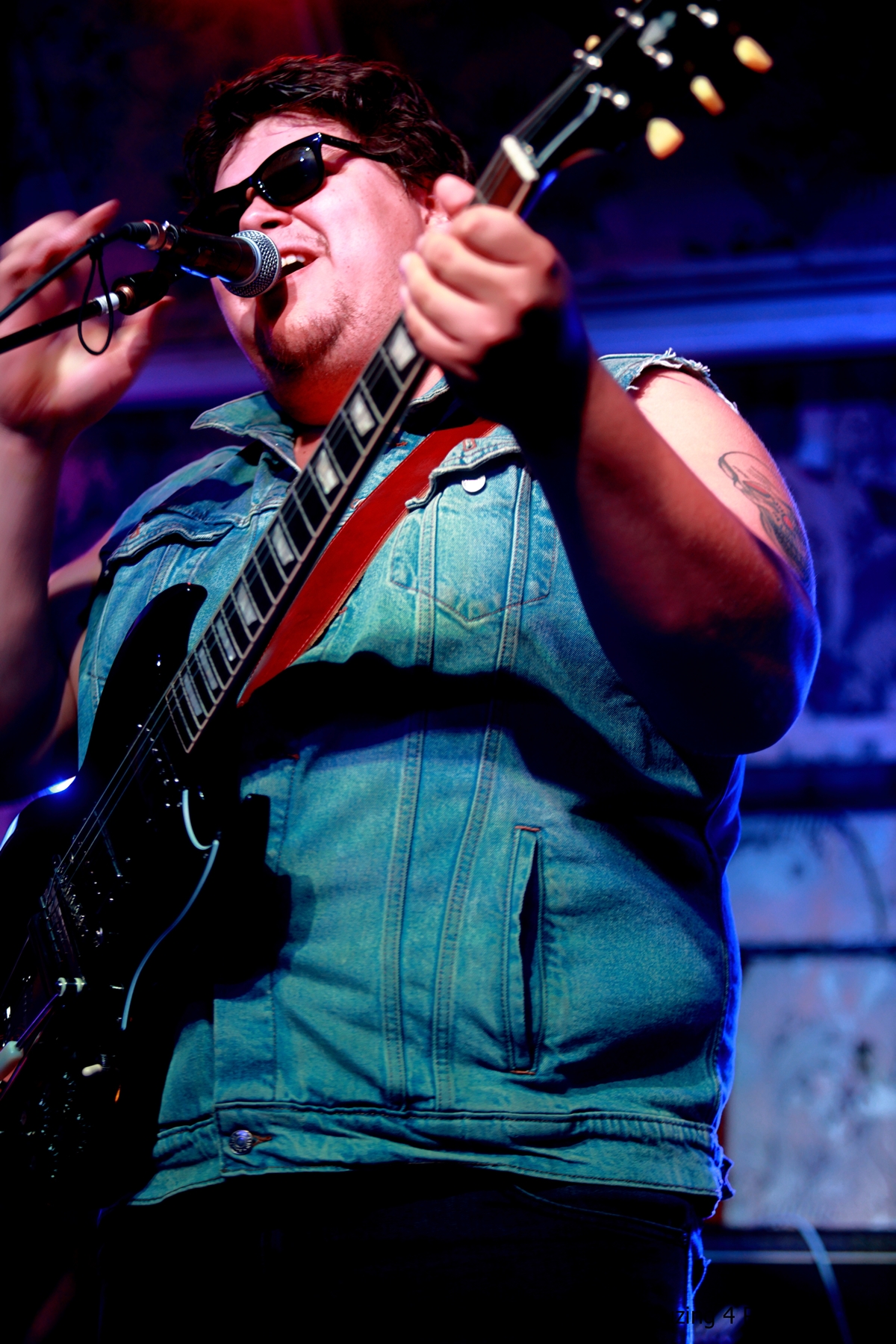
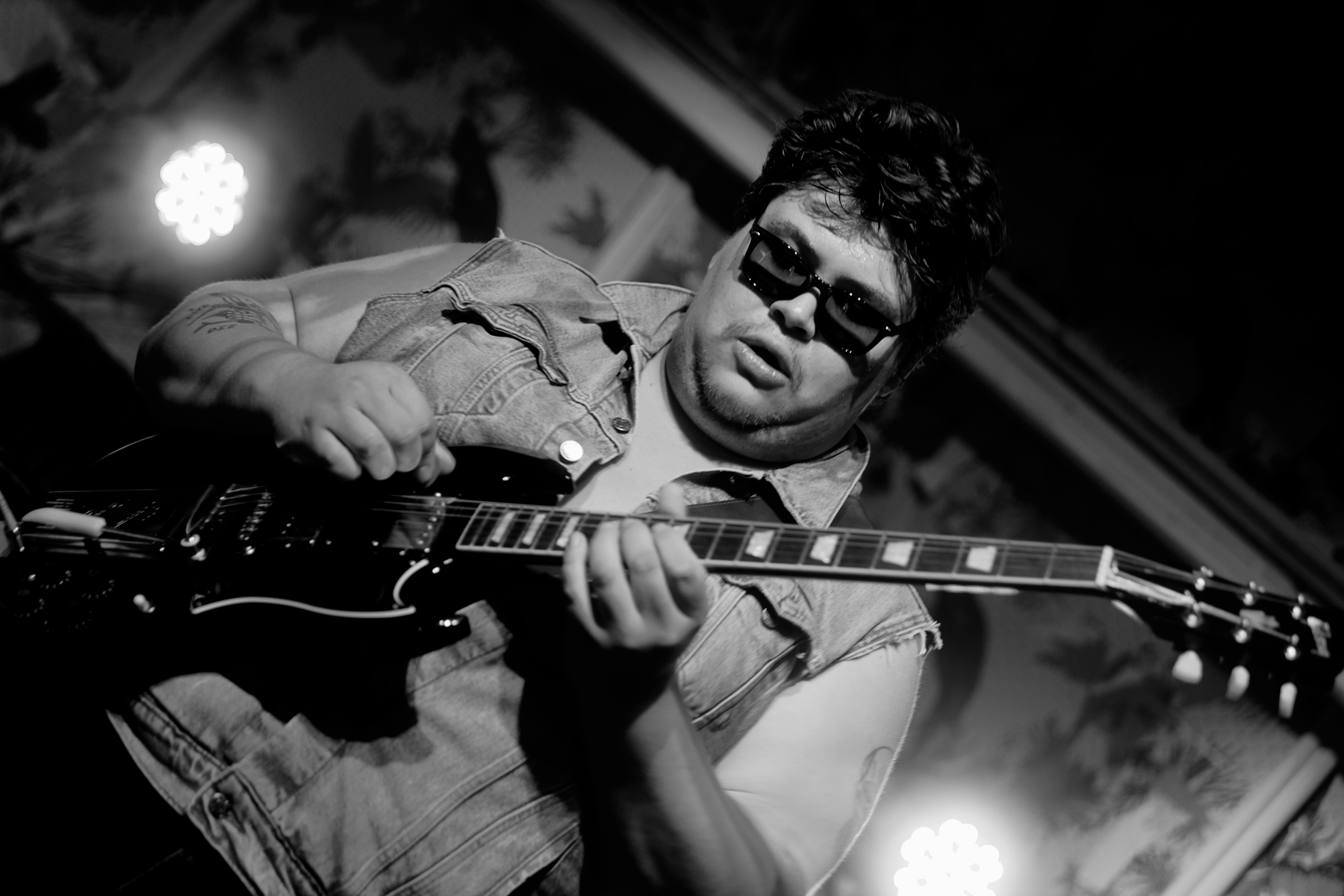
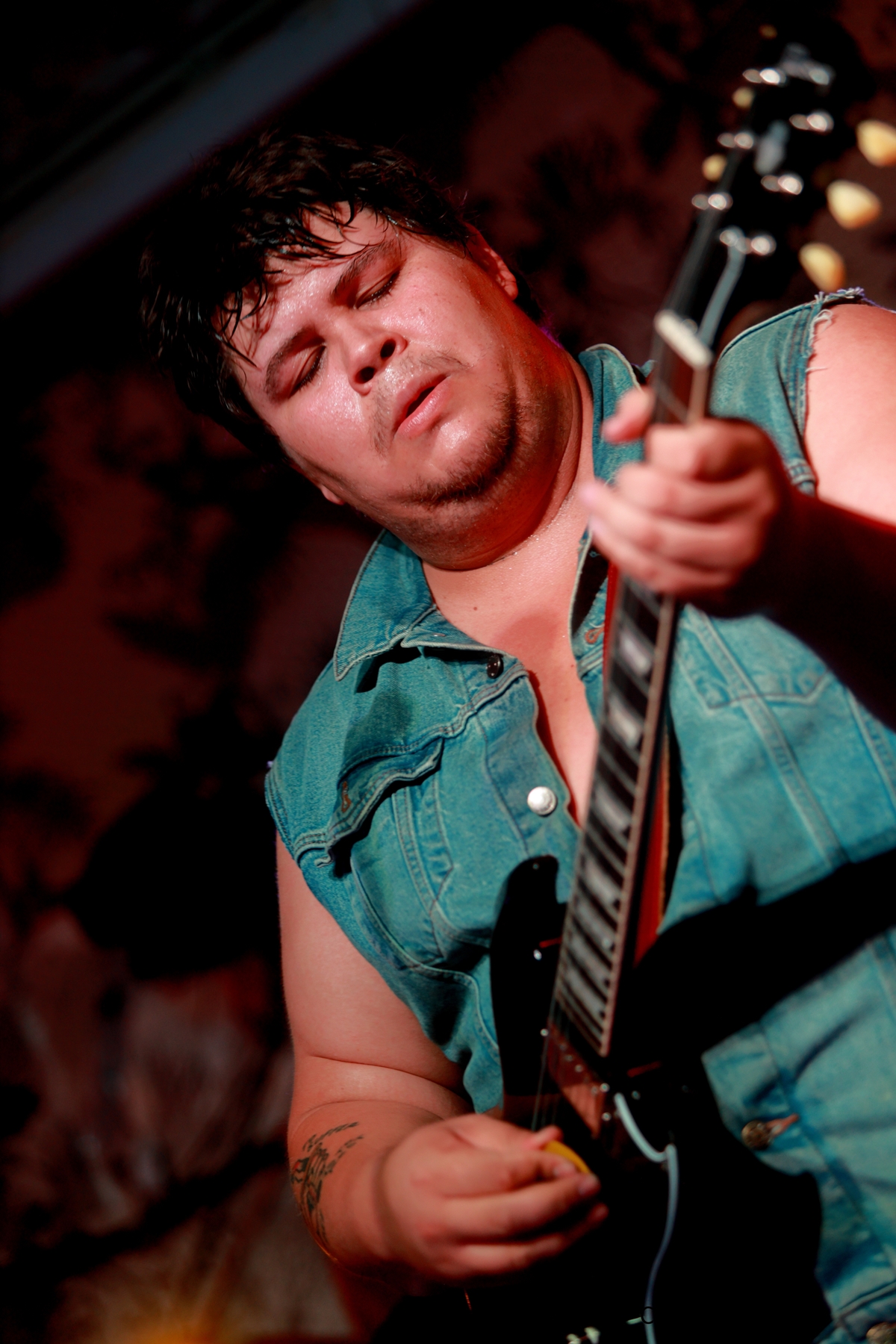
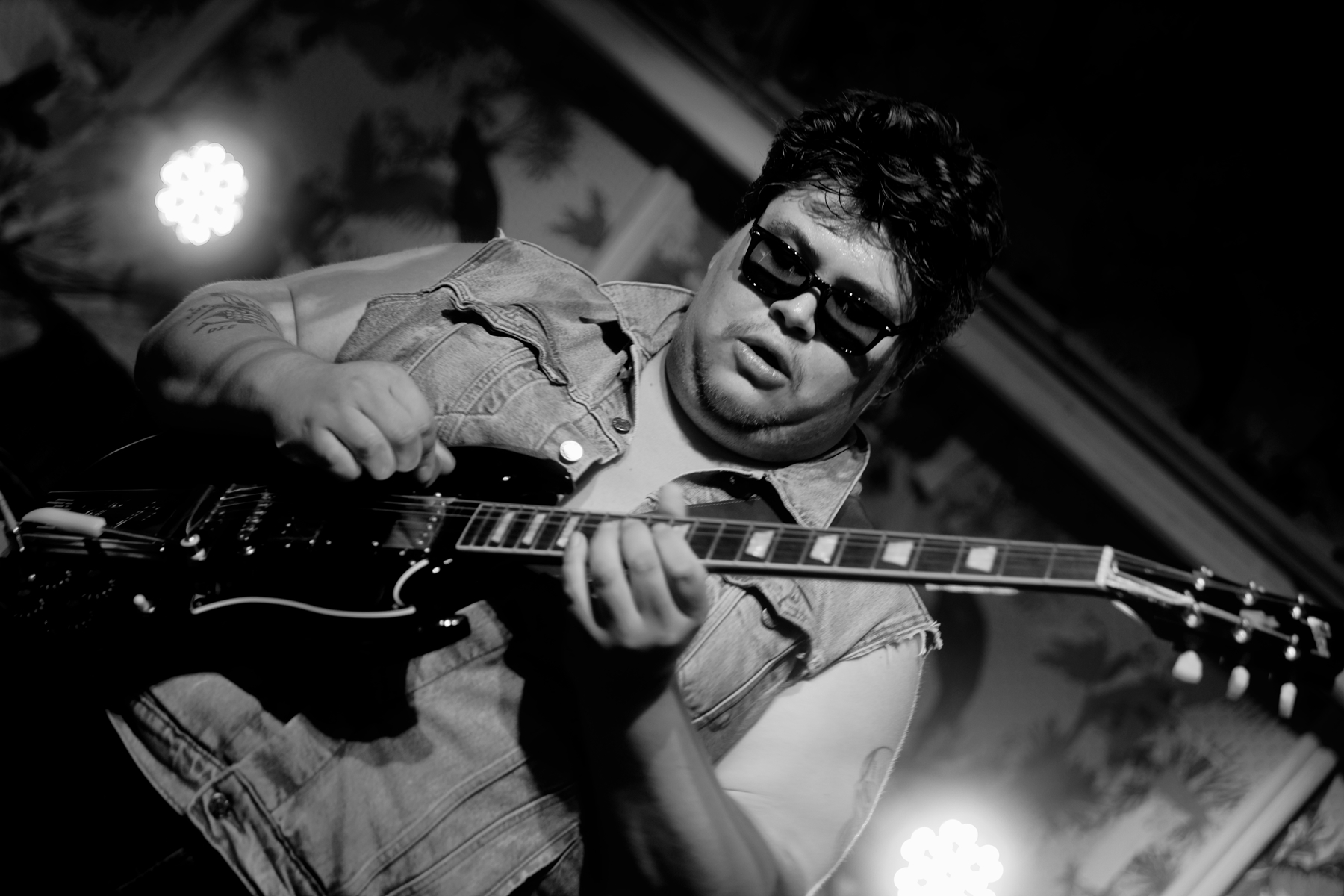
Before Ally took to the stage, the crowd were treated to a set from Garret T. Willie, and what a way it was to start the evening. Support slots can be a thankless task. You’re often playing to an audience that’s finding its place in the room, making its first trip to the bar or simply waiting for the headline act they’ve come to see, but Garret quickly made sure people were paying attention. Bringing a blend of blues, rock and roots influences to the stage, he delivered a performance full of honesty and conviction. There were no gimmicks or tricks. Just a musician doing what musicians are supposed to do. Walking onto a stage and winning people over through the quality of their music.
One of the things I enjoy most about smaller venues is watching that exact process unfold. You can almost pinpoint the moment because the conversations begin to quieten, heads start turning toward the stage and people who may never have heard the artist before suddenly find themselves paying full attention. Garret managed exactly that, and by the time he stepped off stage, he’d done precisely what every good support act hopes to achieve. He’d not only left people wanting to hear more, but more importantly, he’d helped build the atmosphere for what was to come.

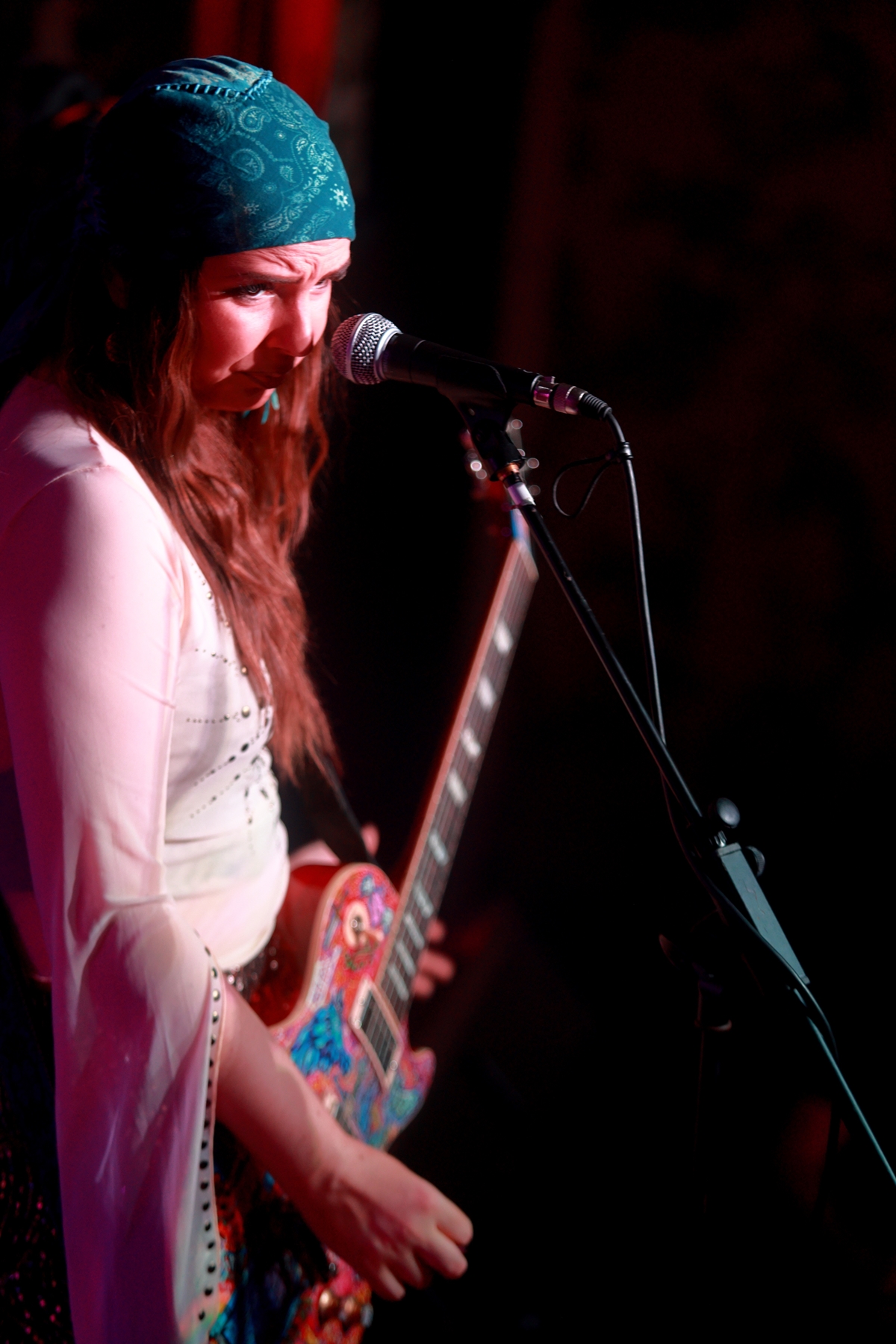
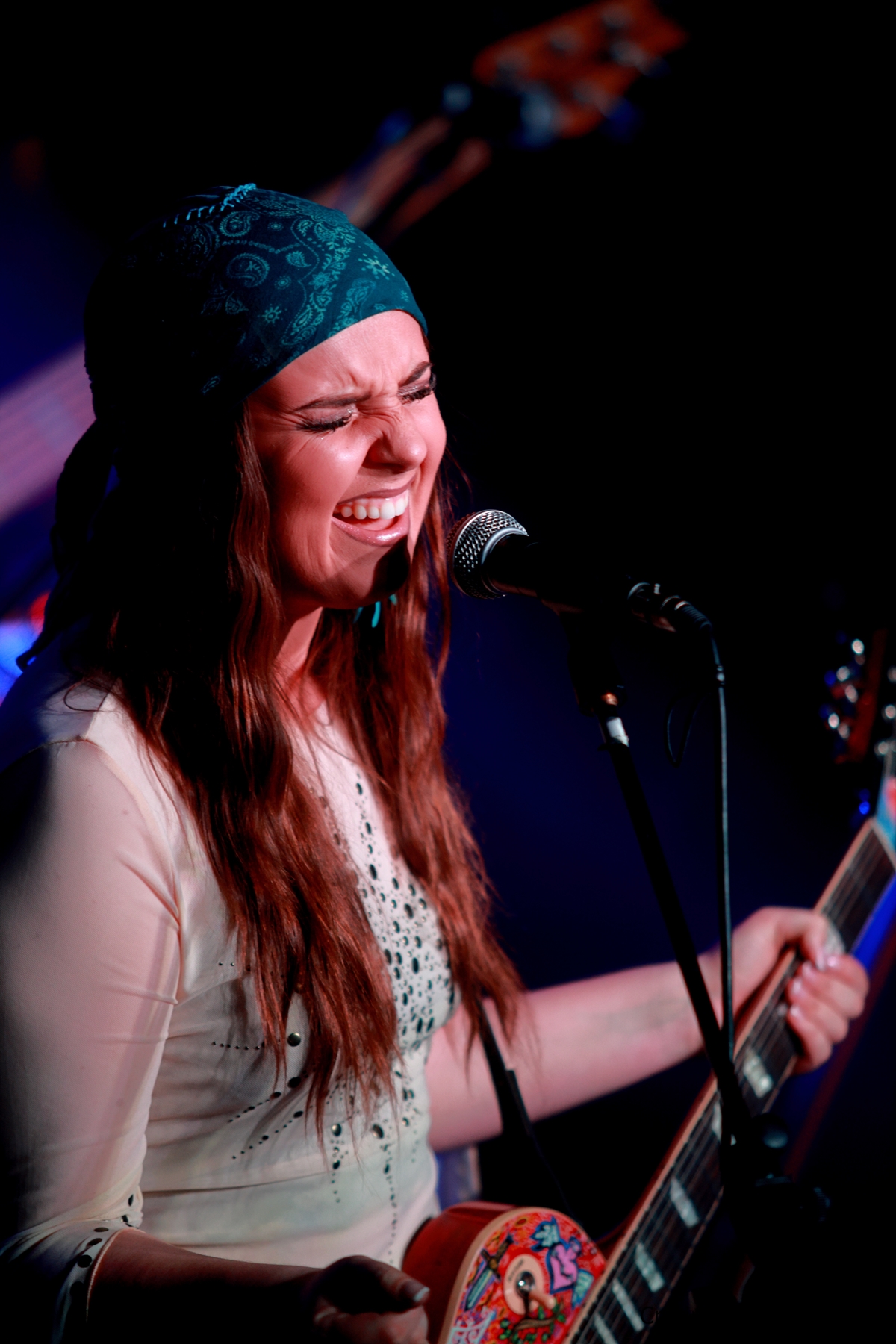
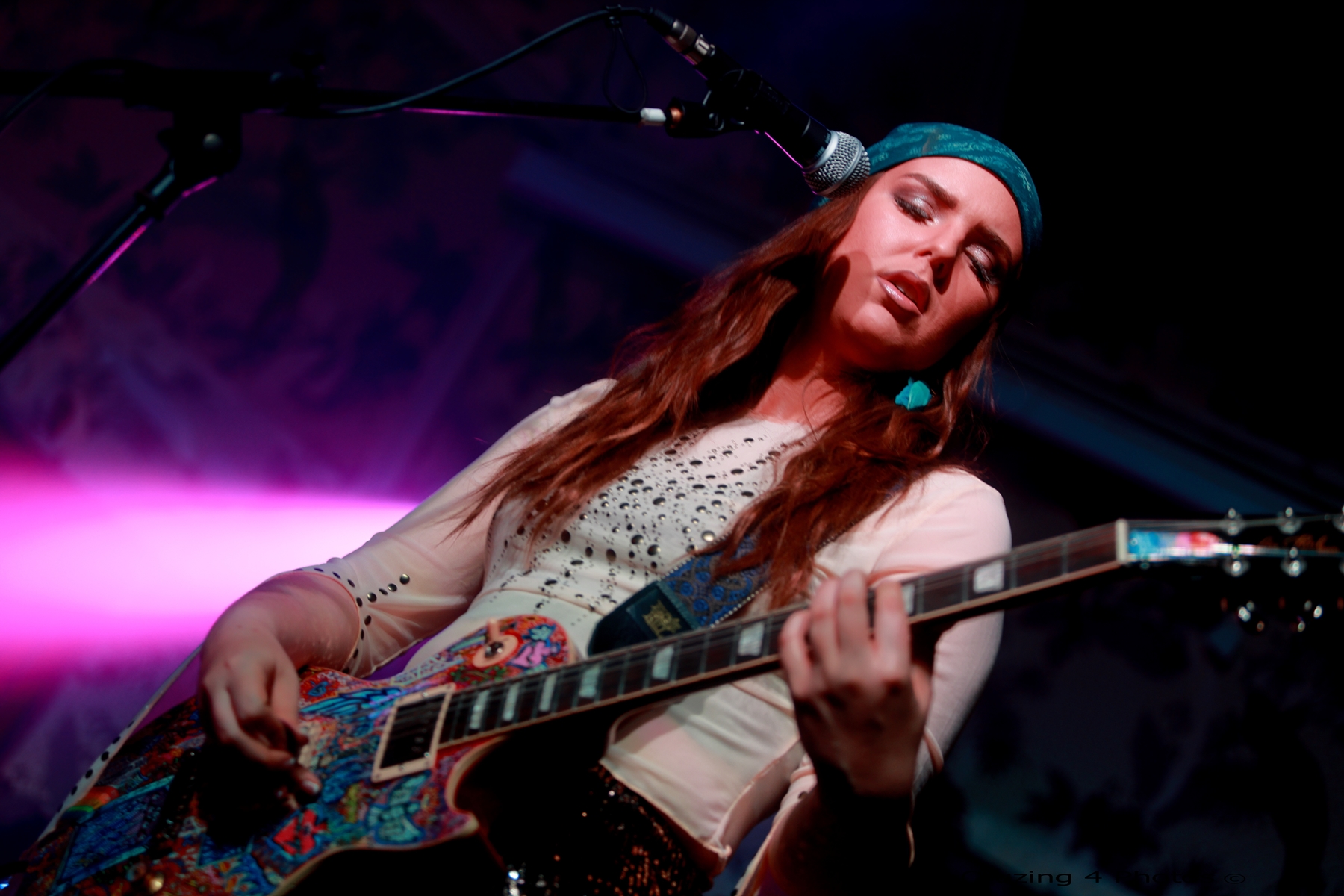
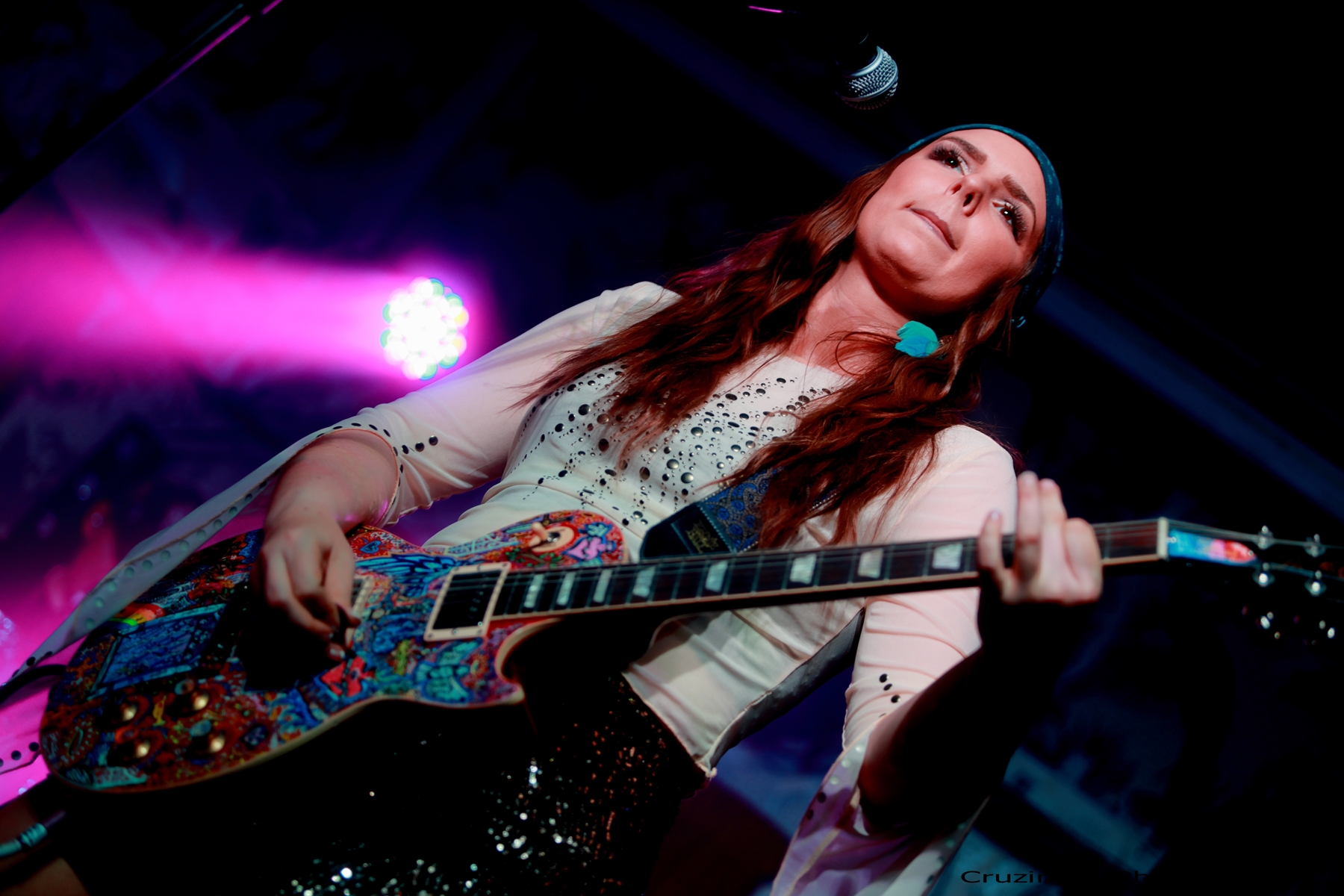
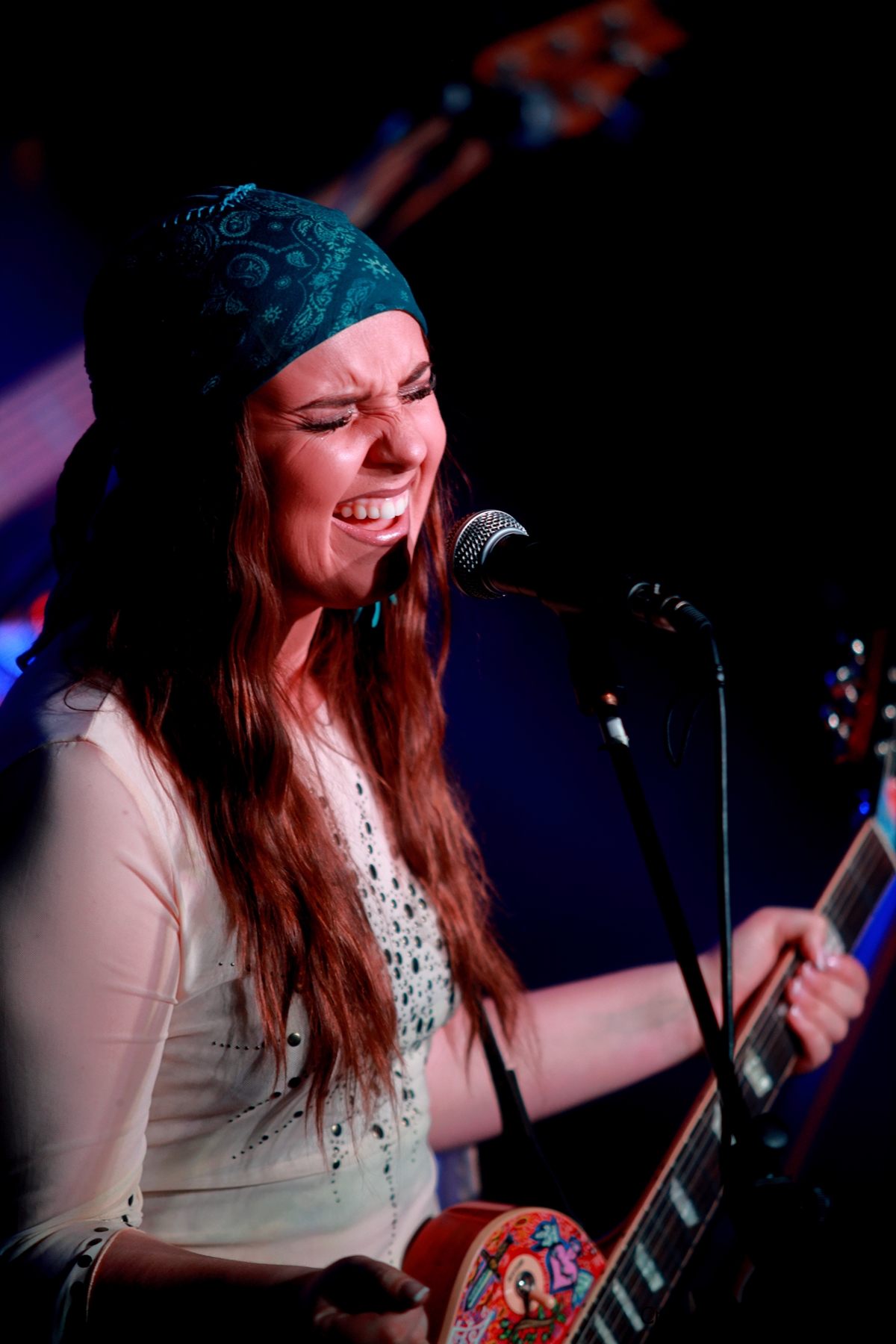
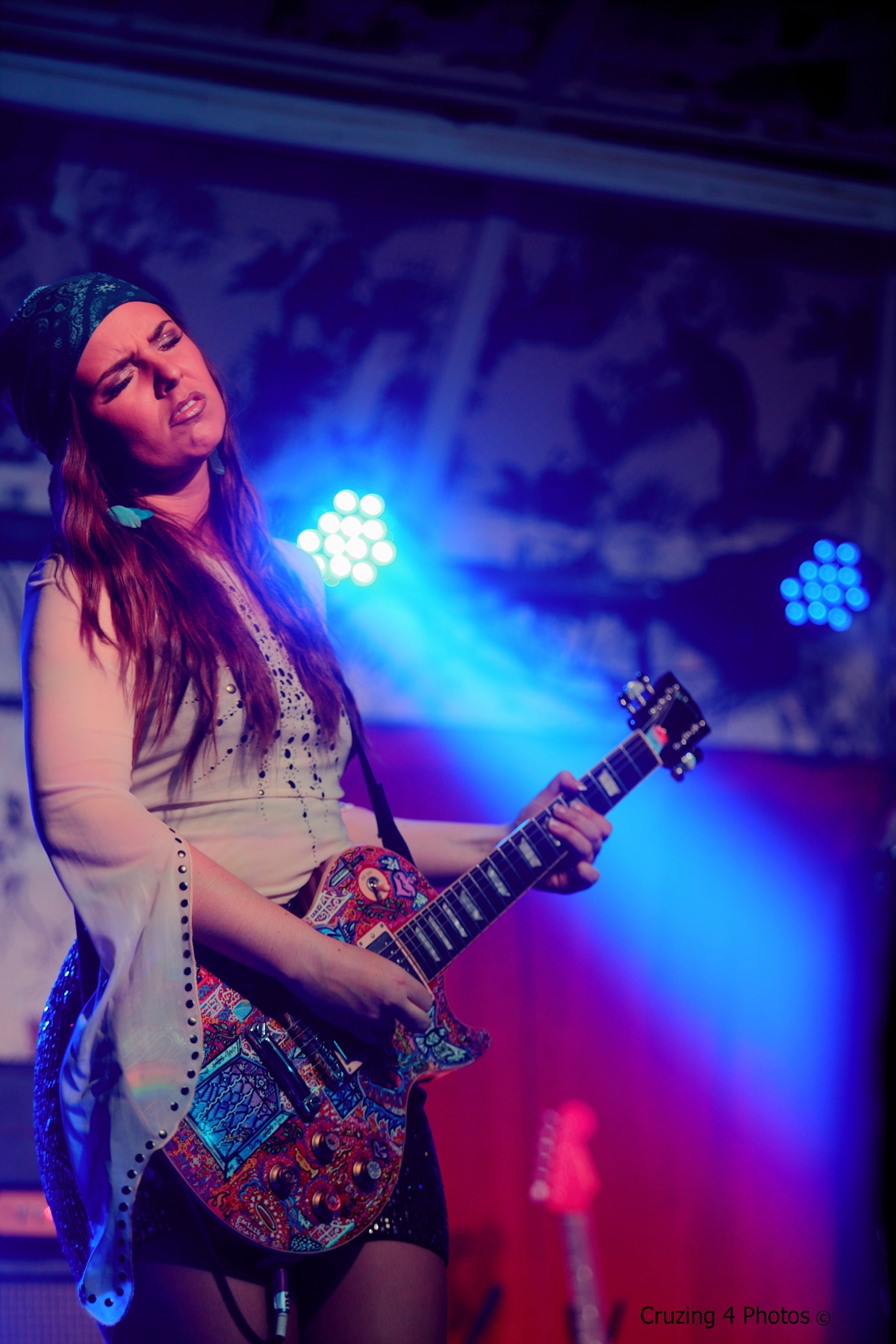
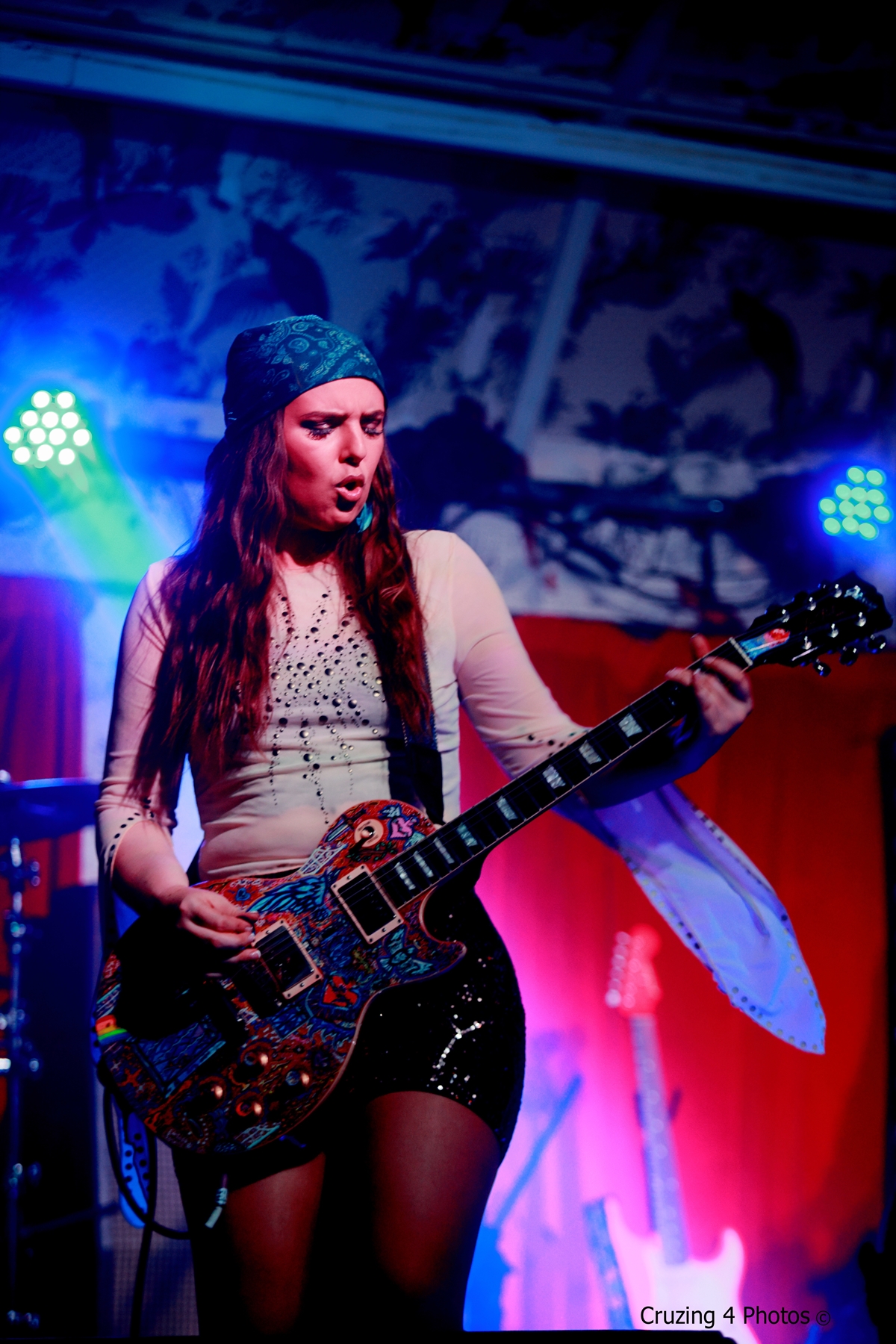
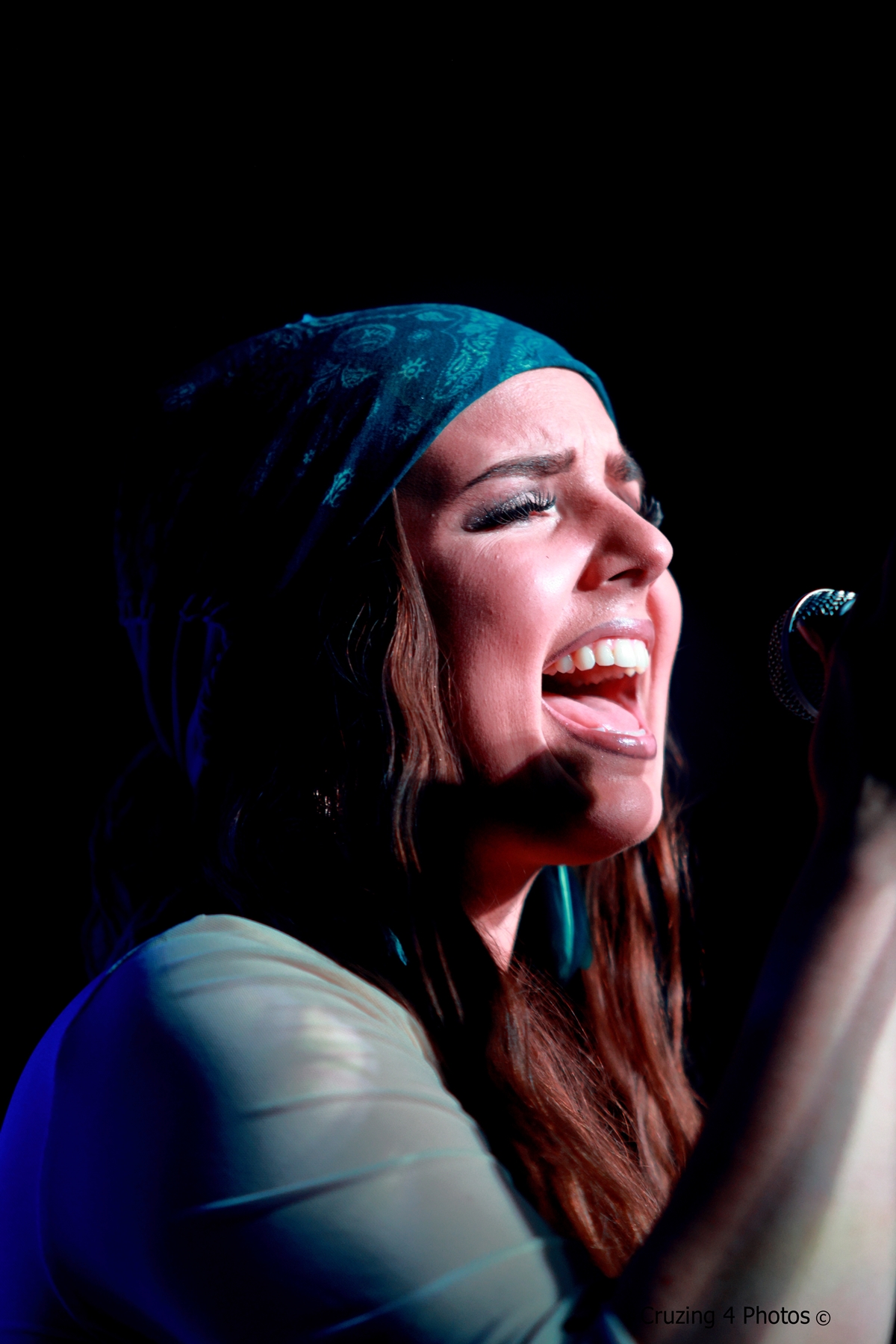
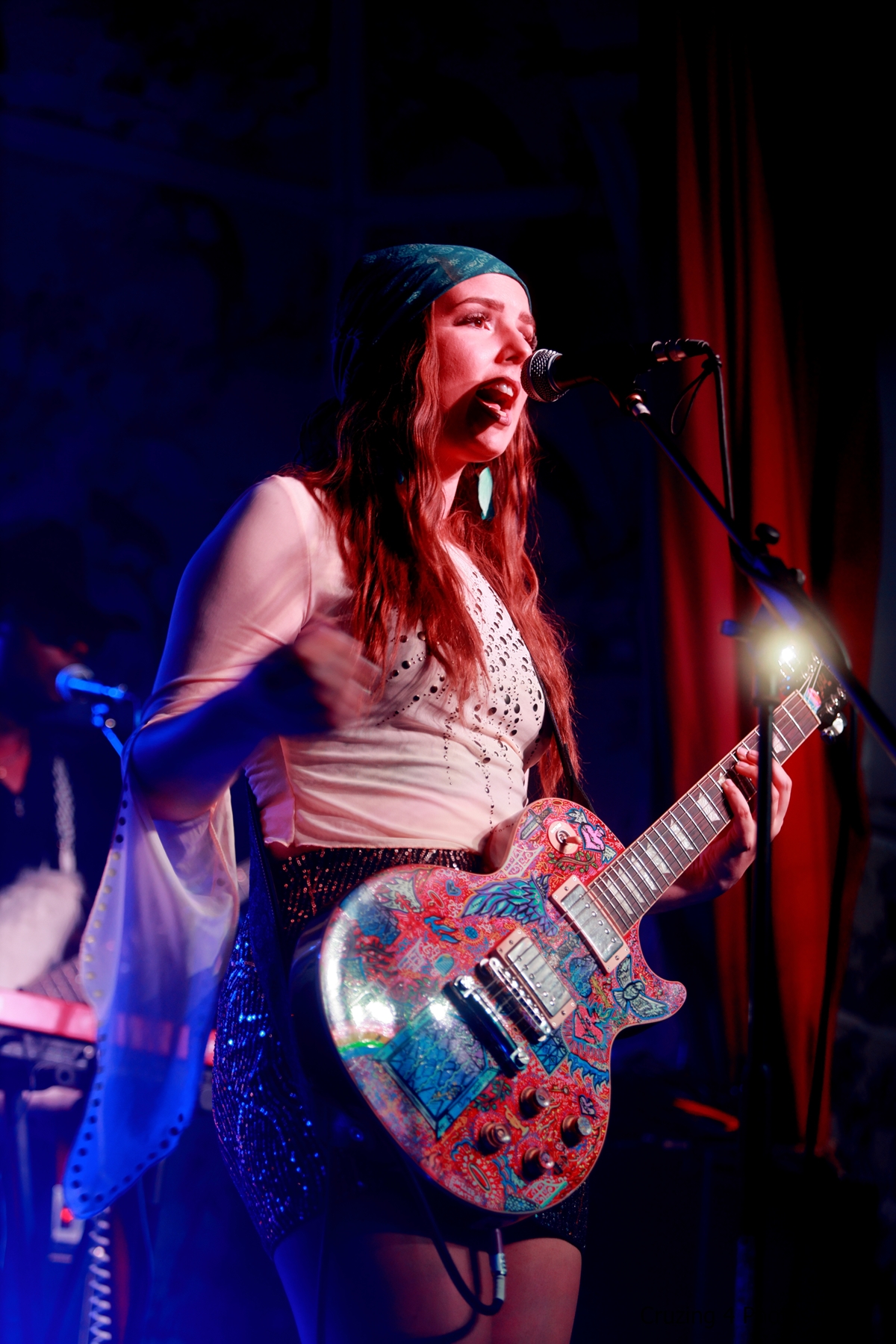
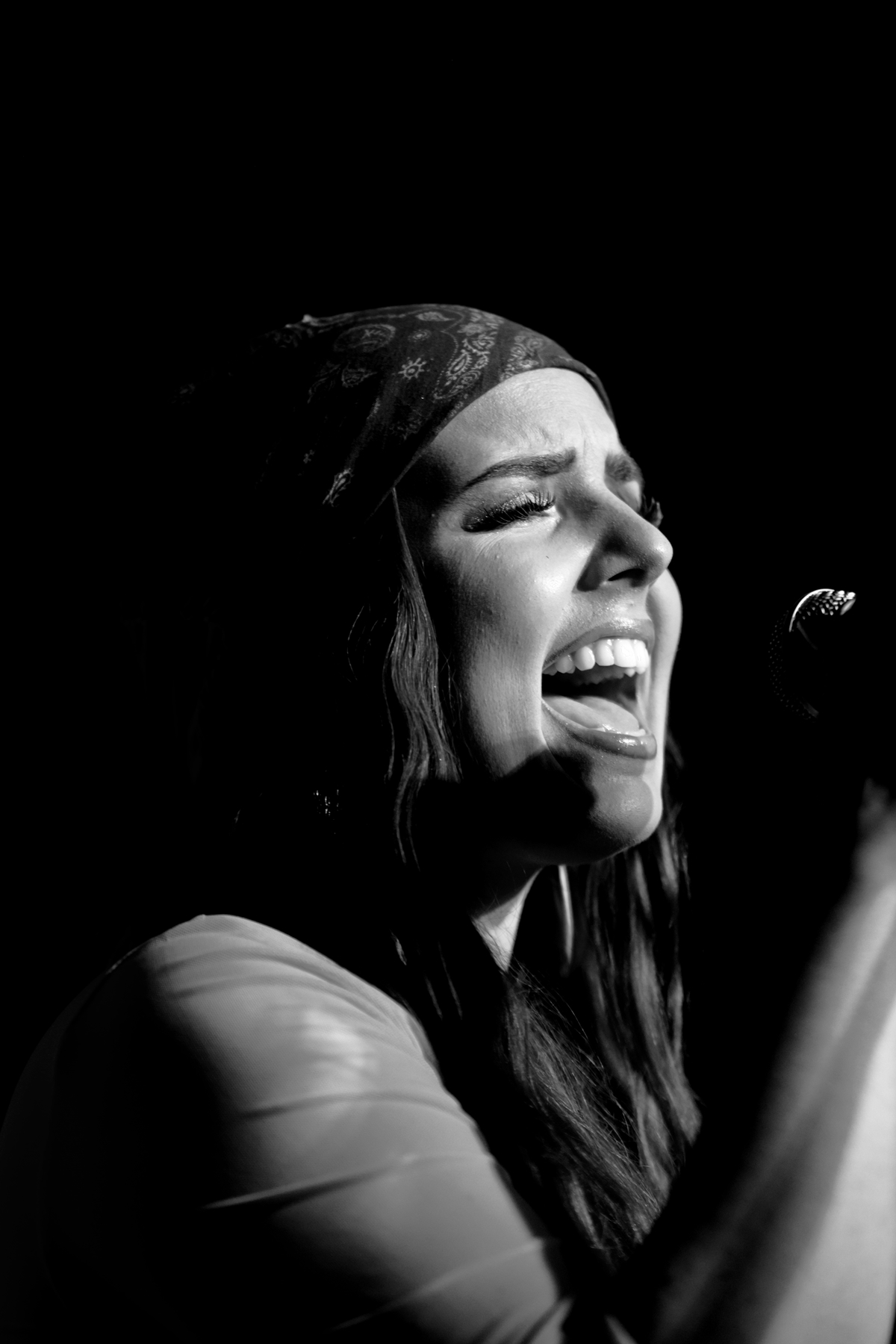
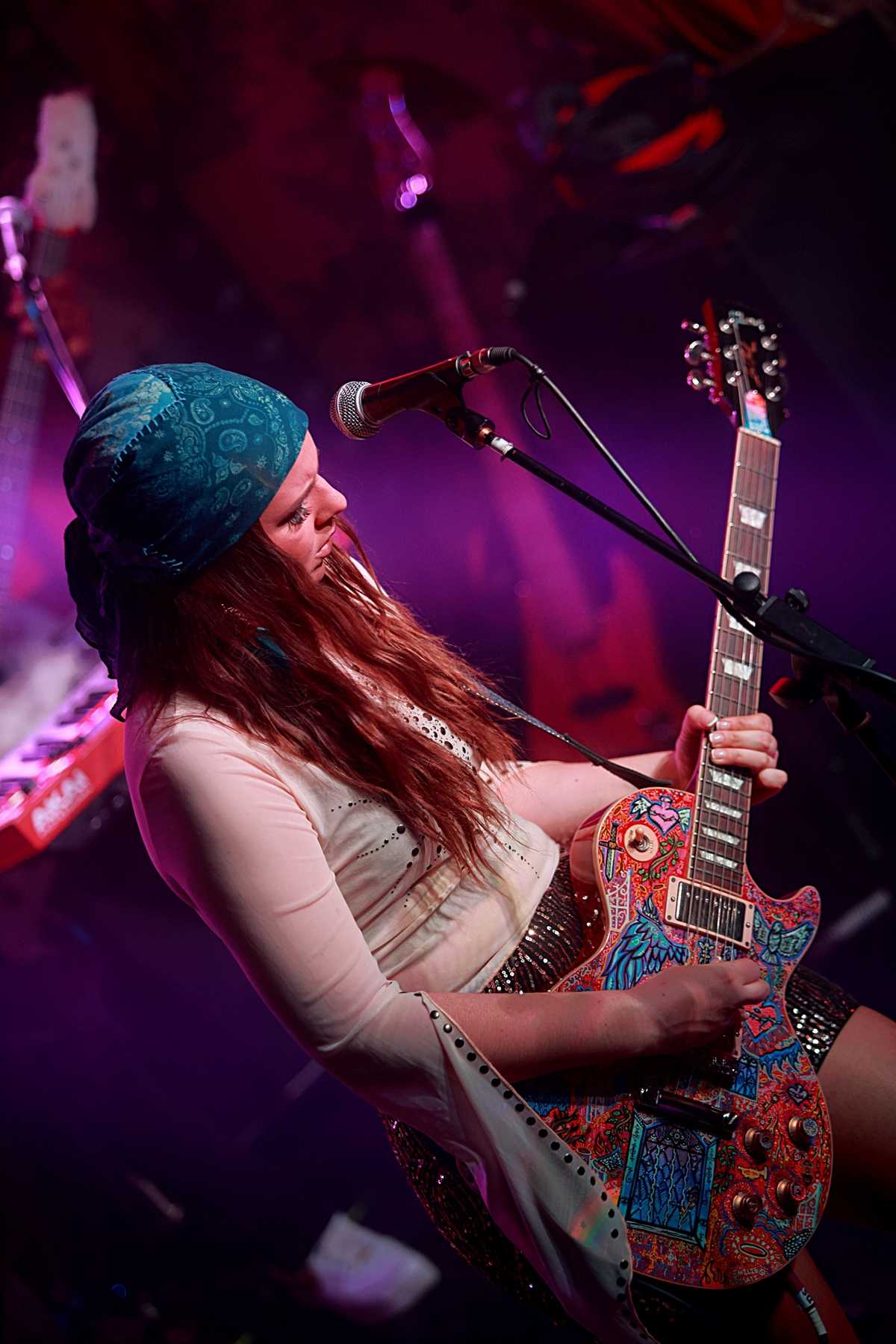
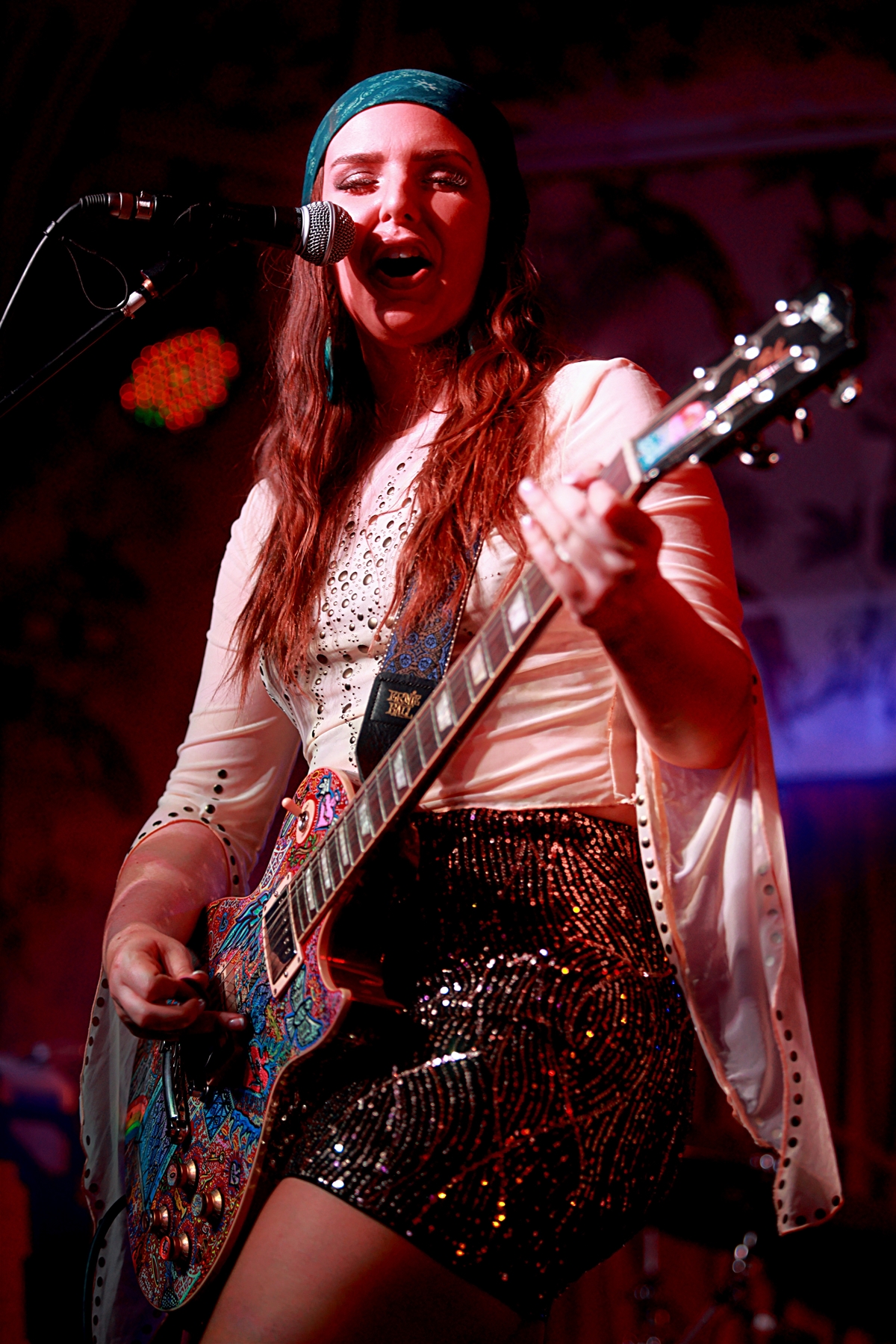
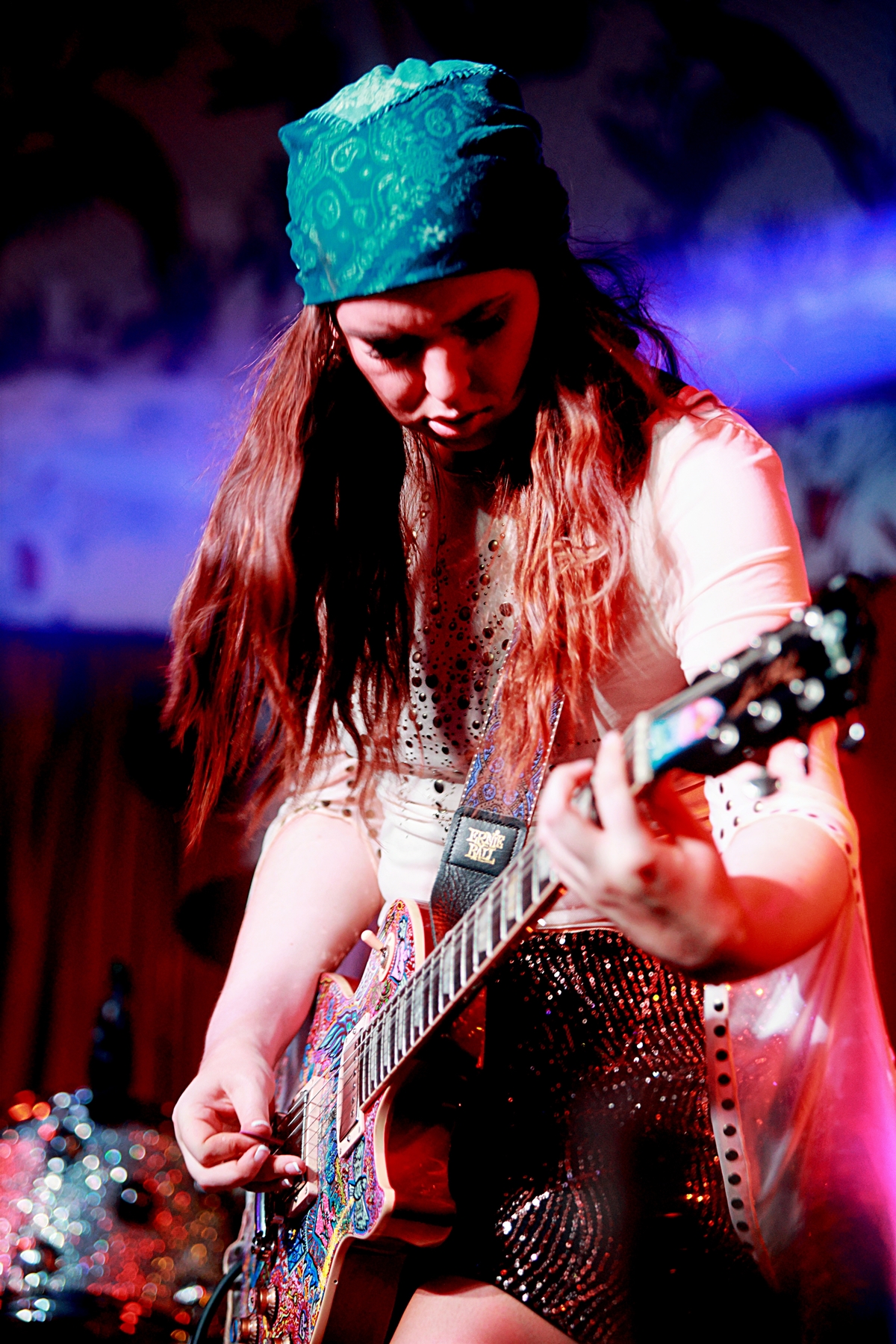
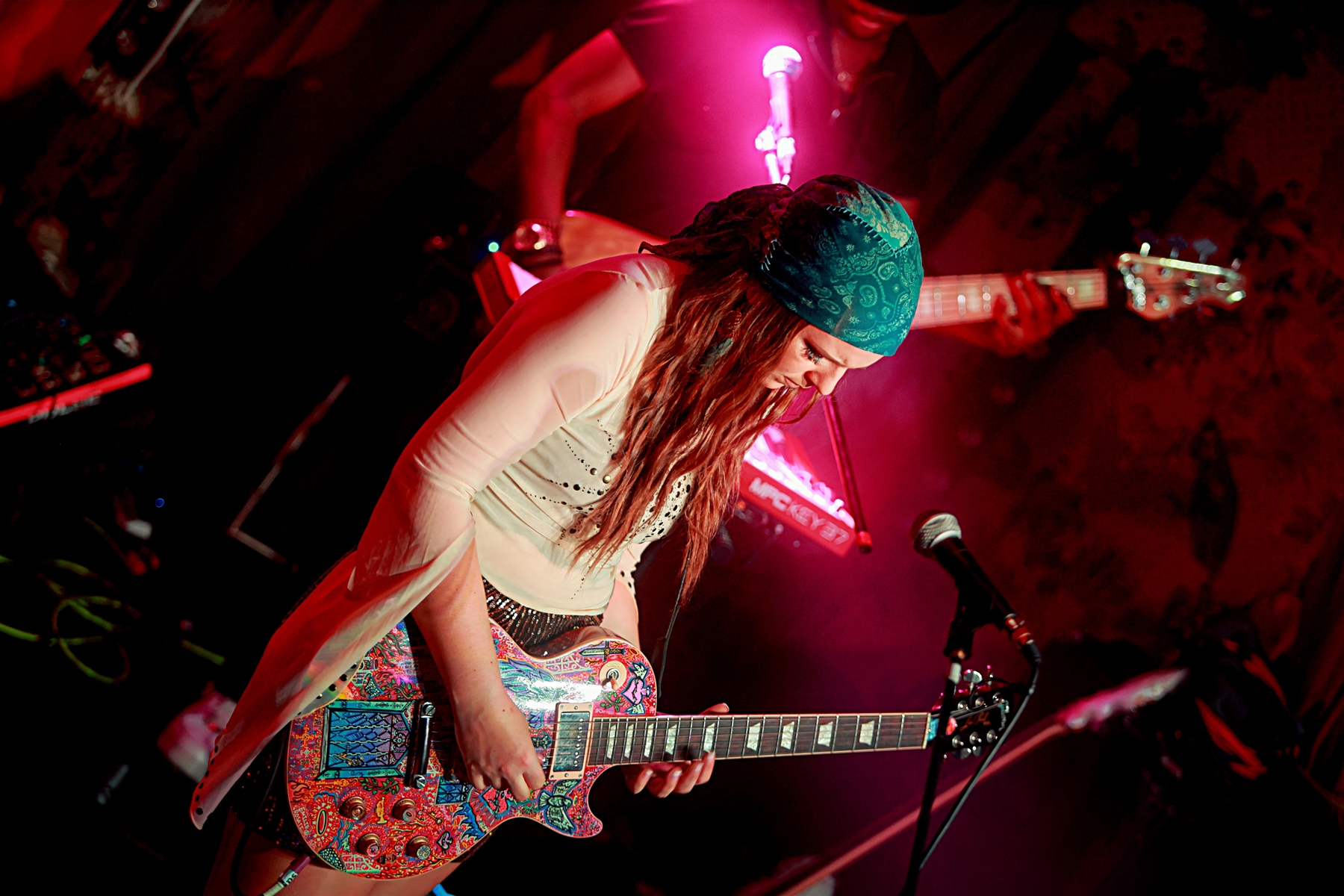
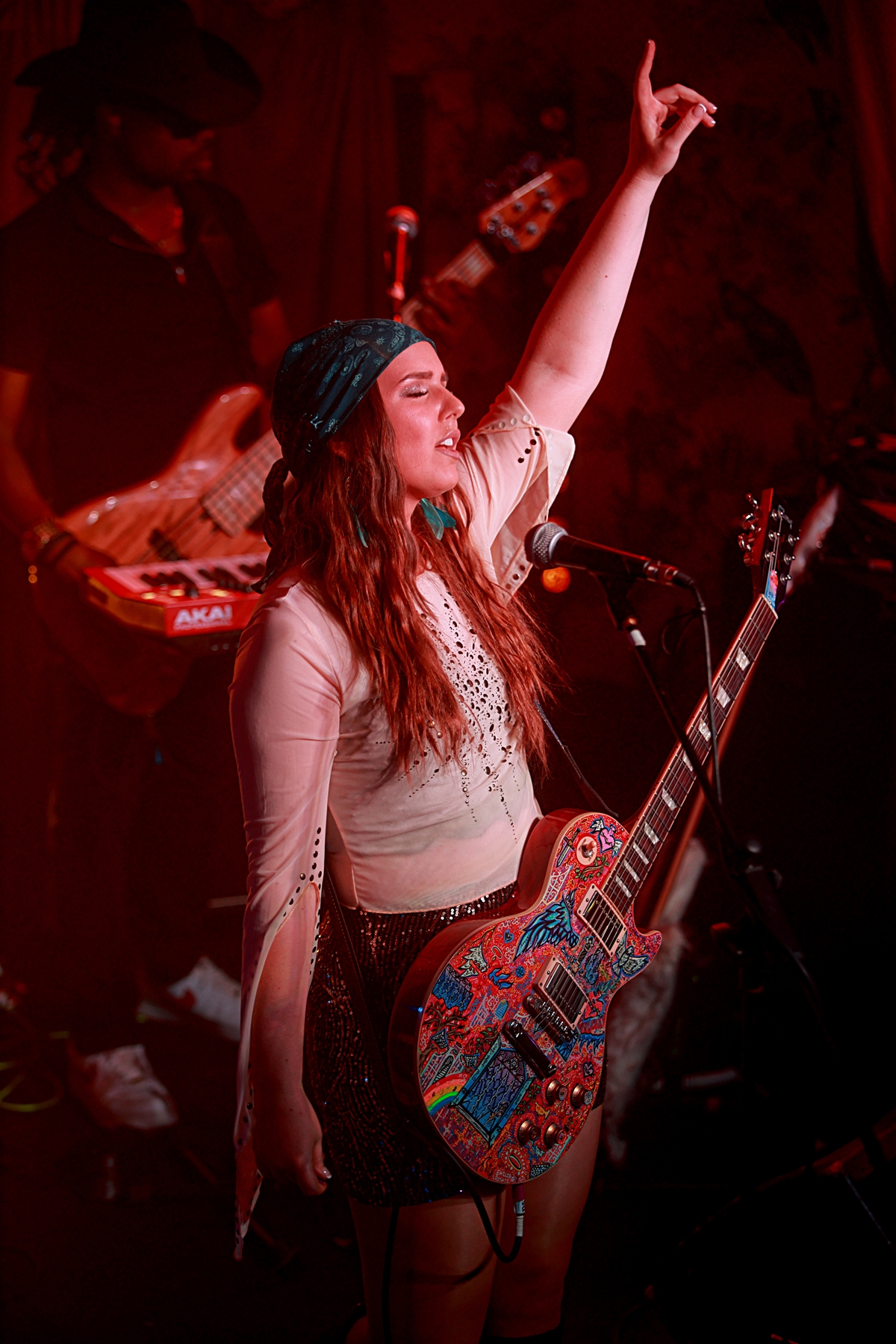
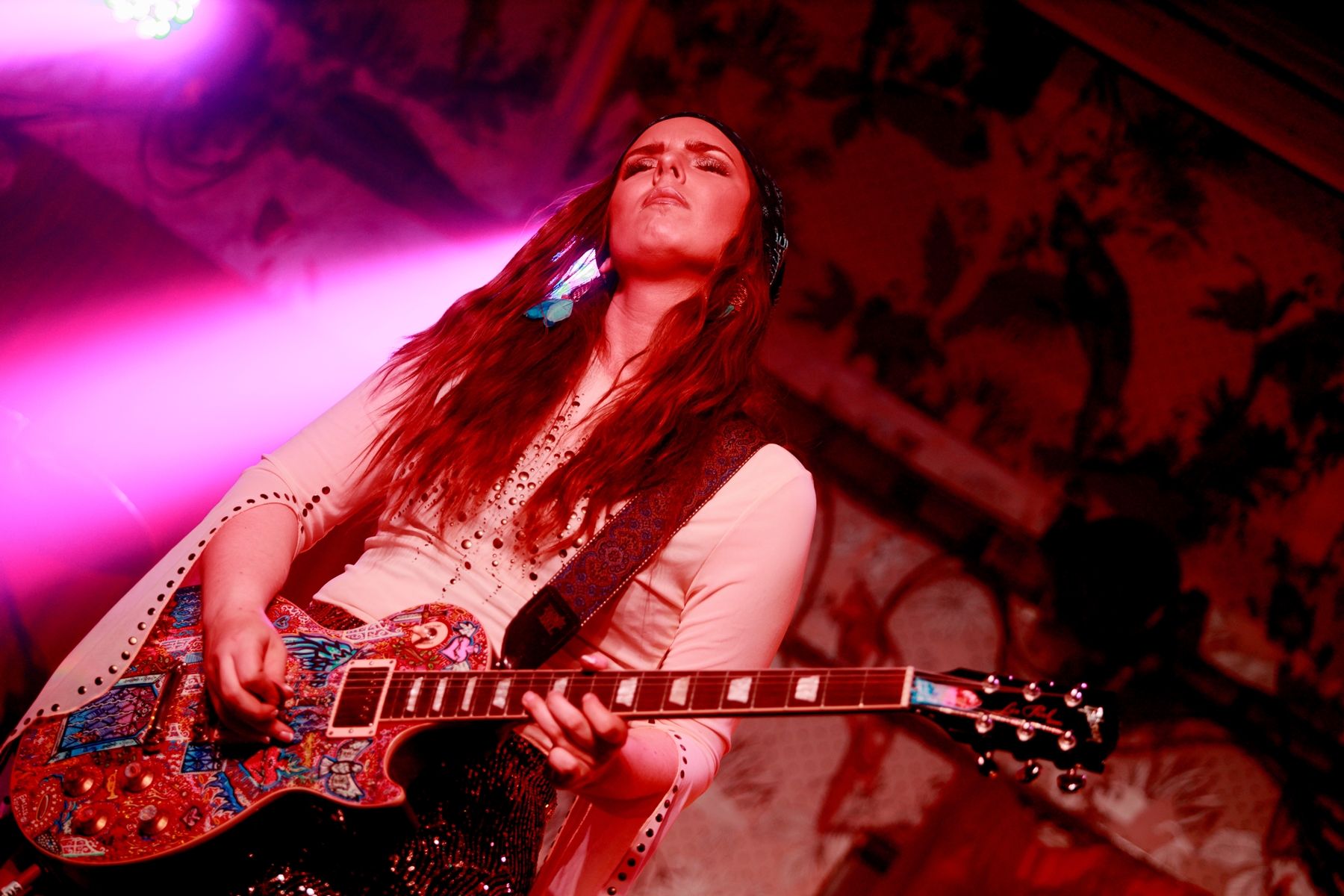
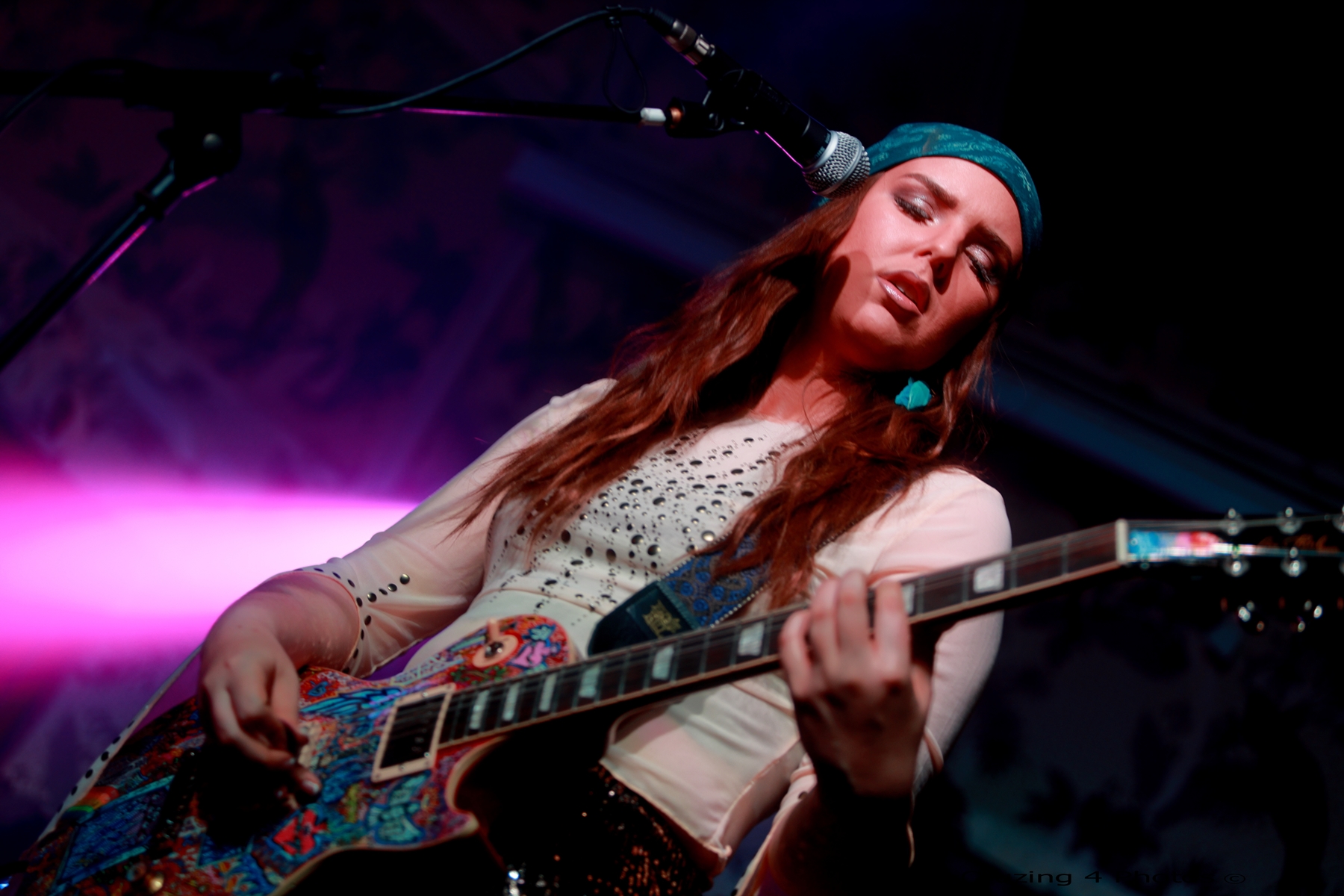
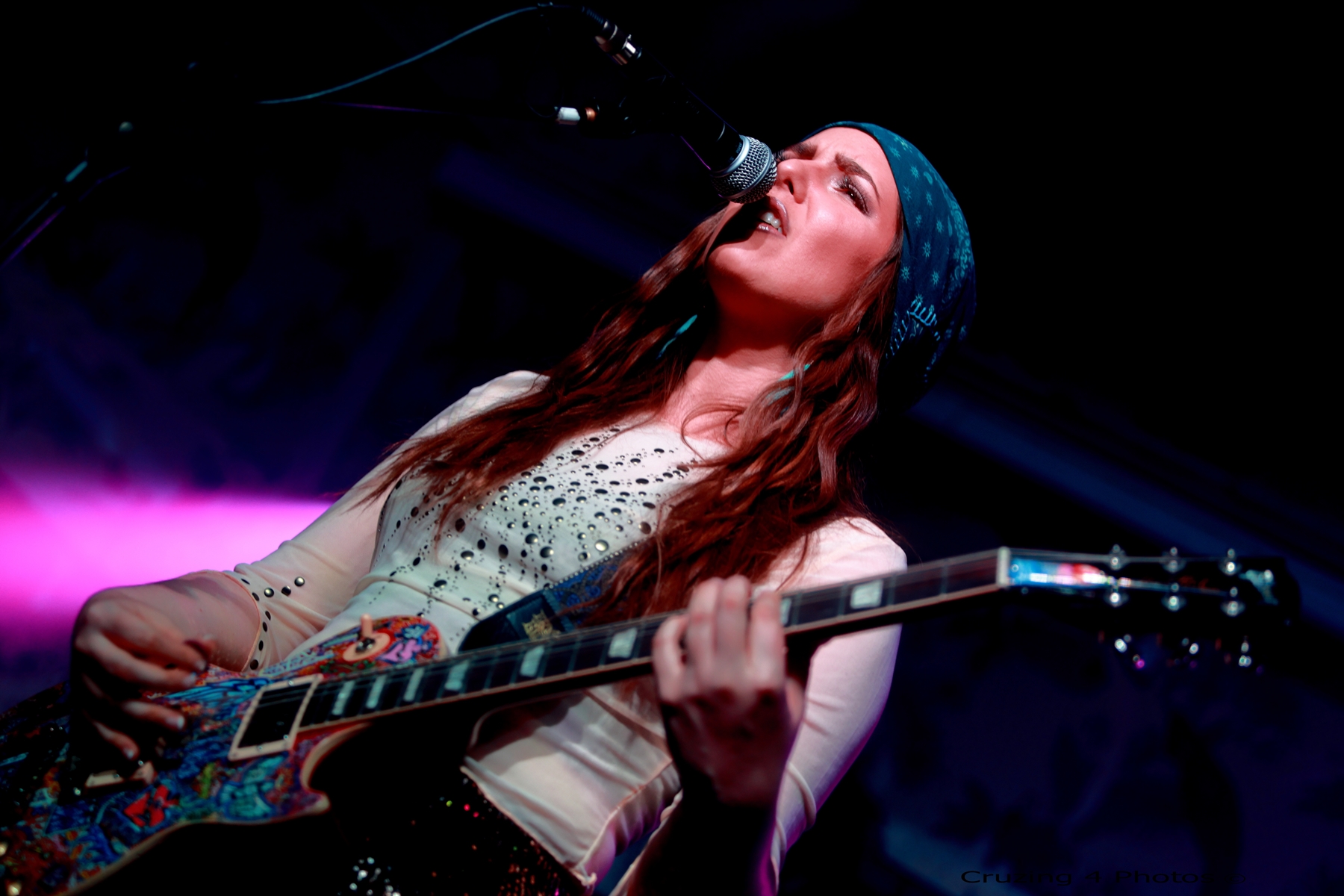
I’d never seen Ally Venable live previously, having missed her appearance at Manchester’s Night & Day Cafe the previous year. Ahead of the show I’d watched a handful of fan recorded live videos online, expecting to be impressed primarily by her reputation as one of the most exciting young blues rock guitarists around. Seeing her live, though, what struck me wasn’t the guitar playing, but everything else. The guitar work was every bit as accomplished as expected, packed with fiery solos, precision and more than enough flair to satisfy the blues rock faithful. What I hadn’t anticipated was the sheer presence she brought to the stage. Her vocals carried far more power and personality than I’d expected from the fan recorded clips I’d watched beforehand, giving the songs an extra dimension that simply doesn’t come across through a phone microphone. Instead, the entire set flowed naturally from start to finish. Before long, I realised I wasn’t paying attention to what song was next. I was simply enjoying the ride. We’ve all been to gigs where fantastic musicians somehow fail to connect the dots. You know the ones. The songs might be great, yet somehow the overall show never quite comes together. Ally made the whole thing look effortless.
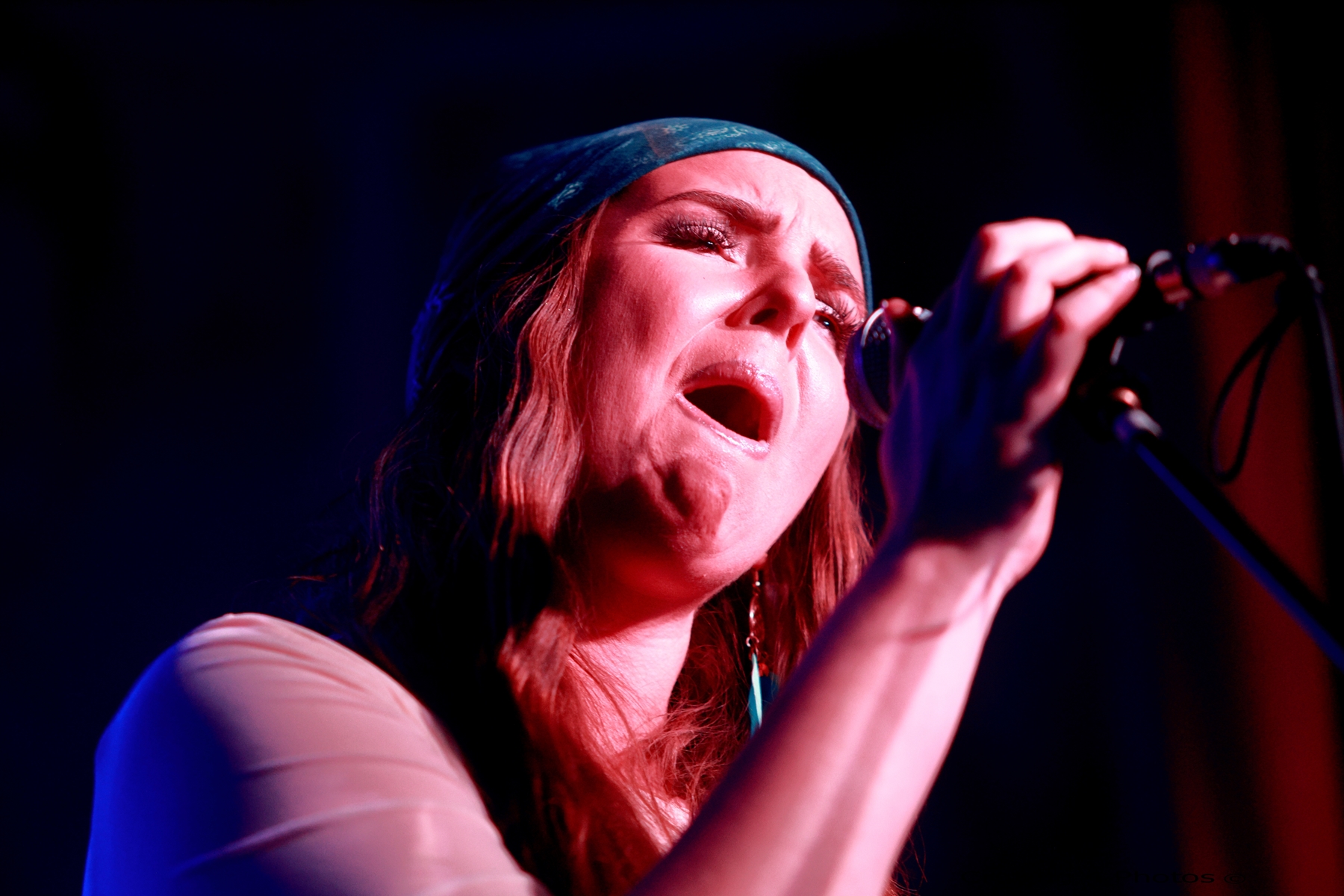
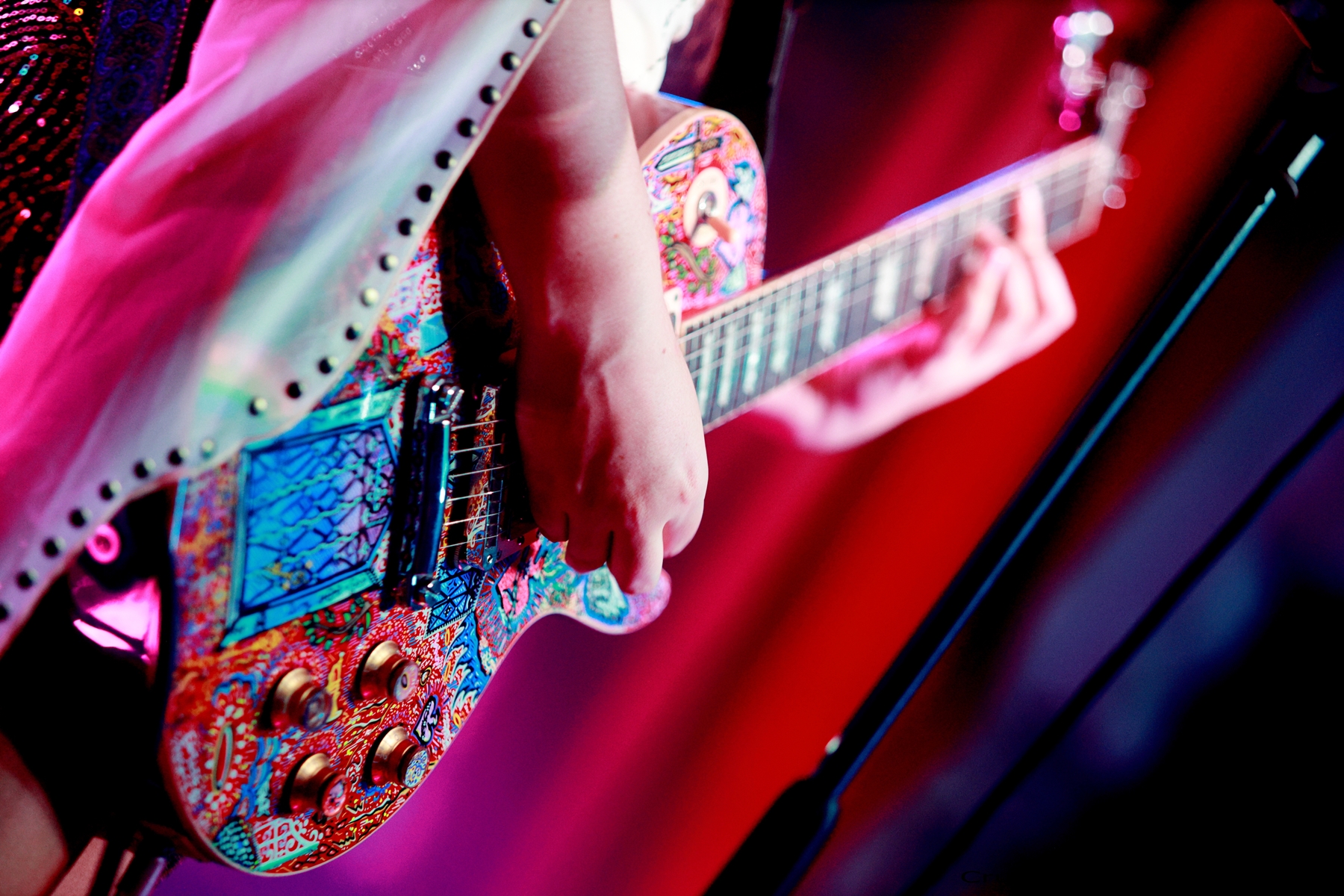
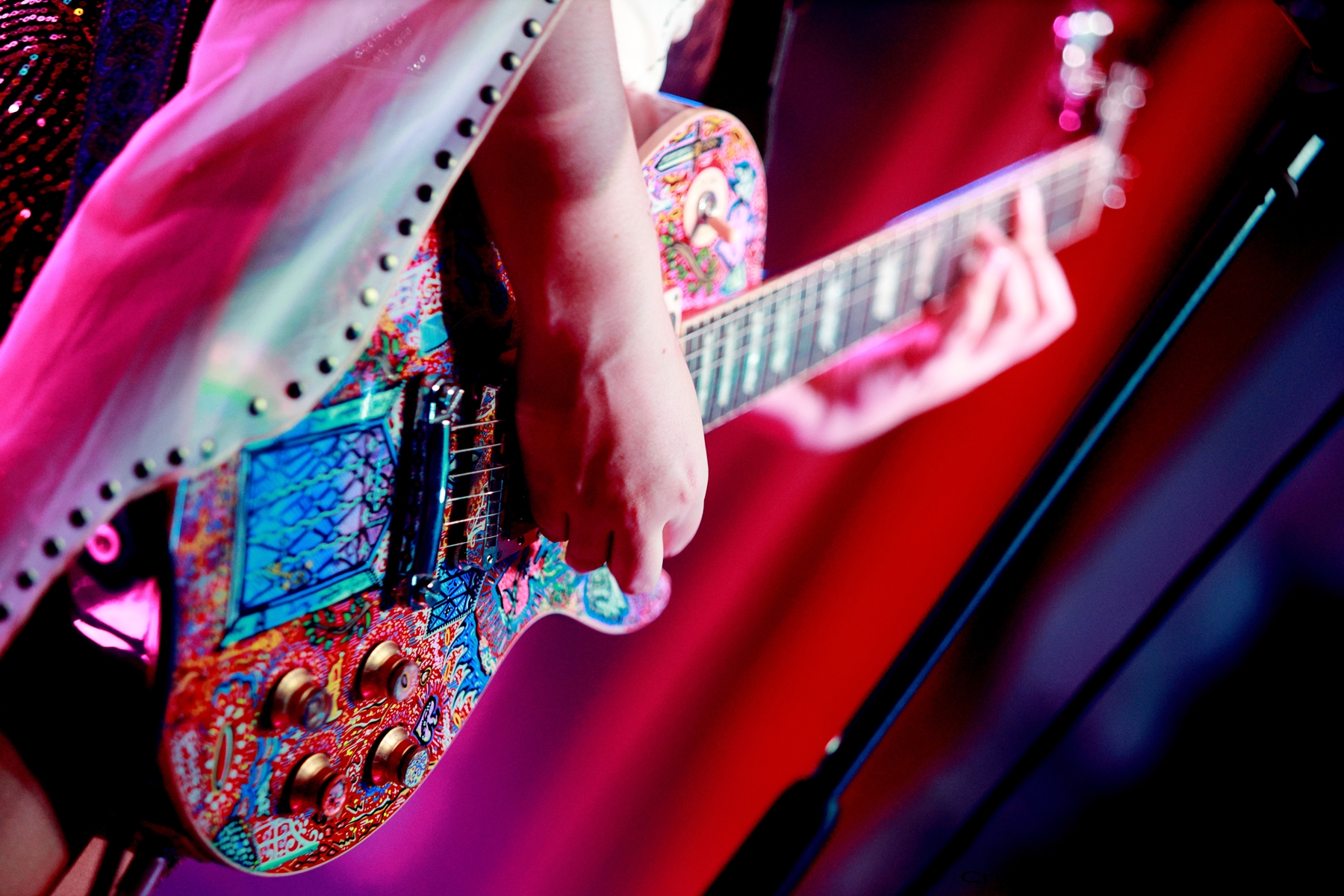
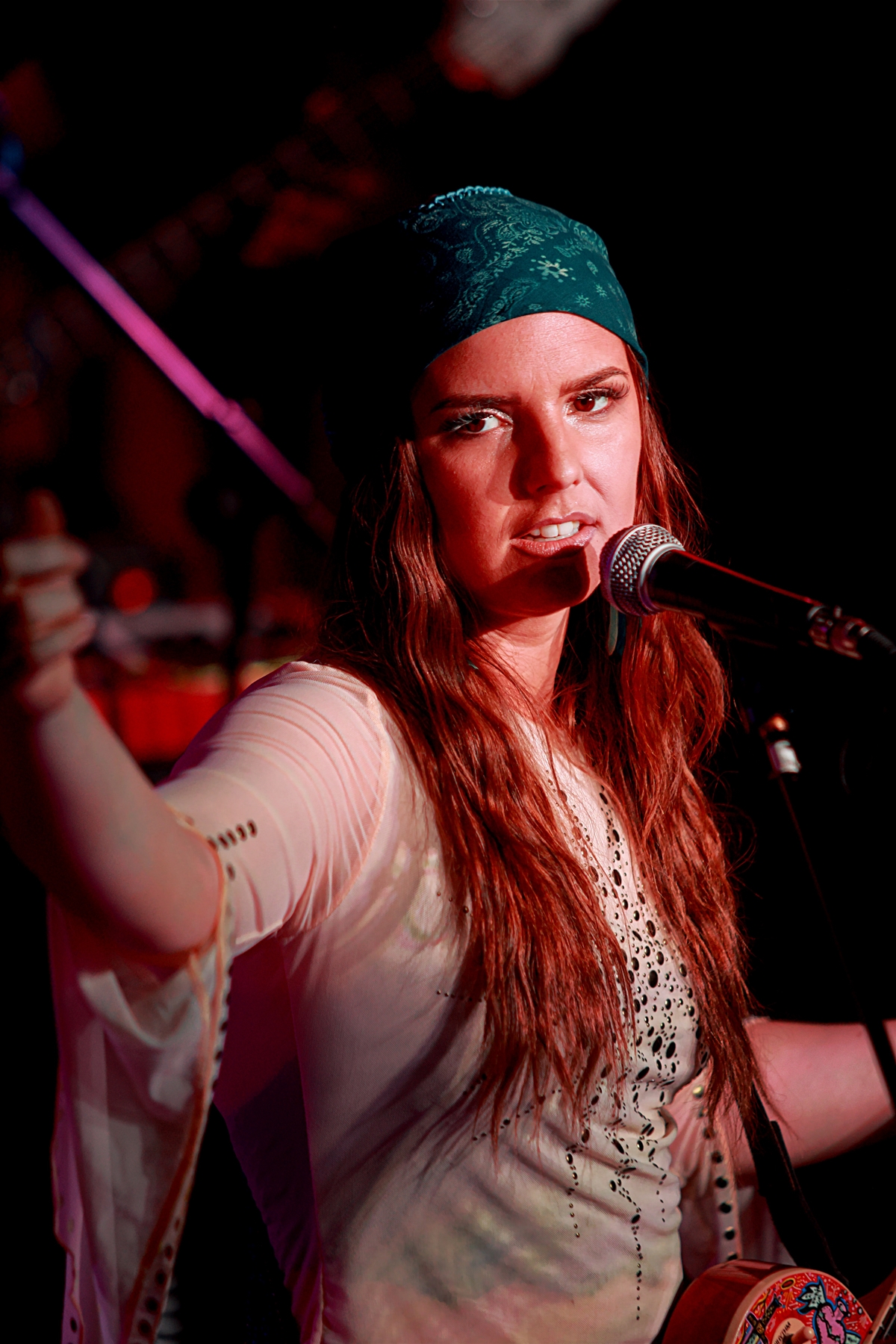
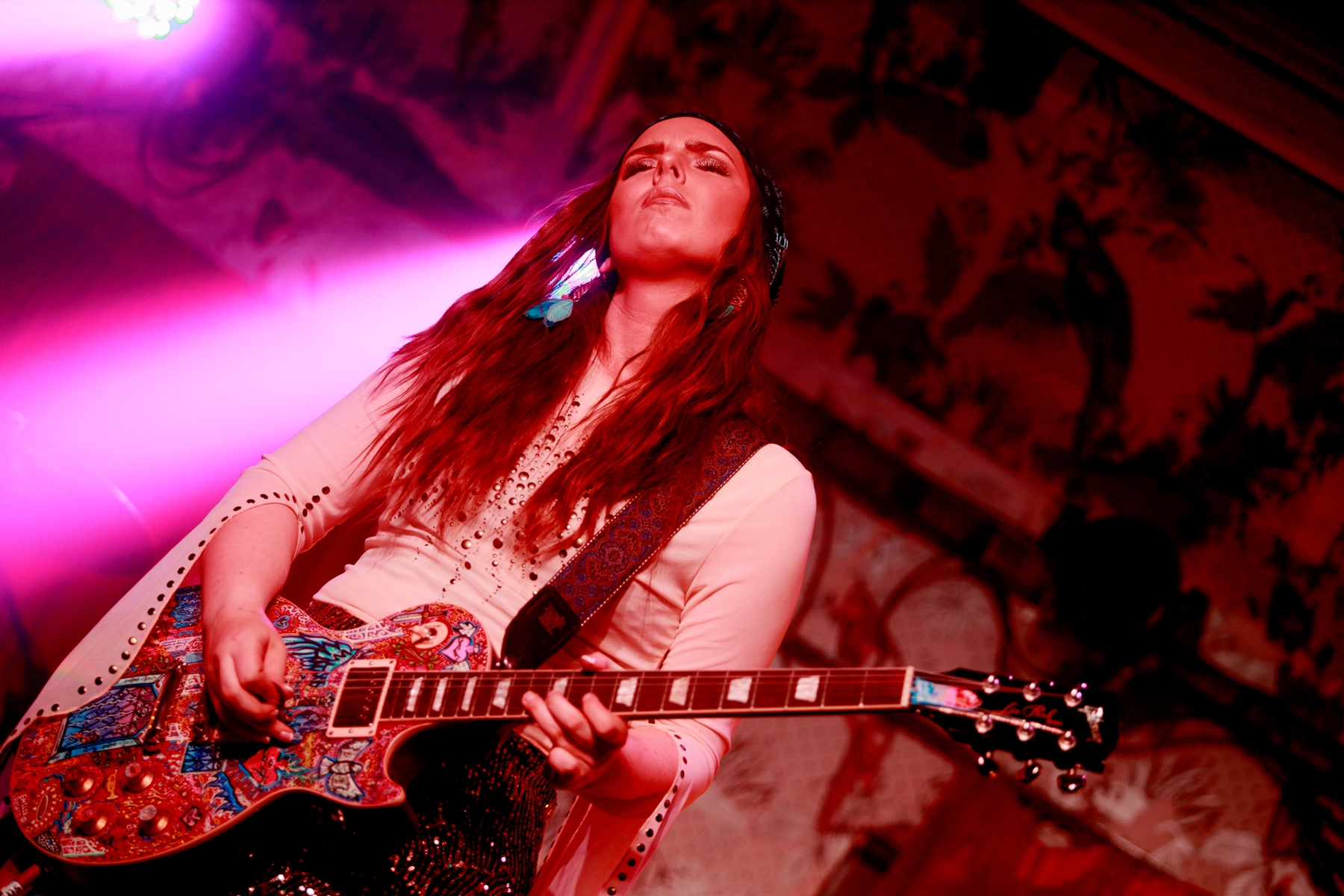
The set moved beautifully between moments of raw power and more reflective passages, allowing the audience space to breathe before launching back into another fiery guitar driven assault. And yes, let’s talk about the guitar. Because bloody hell. The thing I love most about Ally’s playing isn’t necessarily the speed or even the technique, although she’s got plenty of both. It’s the feel. Every note seems to have a purpose. Every solo feels like part of the story rather than an opportunity to simply demonstrate what she can do. There are musicians who leave audiences impressed and there are musicians who leave audiences moved. The very best somehow manage both, and Ally comfortably sits in that category. As somebody who spends a fair bit of time photographing live music, I’ve always found that the very best performers make photography easier. They’re expressive and animated. They give photographers moments rather than forcing us to search for them. Ally is one of those performers, and it didn’t matter whether she was leaning into a solo, exchanging glances and interactions with her bandmates, or working the room, there was always something happening.
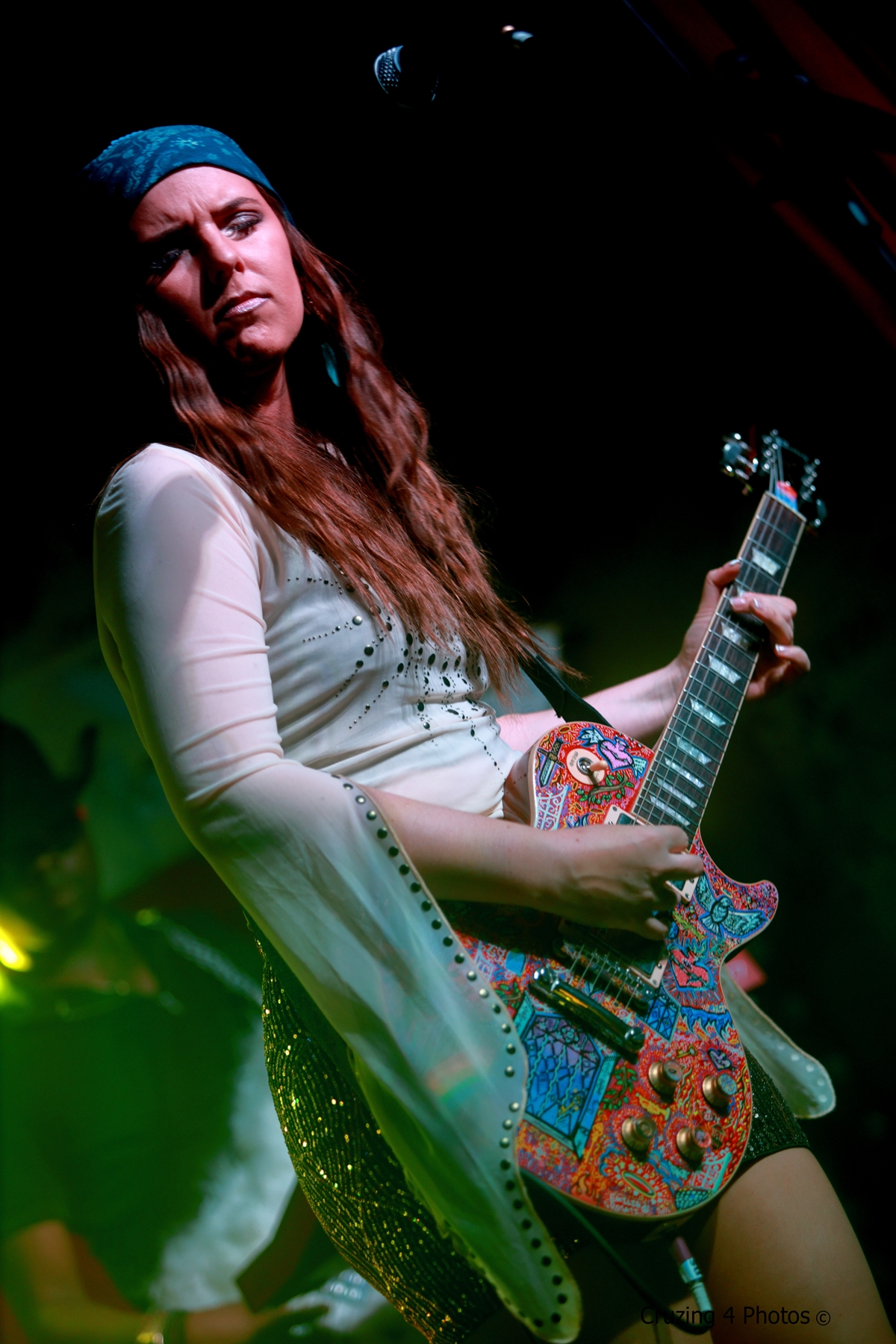
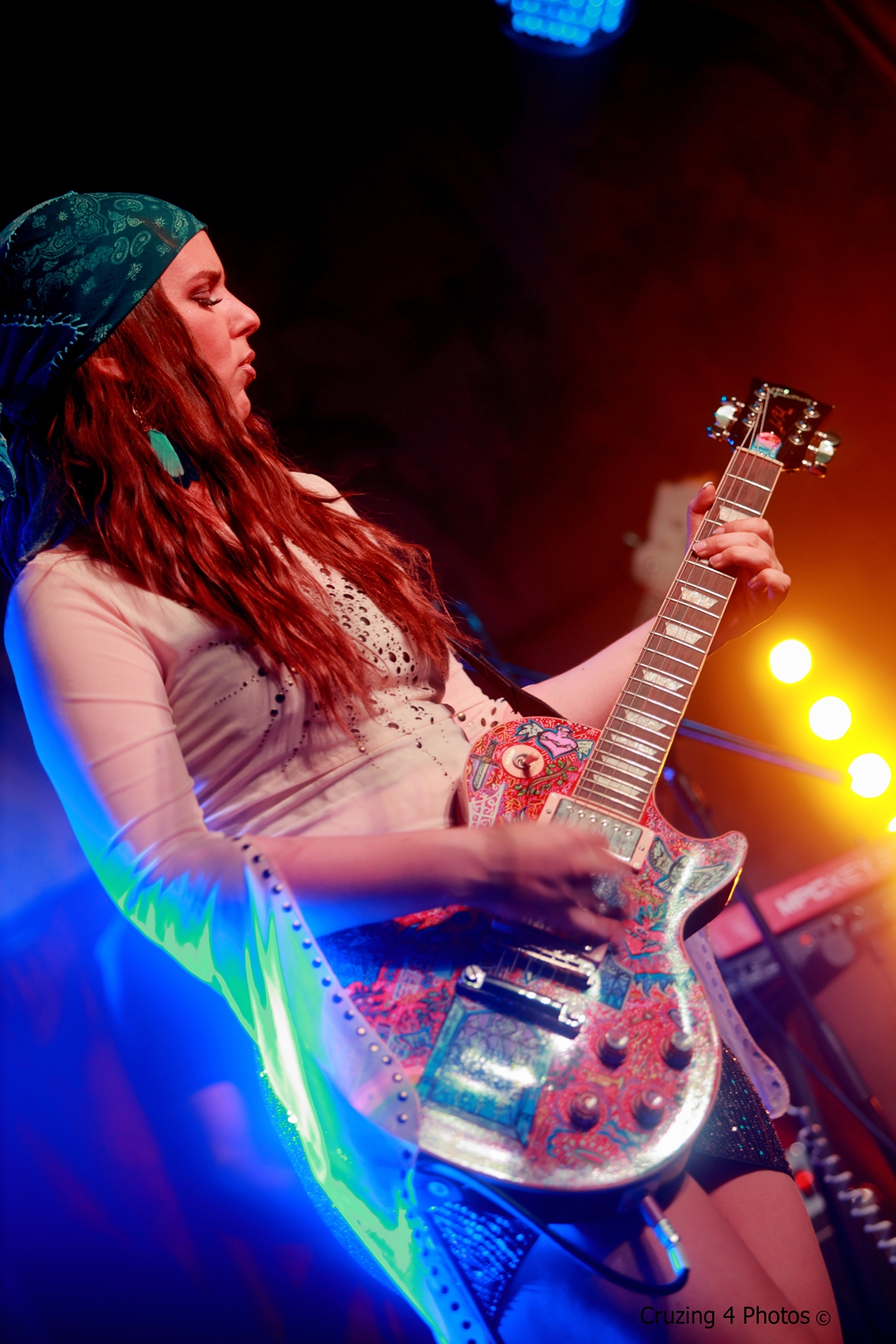
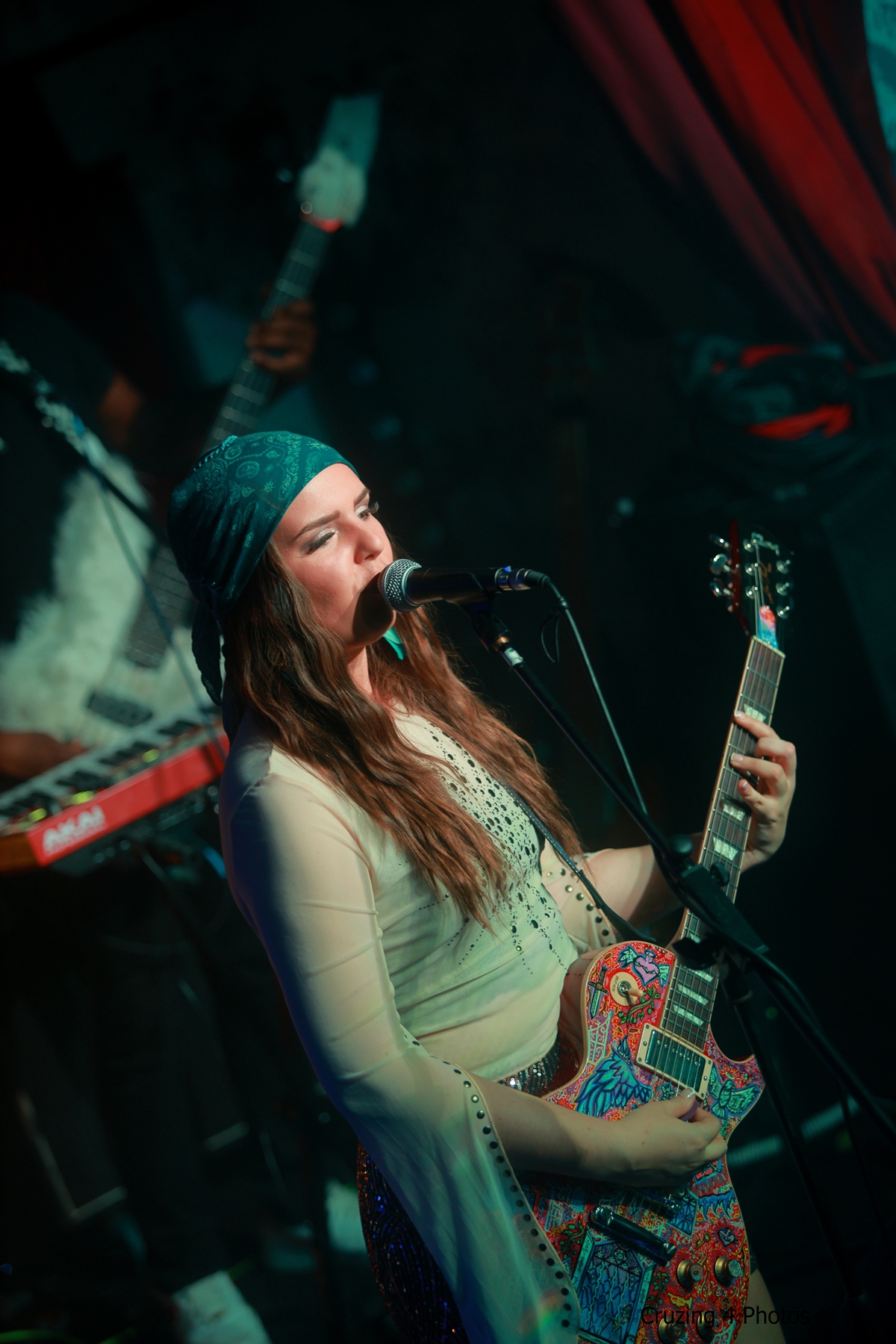
What I loved most was the collective focus. Nobody seemed in a hurry to be anywhere else. There was no endless wandering to the bar or other constant distractions. Instead, there was that wonderful sense of shared concentration that only occasionally develops during truly great live performances, and as Ally continued to raise the intensity, the audience responded greatfully so that by the latter stages of the set, every solo seemed to draw a bigger reaction than the one before it.

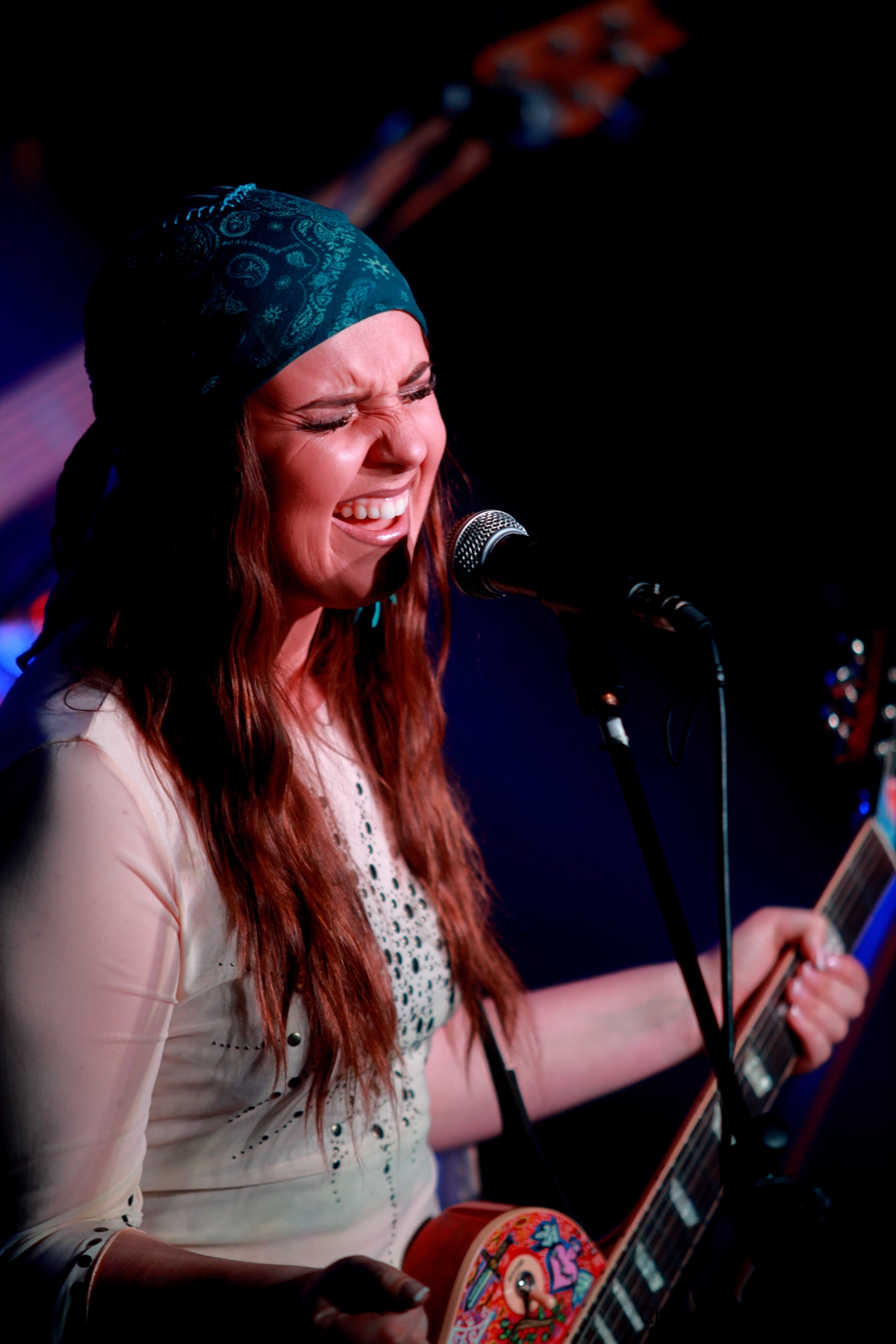
One thing I particularly noticed was how comfortable Ally looks as a frontperson. A few years ago as you can imagine, conversations about Ally Venable started with her guitar playing. Increasingly, I think they start with the complete package as the song writing feels stronger, the stagecraft feels more polished and her confidence appears to be at an all time high. It would be easy to compare her to other names within modern blues rock, but honestly I think she’s reached a point where those comparisons no longer matter. This felt like an artist becoming completely comfortable in her own skin, and by the end of the night there was a genuine sense that we weren’t simply watching a talented guitarist passing through Manchester. We were witnessing the continued development of a genuinely exceptional live performer. The guitar playing remains world class, the song writing continues to evolve, the stage presence has reached another level and, perhaps most importantly of all, she looked like she was enjoying every second of it.
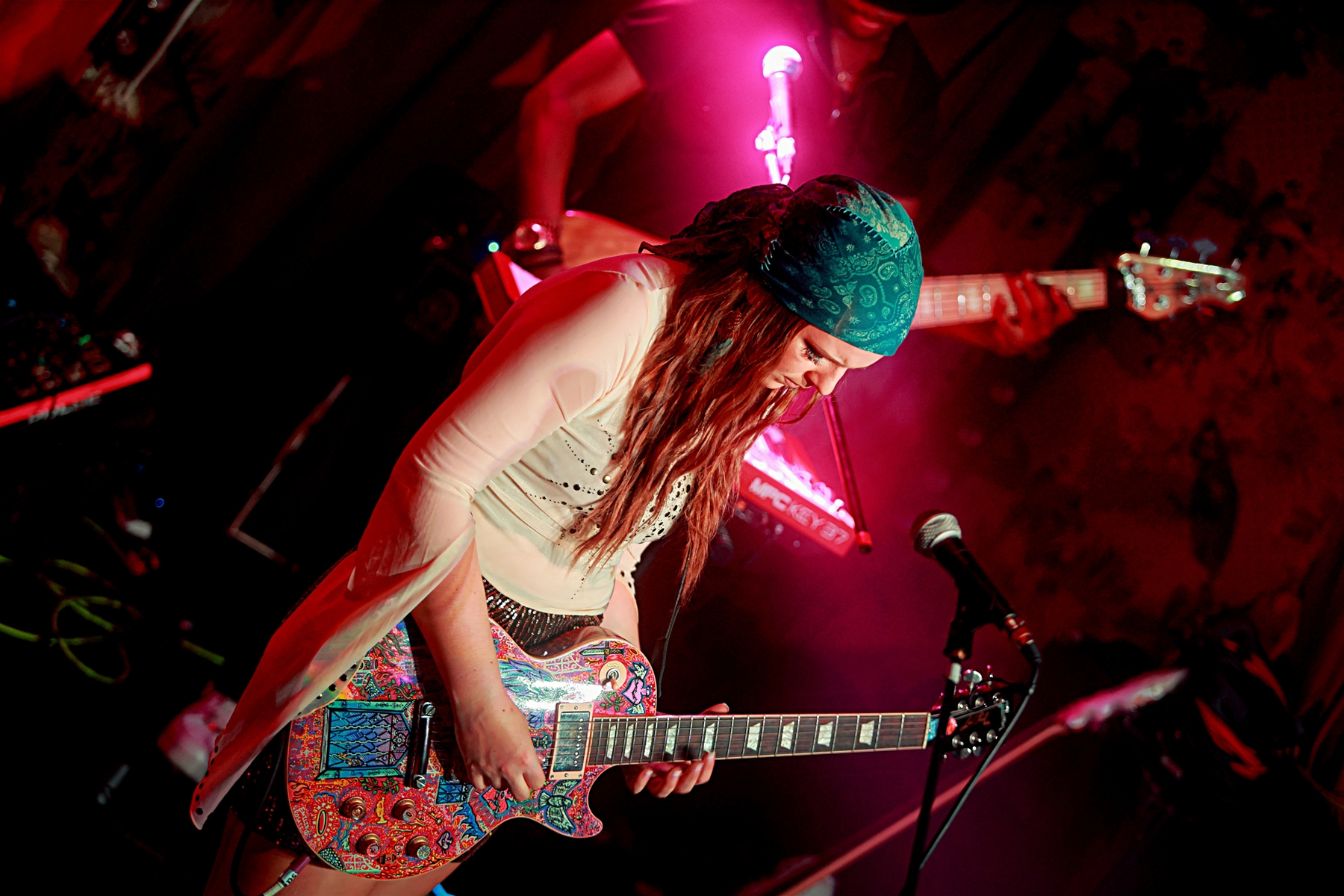
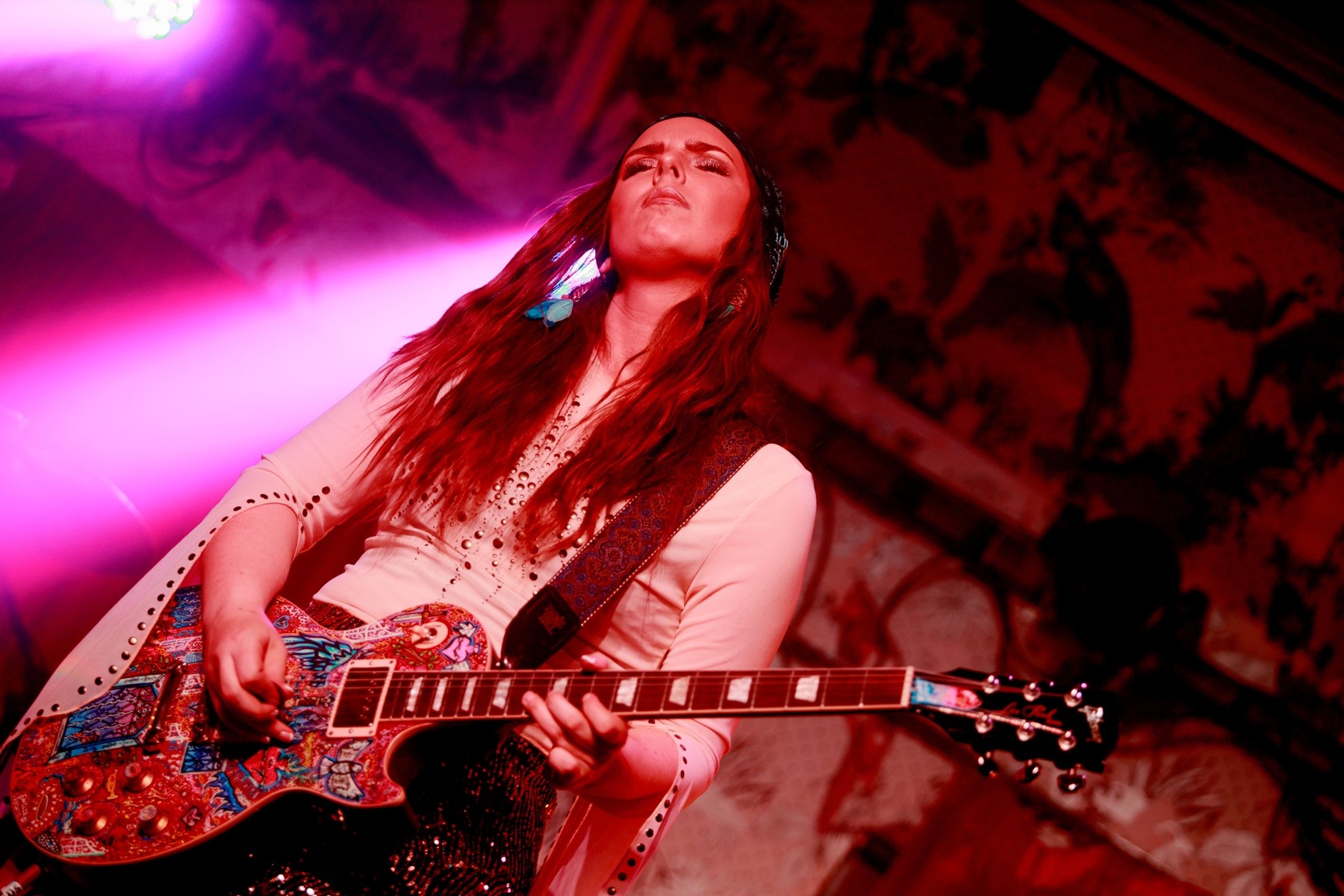
Last night also gave me the perfect excuse to take my new Canon R8 out for its first proper concert outing. For context, I’m coming from a Canon 5D Mark III that has served me faithfully for the last twelve years, so this wasn’t a small upgrade. It felt more like stepping through a time portal. Straight away, the autofocus blew me away. Being able to lock onto a performer’s eye in challenging concert lighting still feels slightly ridiculous after years of DSLR shooting. Images that would once have required careful focus point placement, a little luck and a high speed burst to better my odds now seem almost routine. It’s genuinely impressive technology. Even better, all of my old EF lenses worked flawlessly through the adapter, which was a huge relief. The only real compromise was battery life, but it is absolutely feature packed, and those features all need powering. My old 5D Mark III could seemingly survive an expedition on a single battery. The R8, on the other hand, got through more than one during the evening. Once I’d got home, I quickly realised there are still a few settings I needed to fine-tune. Disabling unnecessary focus hunting, reducing screen usage, turning off image review and enabling aeroplane mode should all help squeeze a little more life from each battery in readiness for next year’s festival season or my next gig even. A few extra batteries will definitely be finding their way into my camera bag before Bearded Theory or Stonedead rolls around again, but that said, after just one evening, it’s obvious that mirrorless technology has moved the game on dramatically. Twelve years is a long time in photography and after Sunday night even with my older L series glass, it felt like I was finally catching up, and if the photographs I’ve brought home are anything to go by, it is worth every penny.