
Every year, festival reviews appear online everywhere. They list the best performances, discuss the sound, the bands, the weather, the crowd numbers and surprises. The smiles, the feel and the vibe. They then move on to the next festival or gig and, a little over a week later, most have been forgotten and people seldom read them again. Having spent years publishing them on weshootmusic.com, I’ve learned that most event reviews have a surprisingly short shelf life.
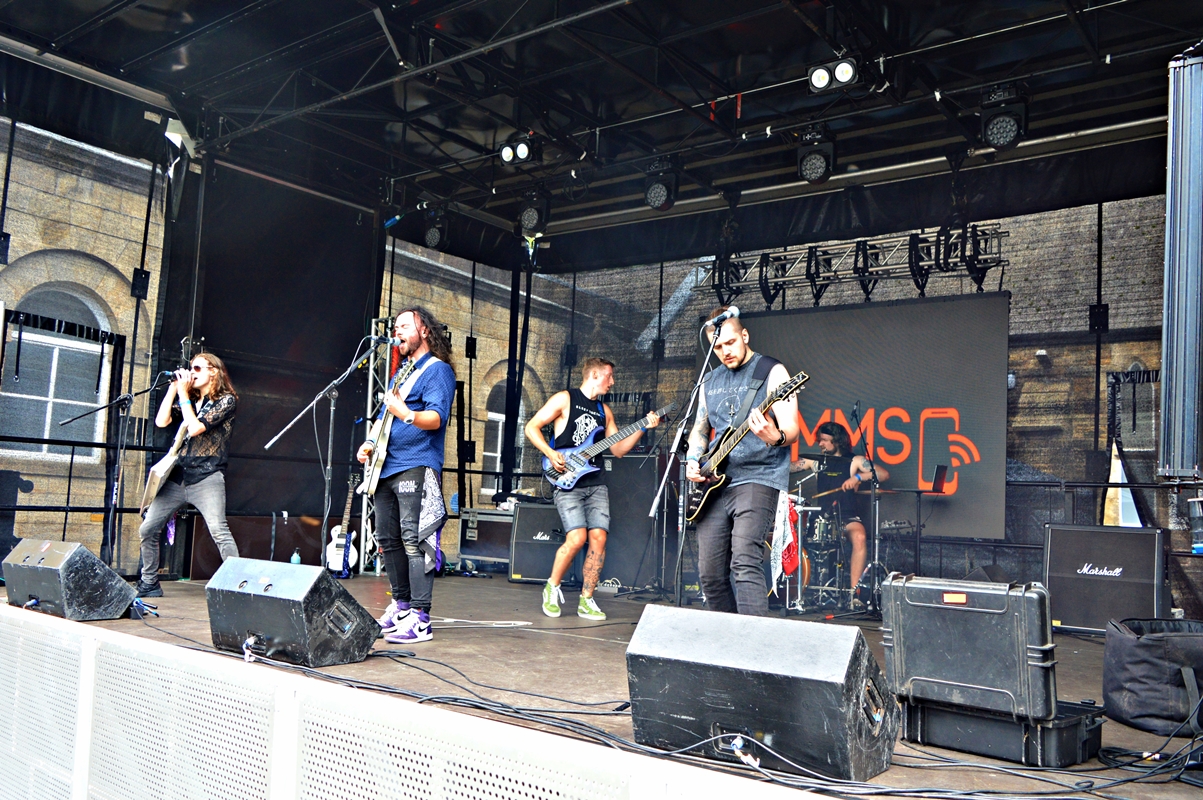

Glaston-Bury deserves something different because Glaston-Bury is something uniquely different. To properly document it, we need to look beyond a single year’s event and instead view it as a continuing story spanning generations of musicians, volunteers, businesses and music lovers. The real story here isn’t simply about who played each stage or which act drew the biggest crowd. The real story is how a small charitable music event that began in 2008 has evolved into one of Greater Manchester’s most enduring grassroots festivals, raising over £300,000 for Bury Hospice, while also providing additional donations to a range of other local charities and causes.
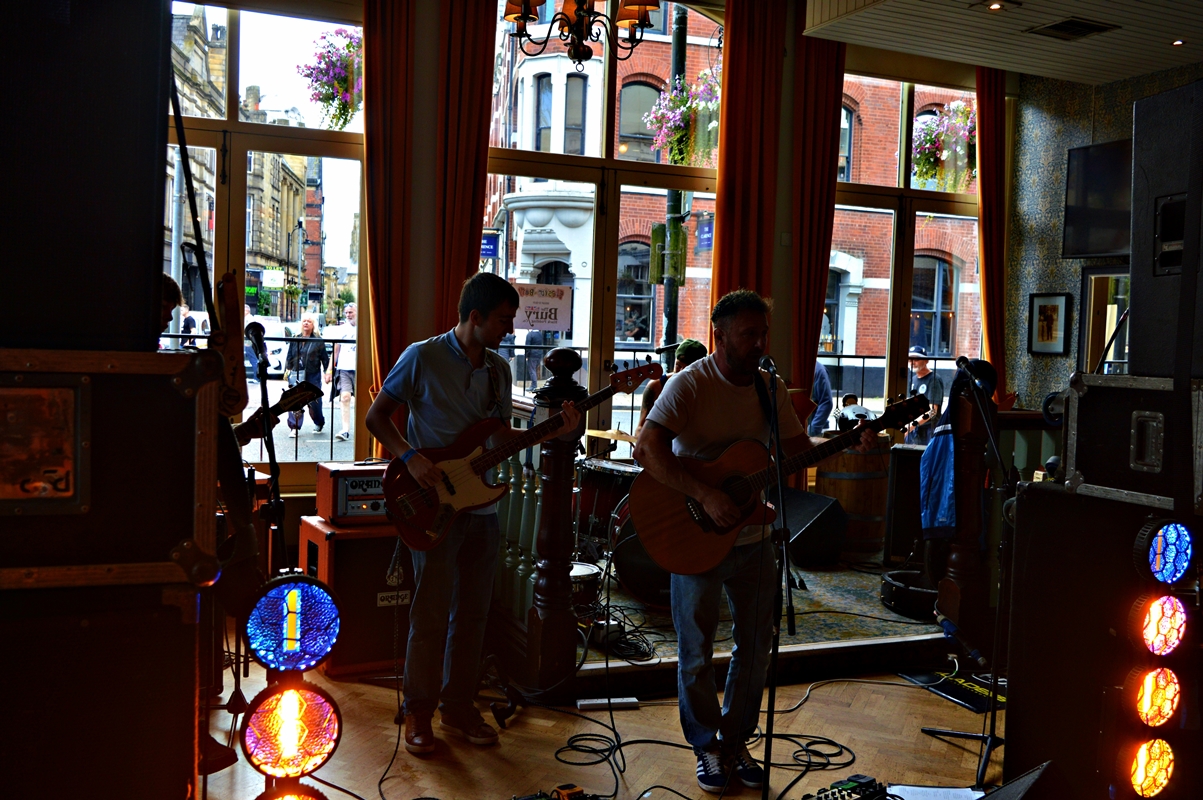

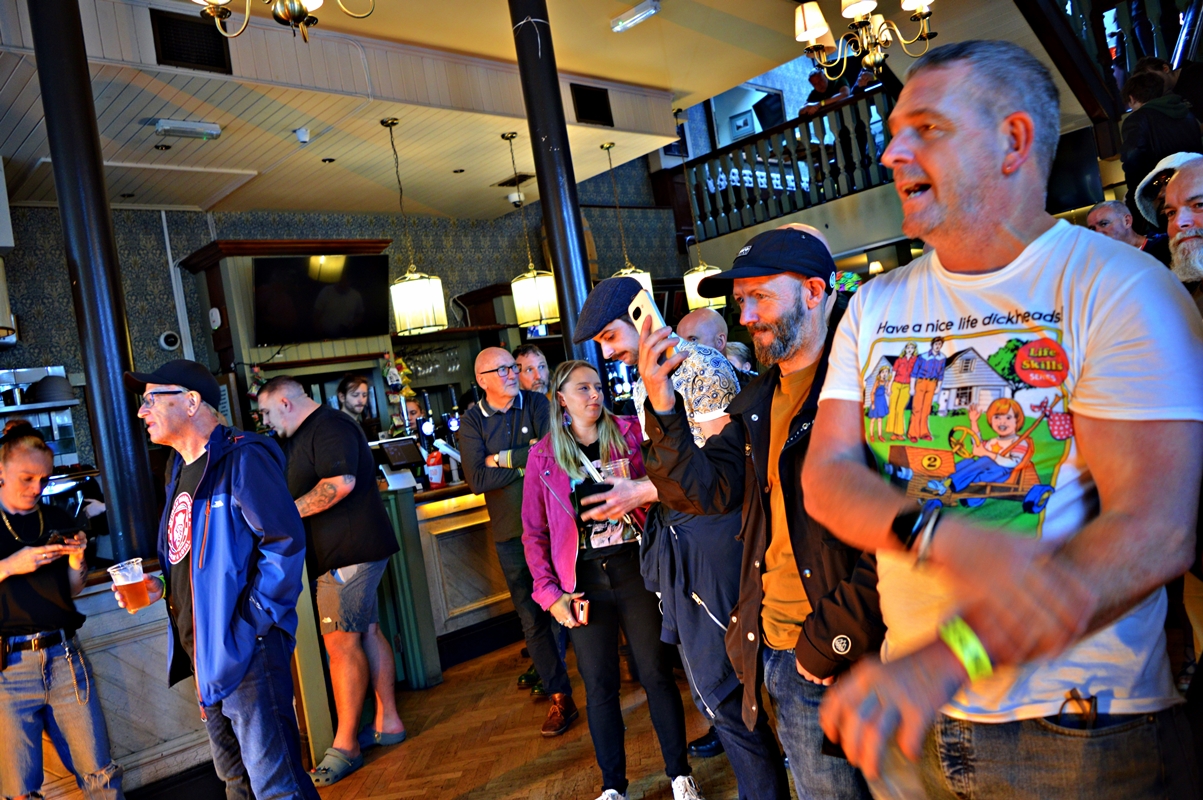
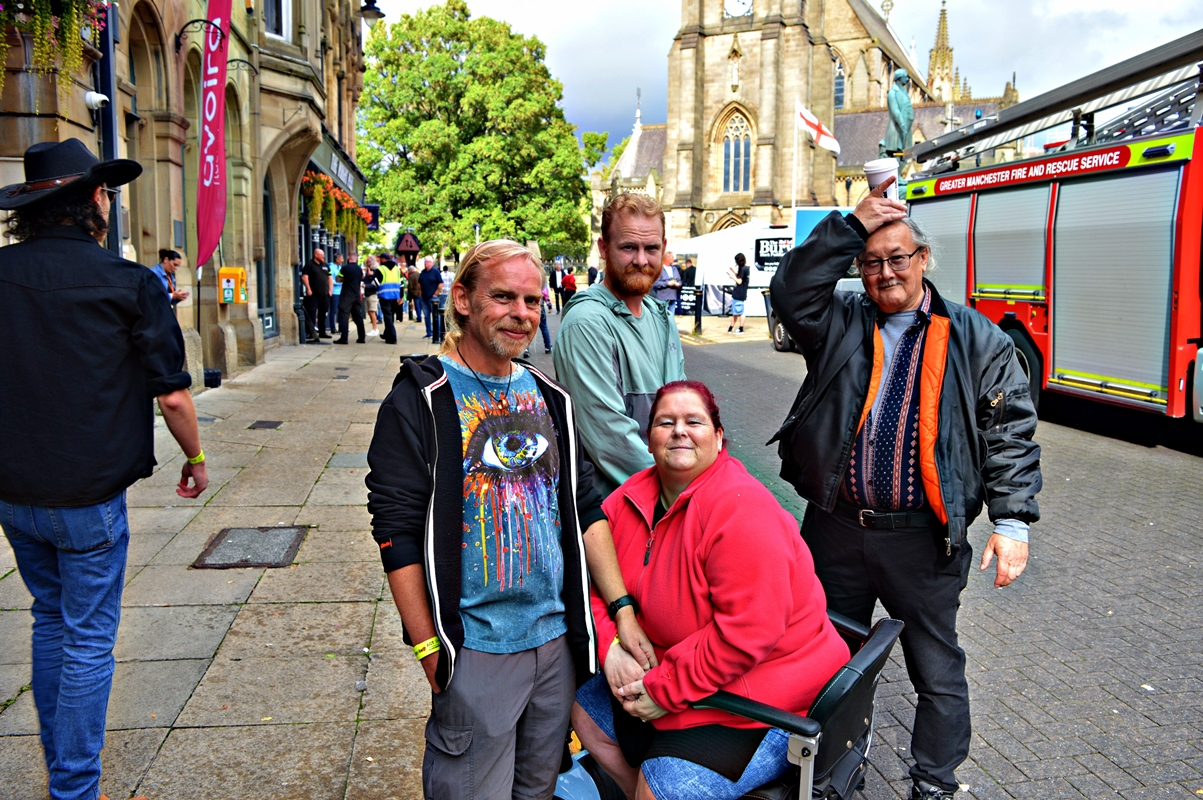
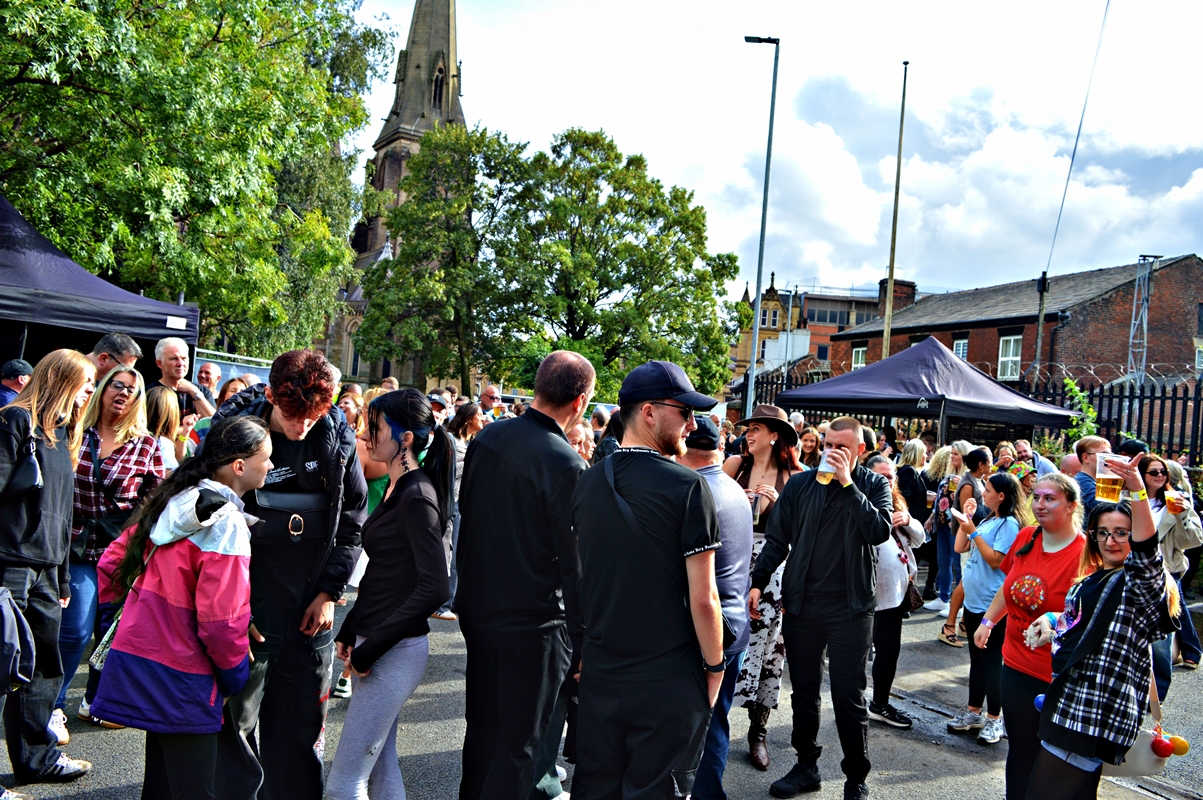
On any other Monday in any other town, if you saw a bloke carrying a double bass while another wheels half a percussion section across a town centre street, you could be forgiven for thinking that they were both randomly on their way to exchange them for money at any of the many high street establishments that specialise in cashing in on other people’s financial misery, but not today. Not in this town. Today it’s more likely that their set is due to start in twenty minutes and they can’t find their vocalist. For one day every August Bank Holiday, Bury town centre in Lancashire or North Manchester, or Greater Manchester if you prefer, stops behaving like a town centre and becomes something else entirely. Pubs become venues. Car parks become festival stages. Cafes and Bistros suddenly acquire sound systems. Musicians emerge from every side street carrying enough equipment to start their own branch of H.W. Audio and, most remarkably of all, nobody finds any of this remotely unusual. After five years of photographing Glaston-Bury, I’ve come to realise that’s because everyone involved shares the same collective madness.
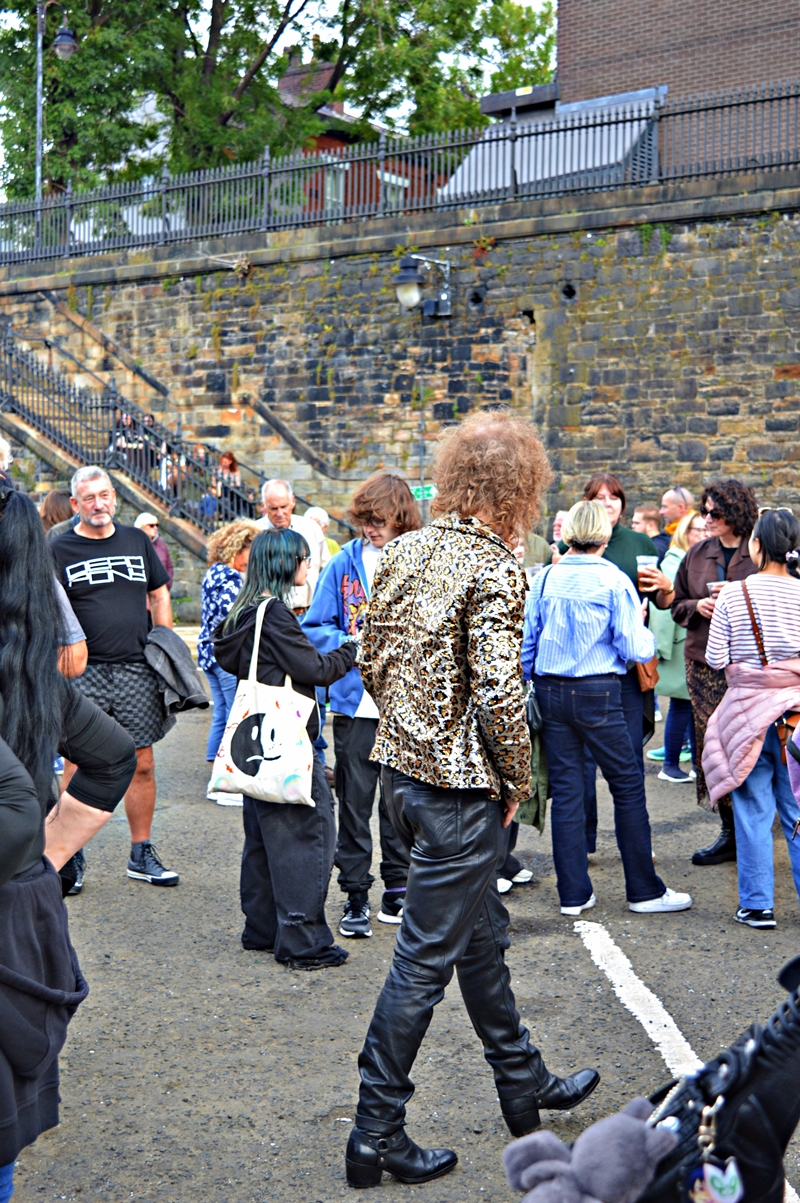
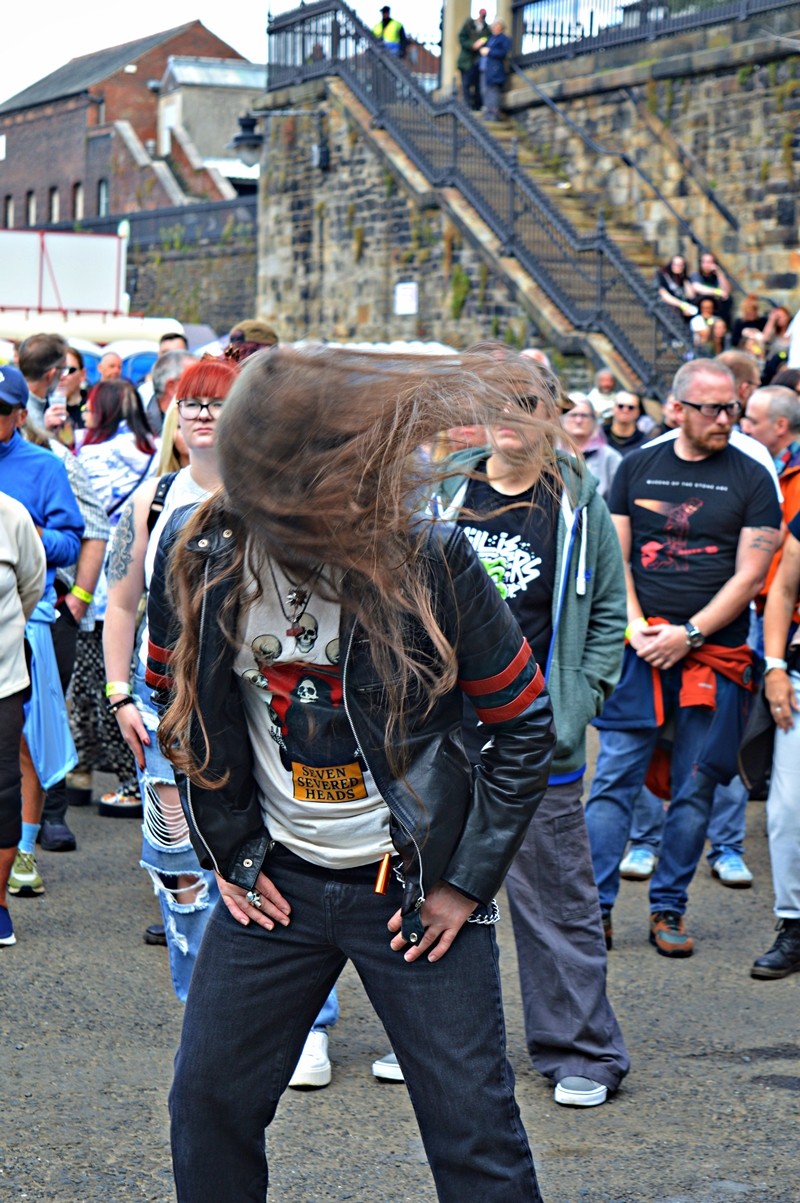
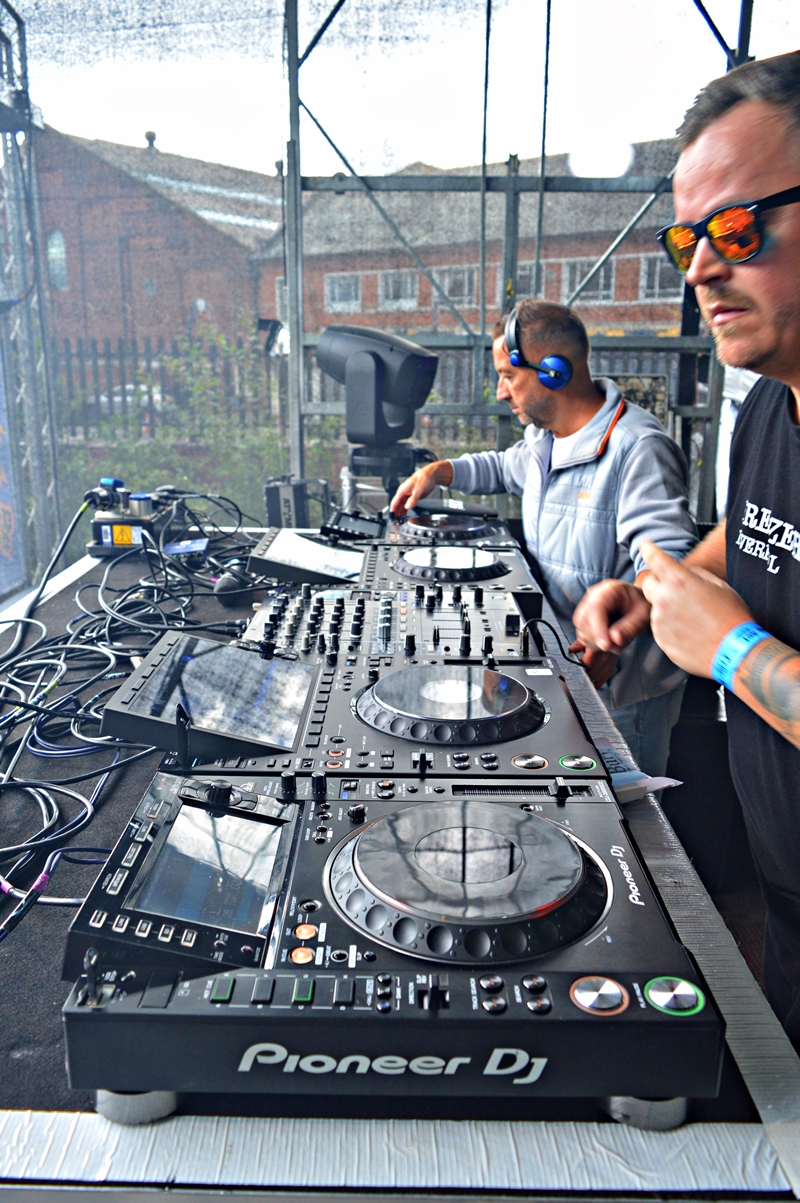
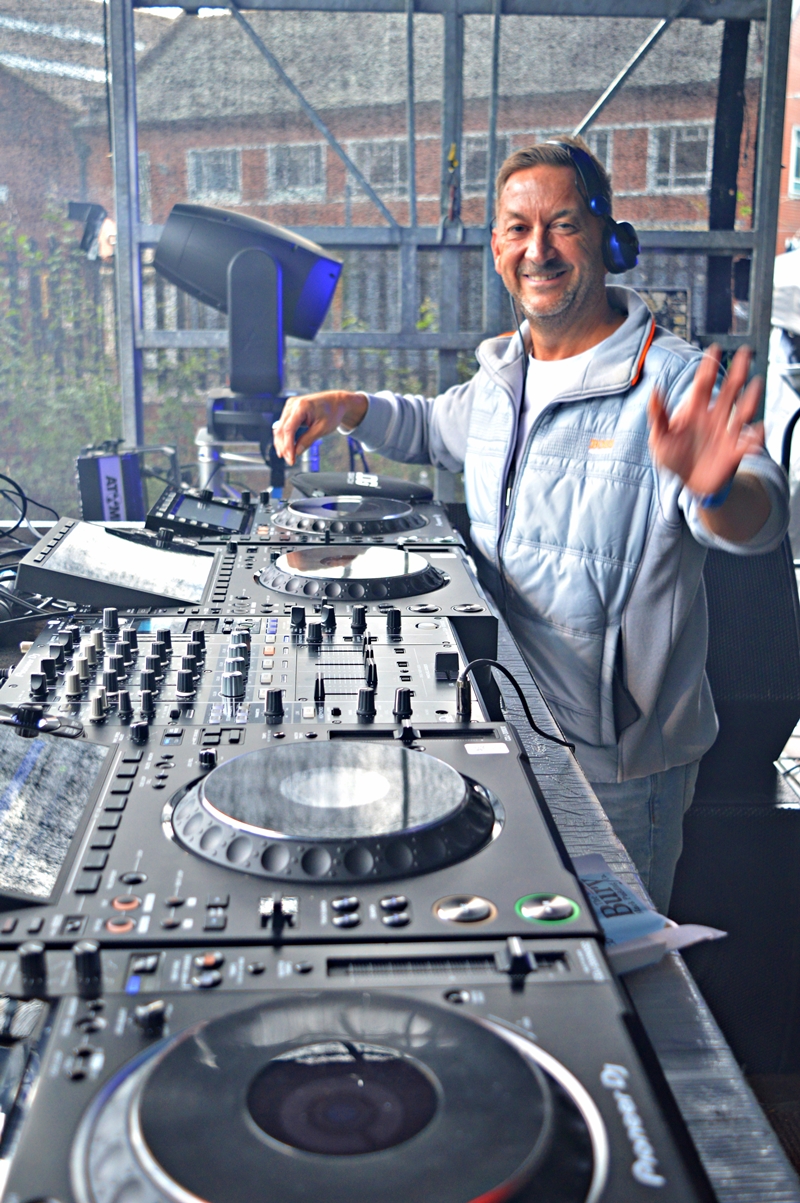
Most festivals begin with grand ambitions and corporate backing. The roots of Glaston-Bury can be traced back to the Blind Tiger on Bolton Street, where Chris “Bucko” Buckley was working as a DJ at the time. He thought that he could get a few musicians together, raise some money for Bury Hospice and have a good day doing it. That seed planted in 2008 has since grown into a town centre-spanning event involving hundreds of performers, multiple stages and enormous community support, raising hundreds of thousands of pounds for Bury Hospice and other local causes along the way. Next year marks the twentieth edition and, if I know the organisers at all, next year’s spreadsheets are already open, the WhatsApp groups are active and the planning meetings have begun.
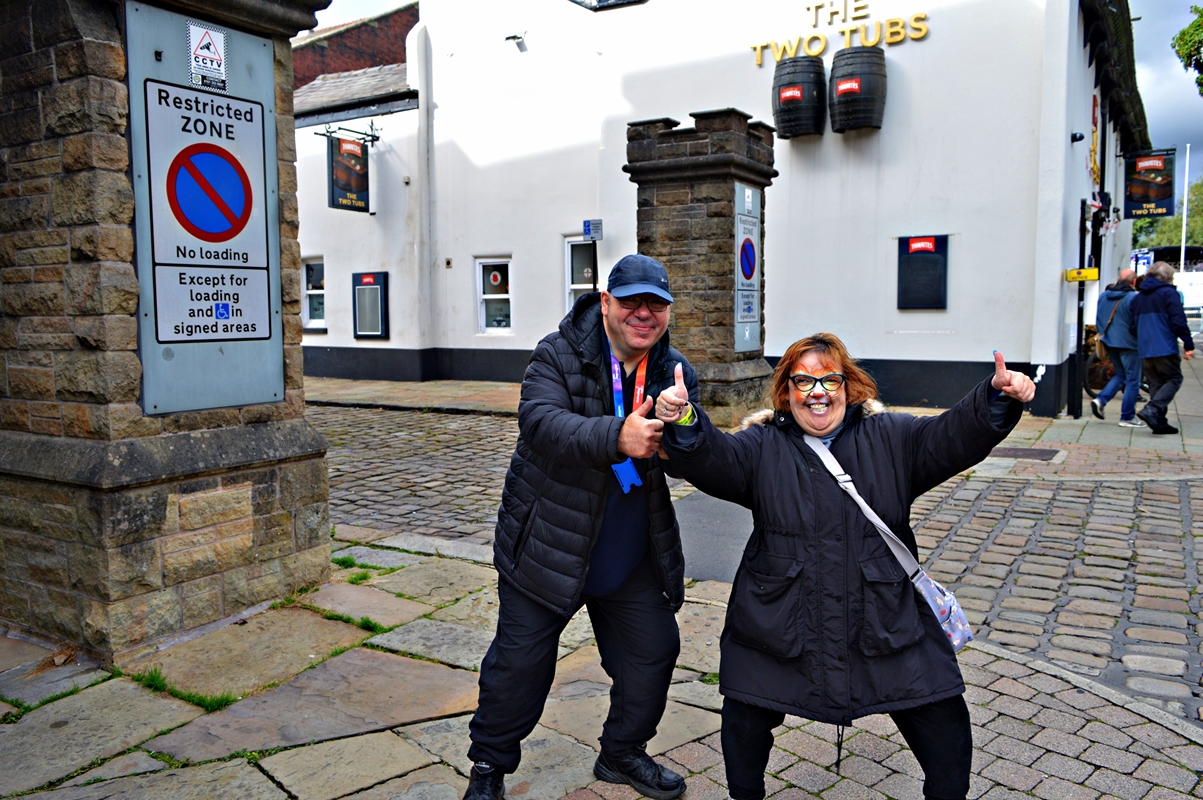
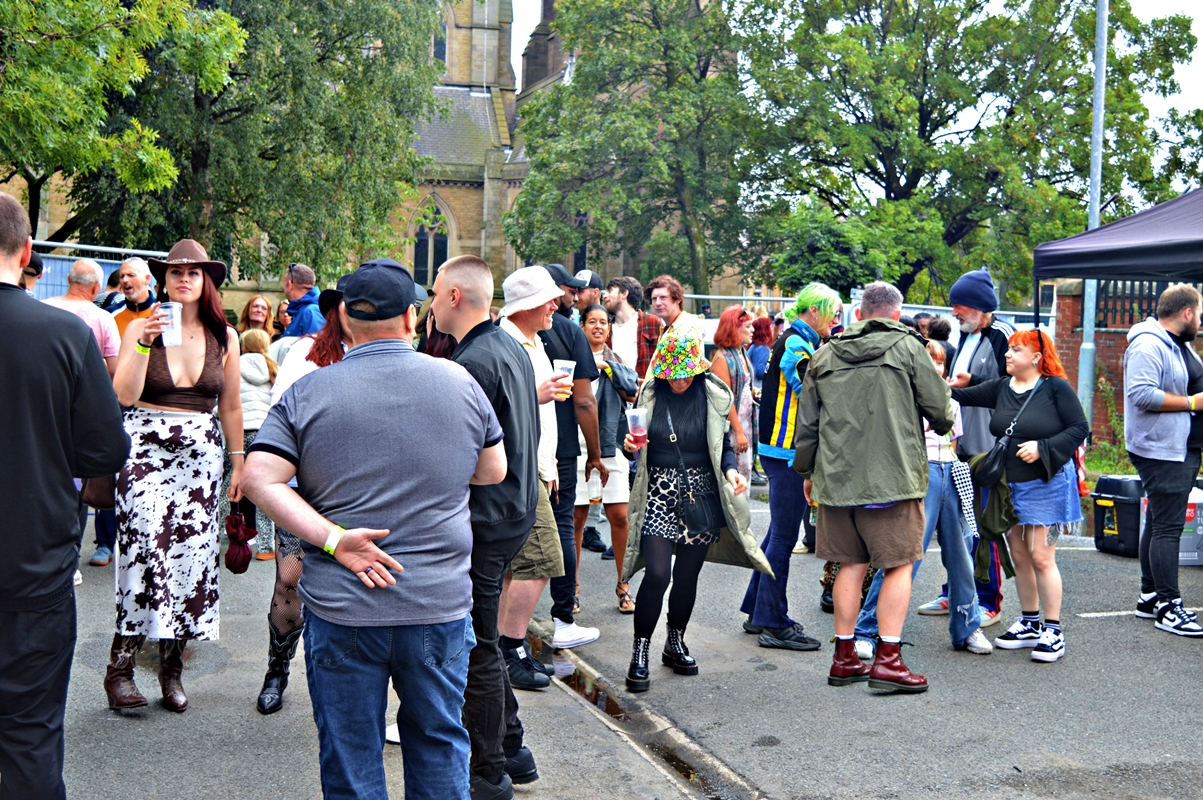
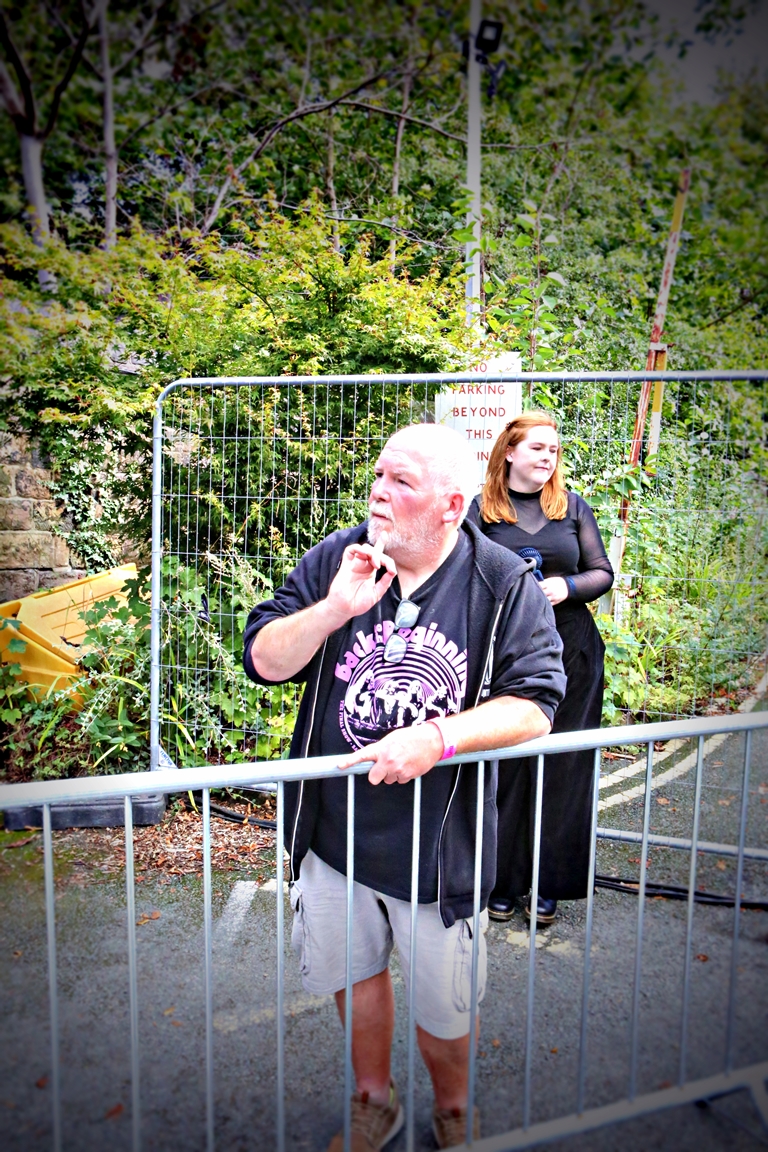
I’ve come to the conclusion that there are only two types of people when talking about Glaston-Bury. There are those who think organising a music festival across an entire town centre sounds like a brilliant idea, and those who’ve actually tried organising a music festival across an entire town centre. The first group is considerably larger, which is why I am once again left wondering how Chris Buckley, Lyndsey Hopkinson, Laura Higginson, and their small army of volunteers continue to pull this thing off year after year.

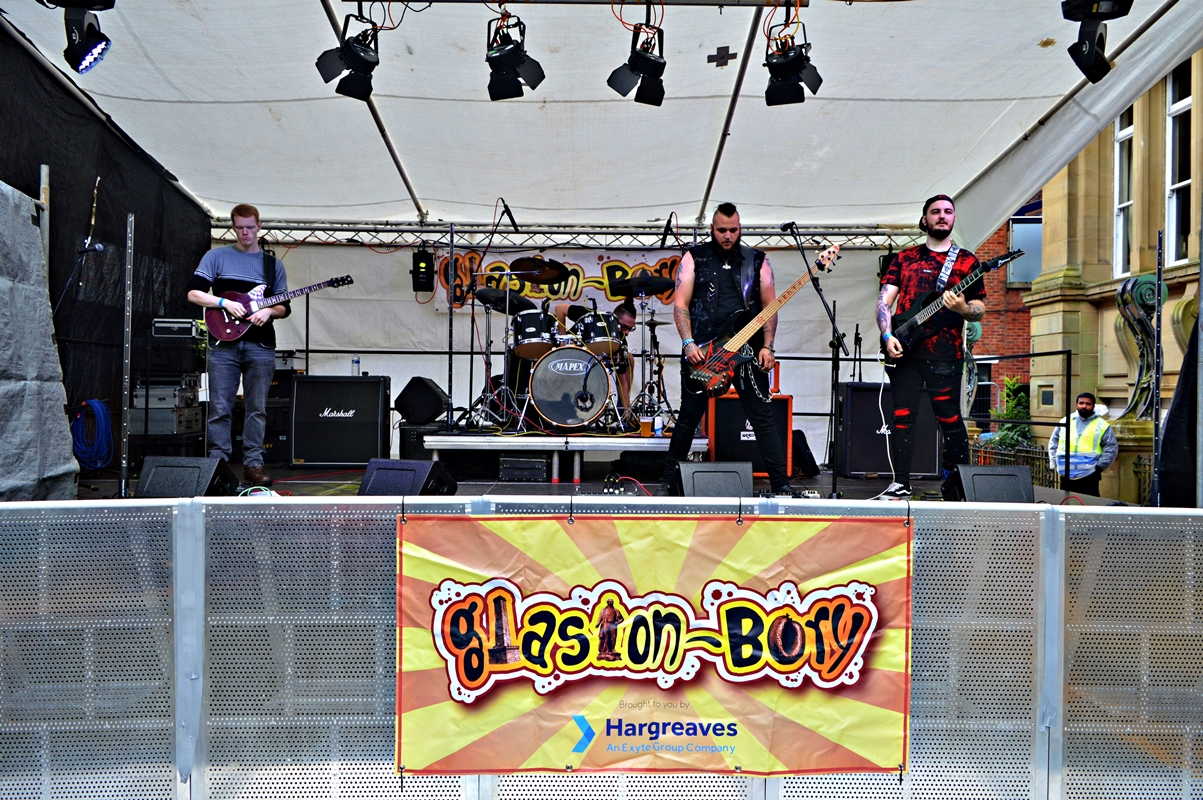
Please take a moment to just think about what Glaston-Bury actually is, because it’s easy to overlook just how ridiculous an undertaking and concept it continues to be. To apply a little perspective, most single day music events are contained within a single venue, be that a field, a park or a clearly defined site. Everything happens within a controlled environment. Security know where people are supposed to be. Artists know where they’re playing. Equipment typically stays in one place. It requires one sound system, one set of lighting, one or two MCs to introduce bands and a couple of techs for sound/lighting.
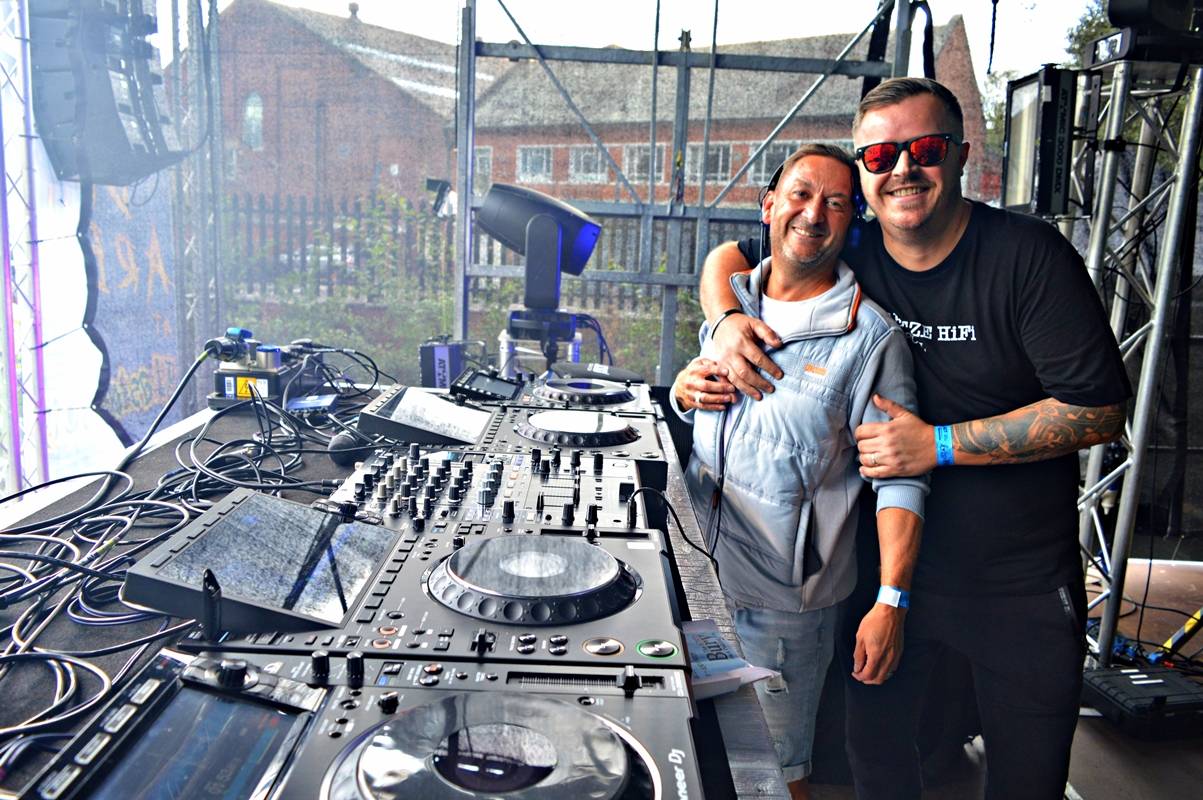
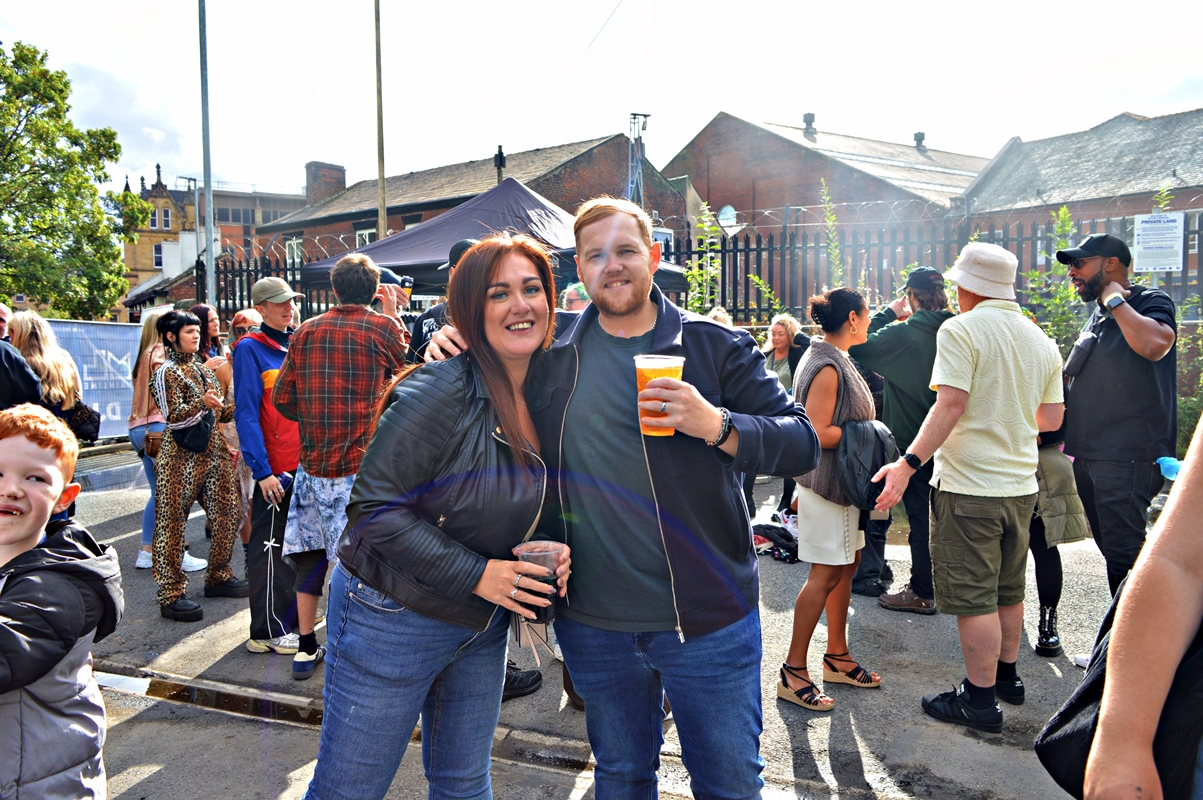
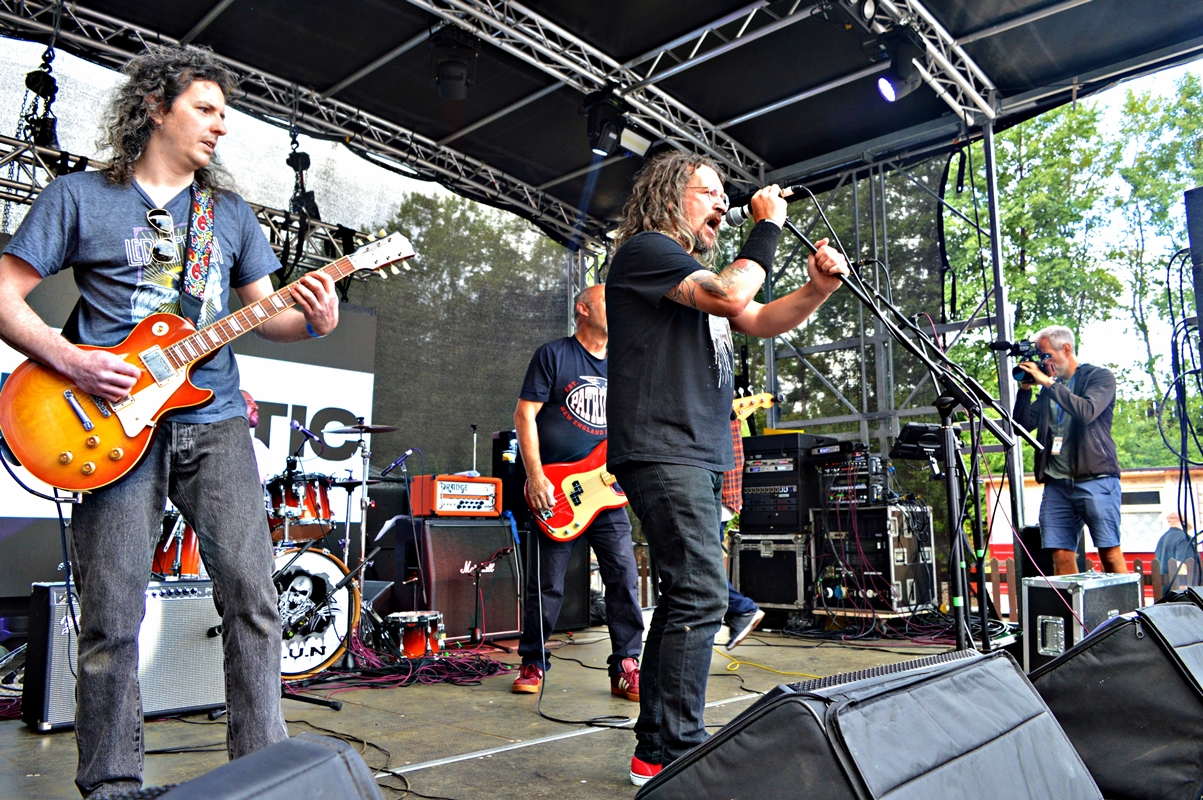
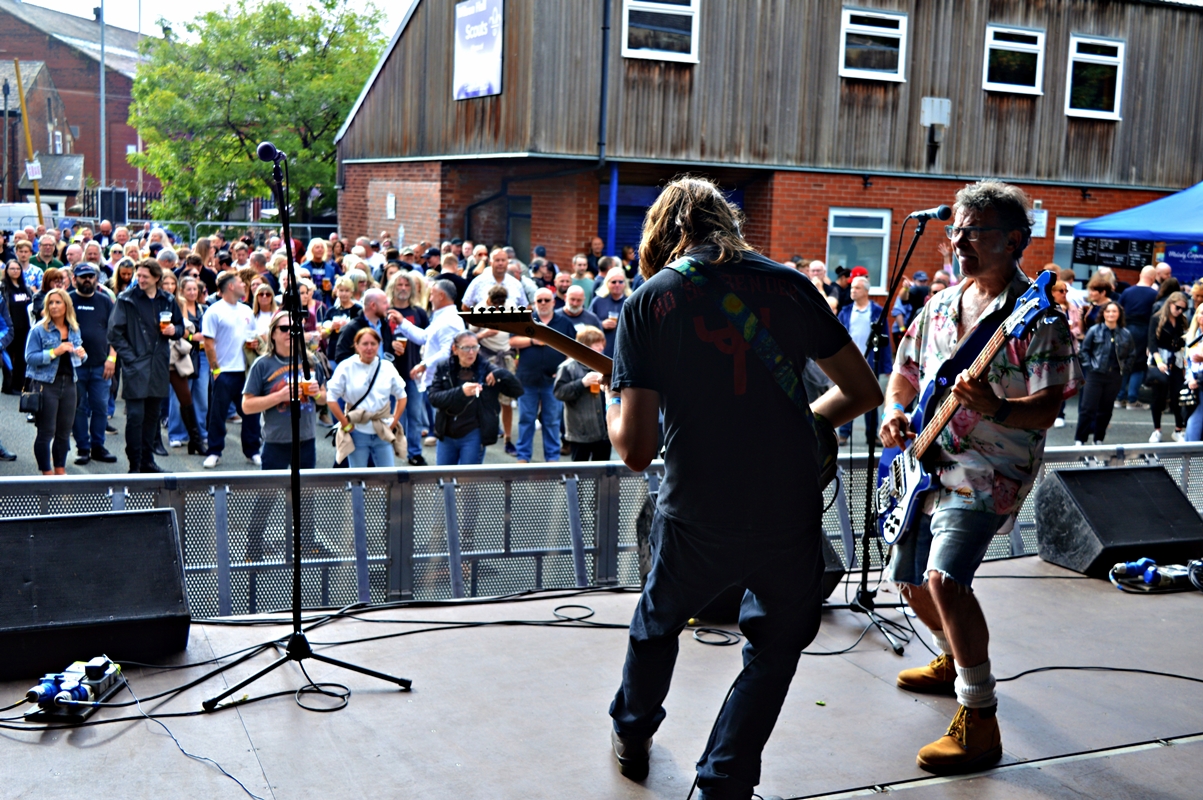
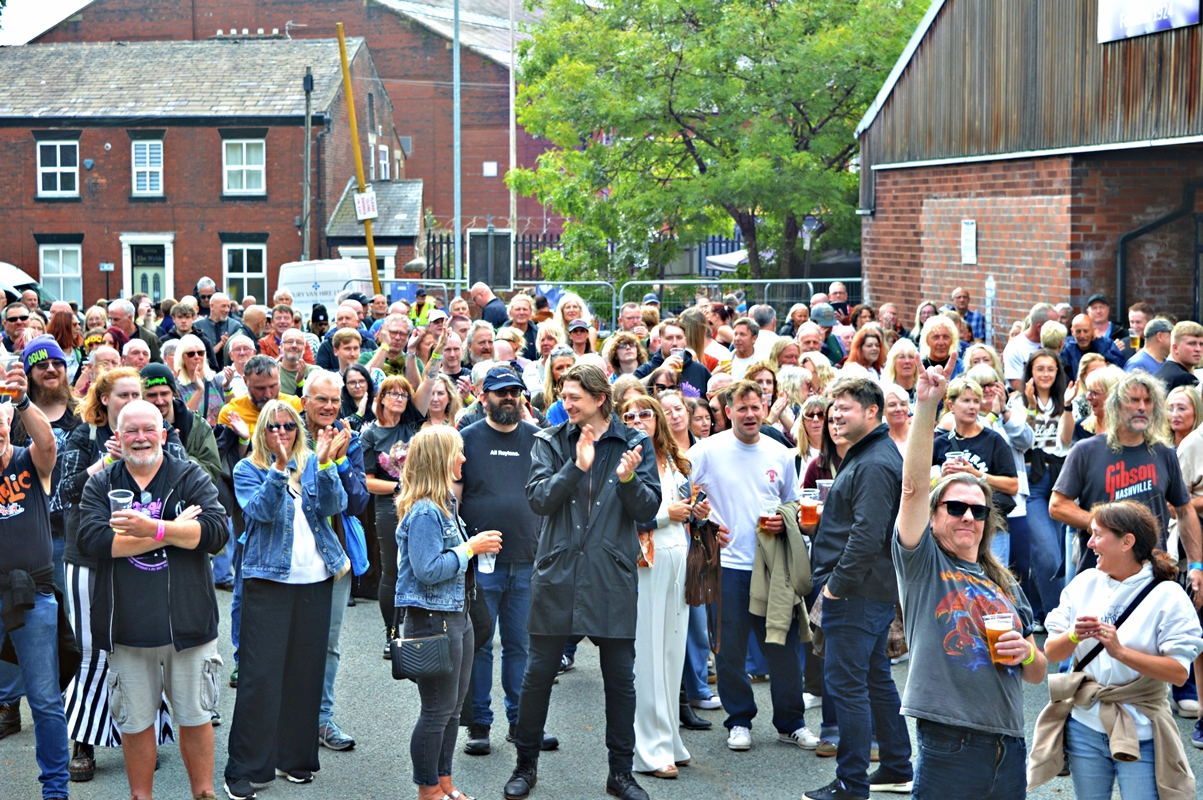
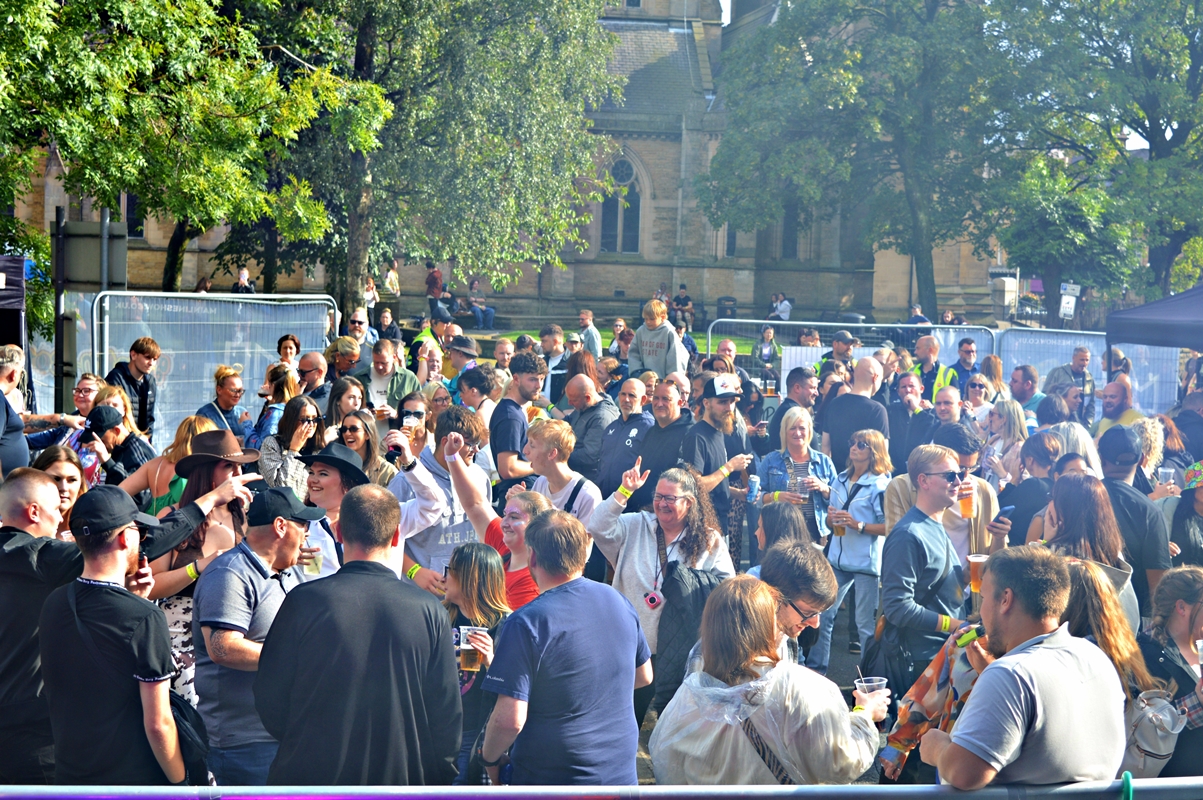
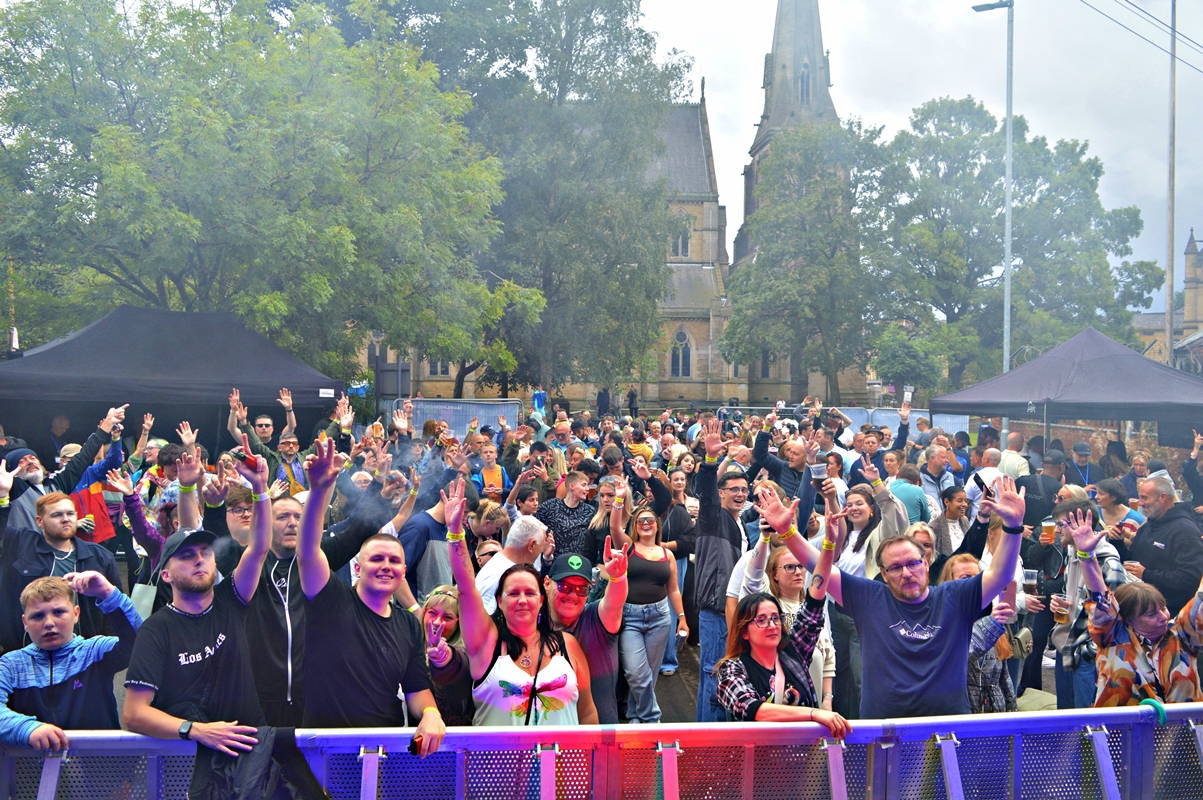
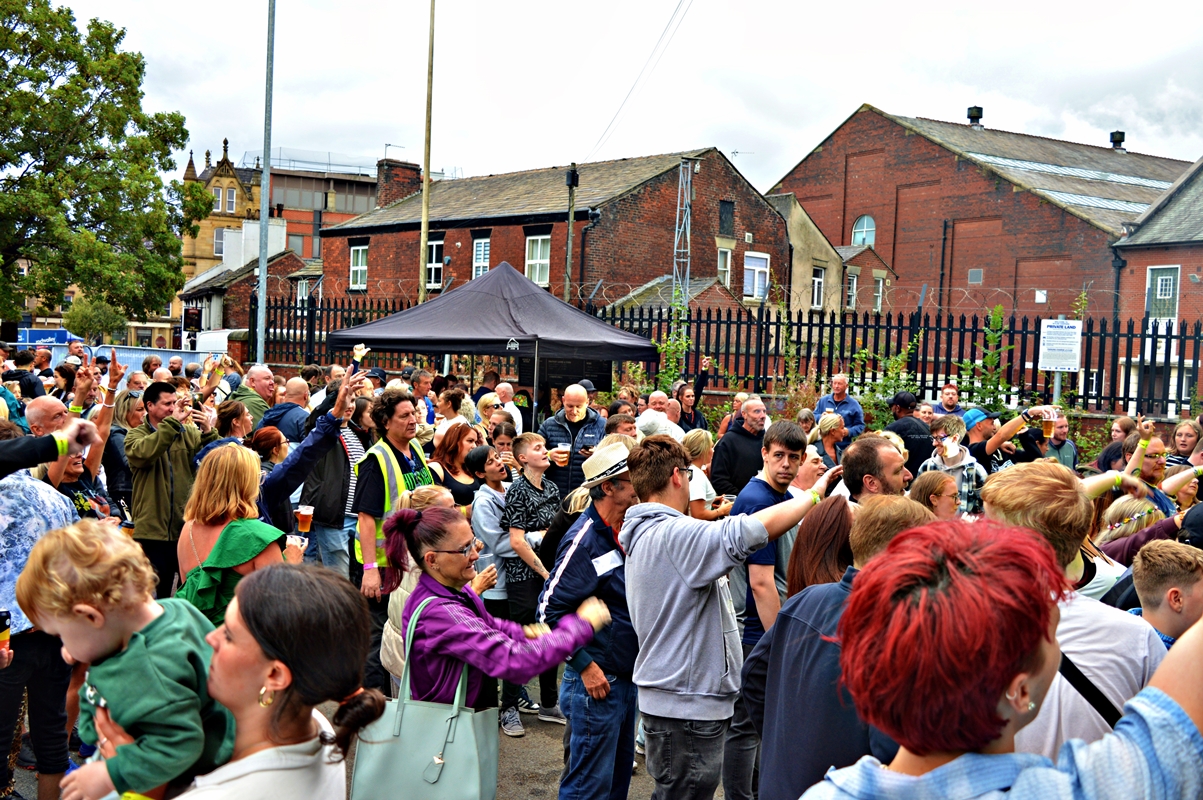
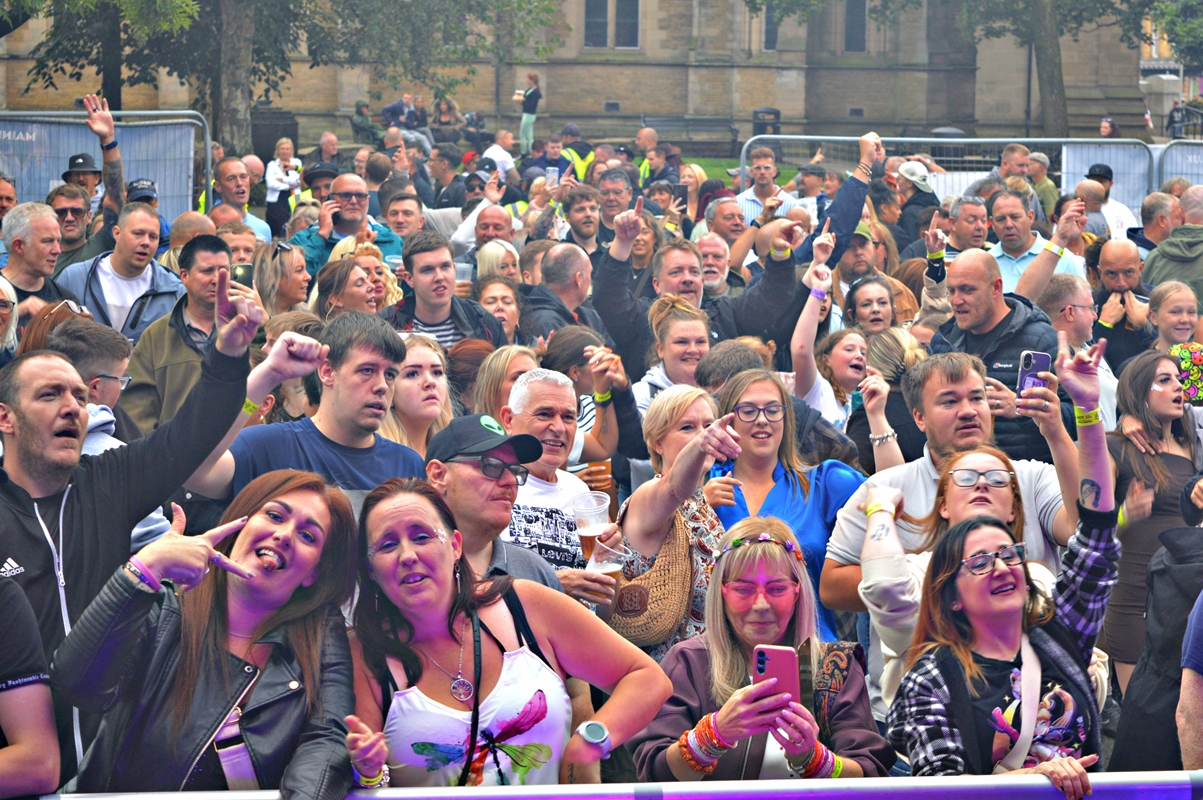
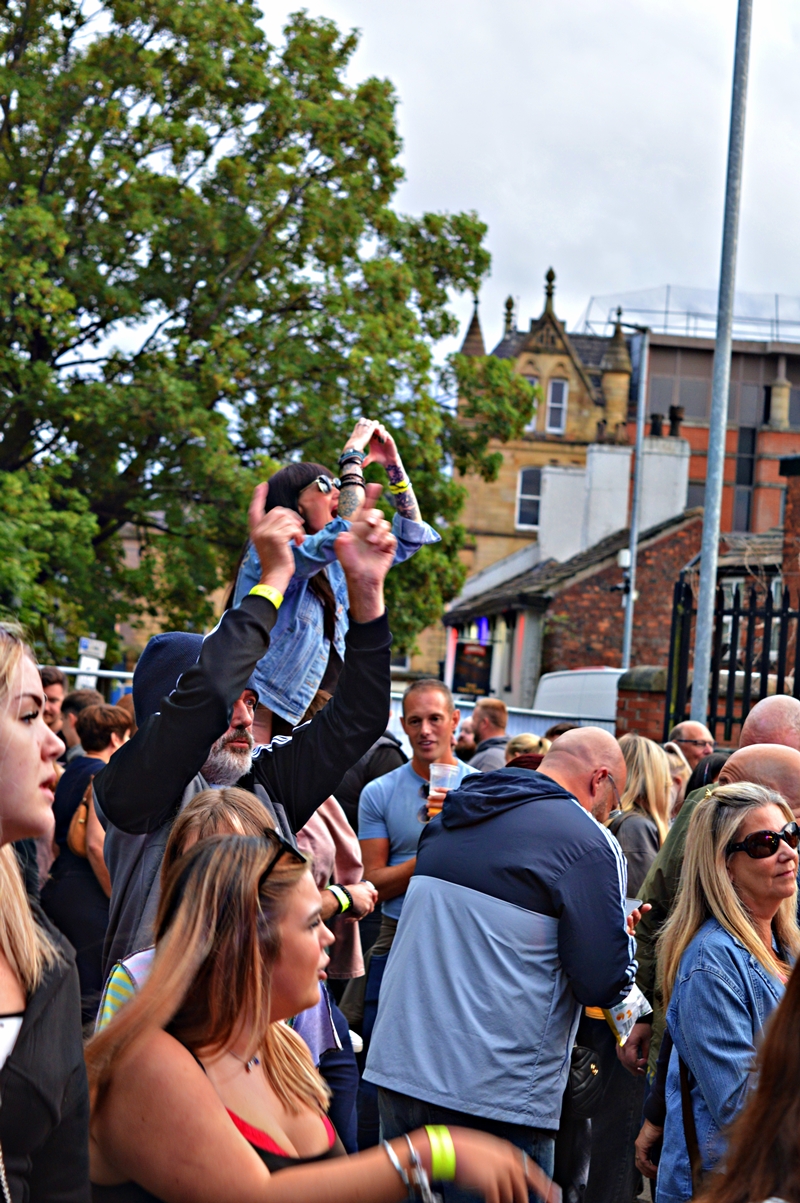
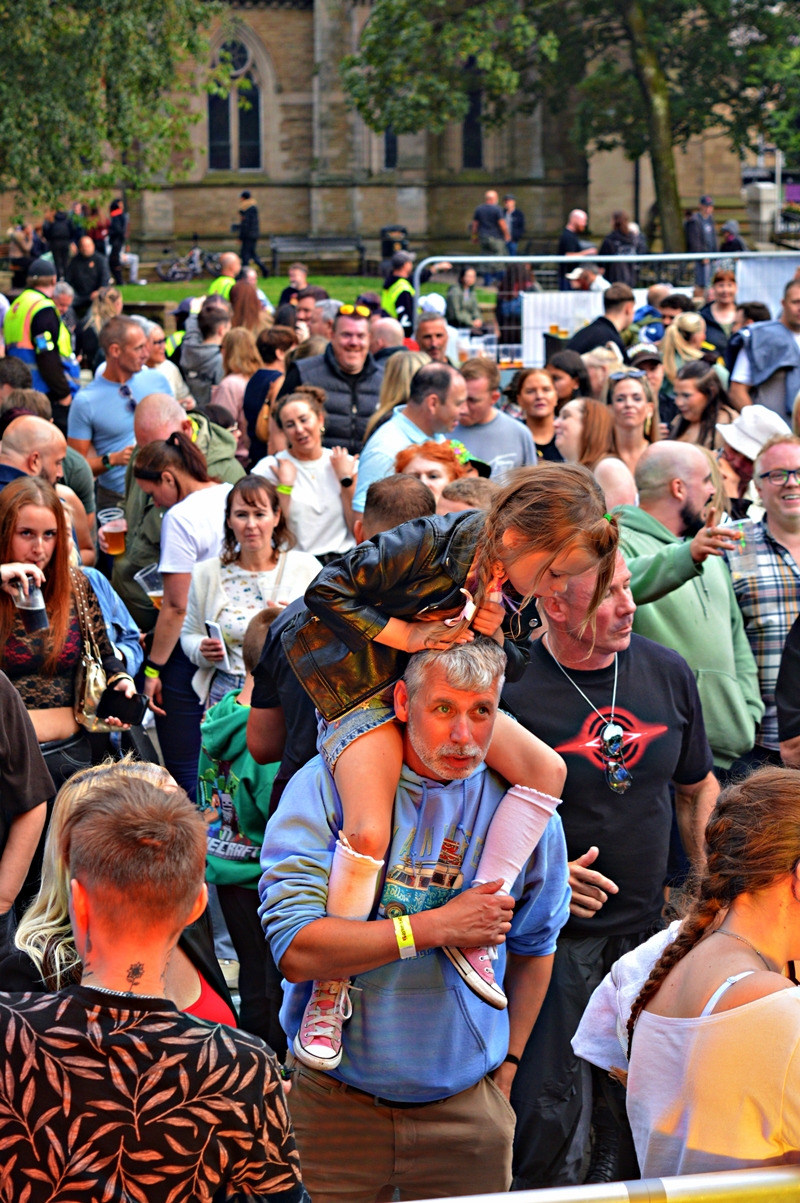
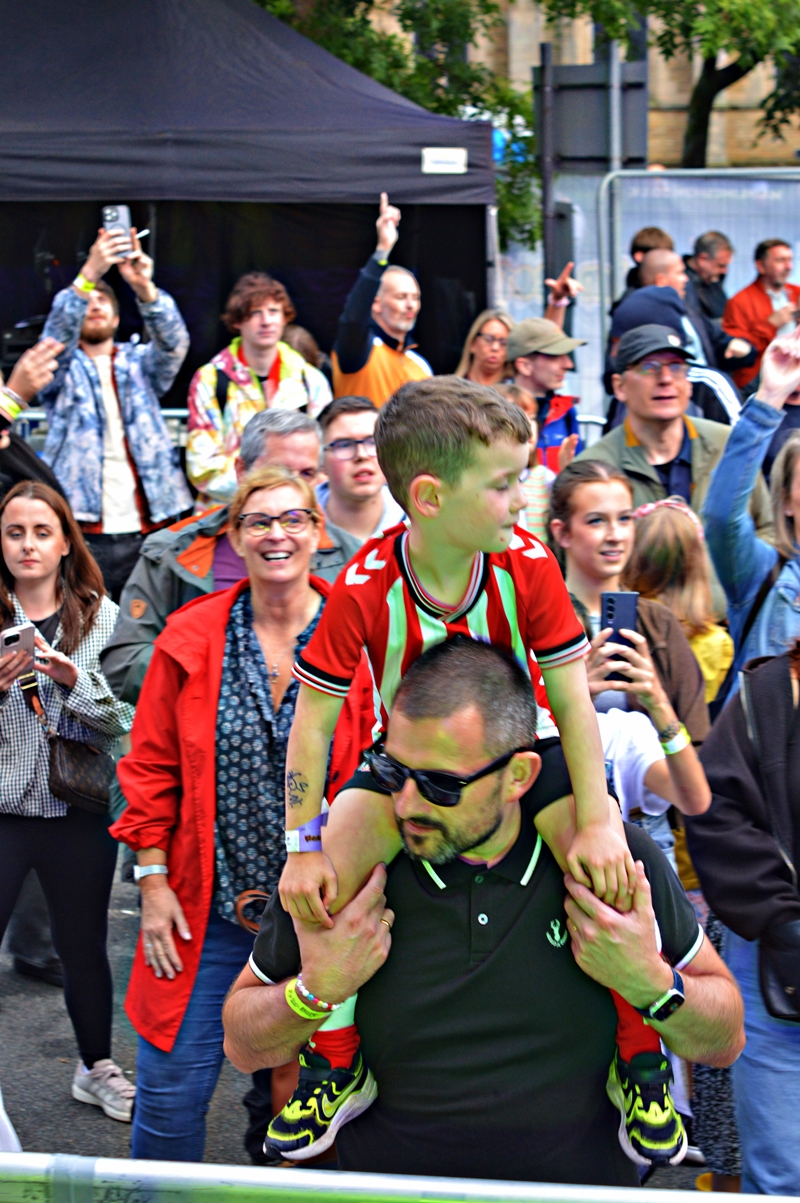
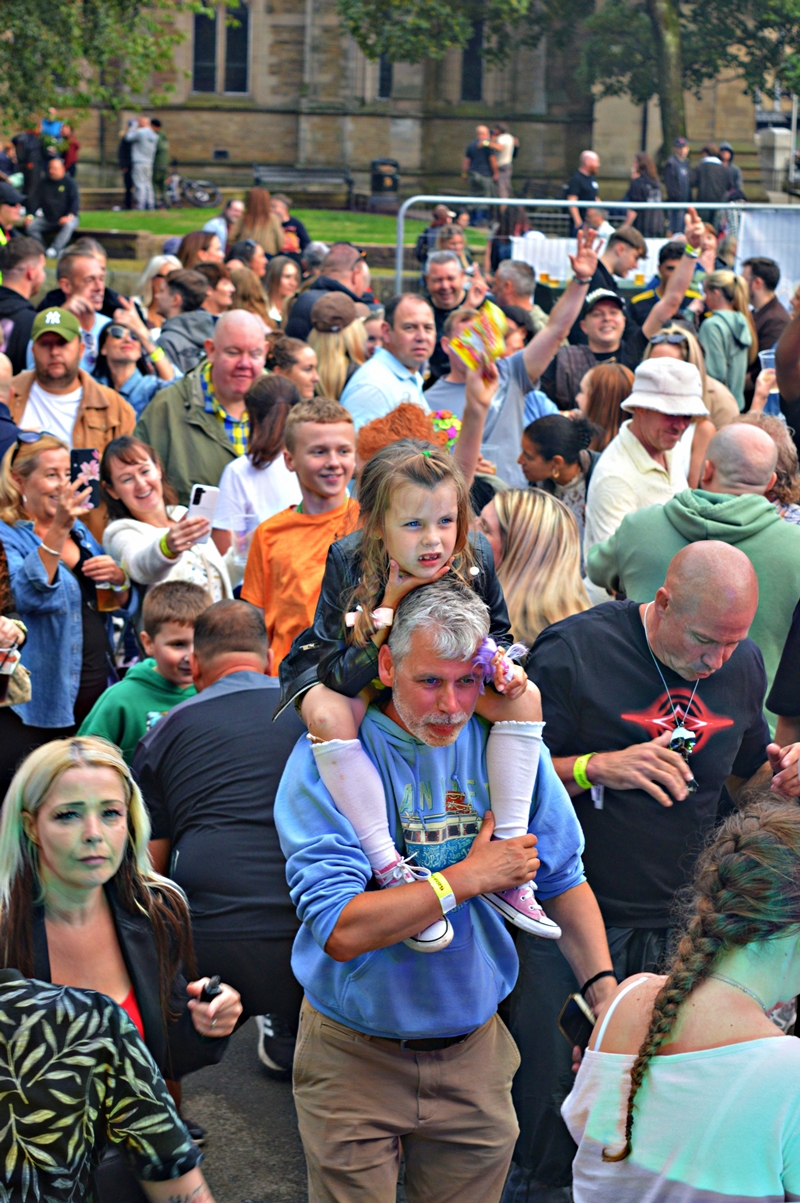
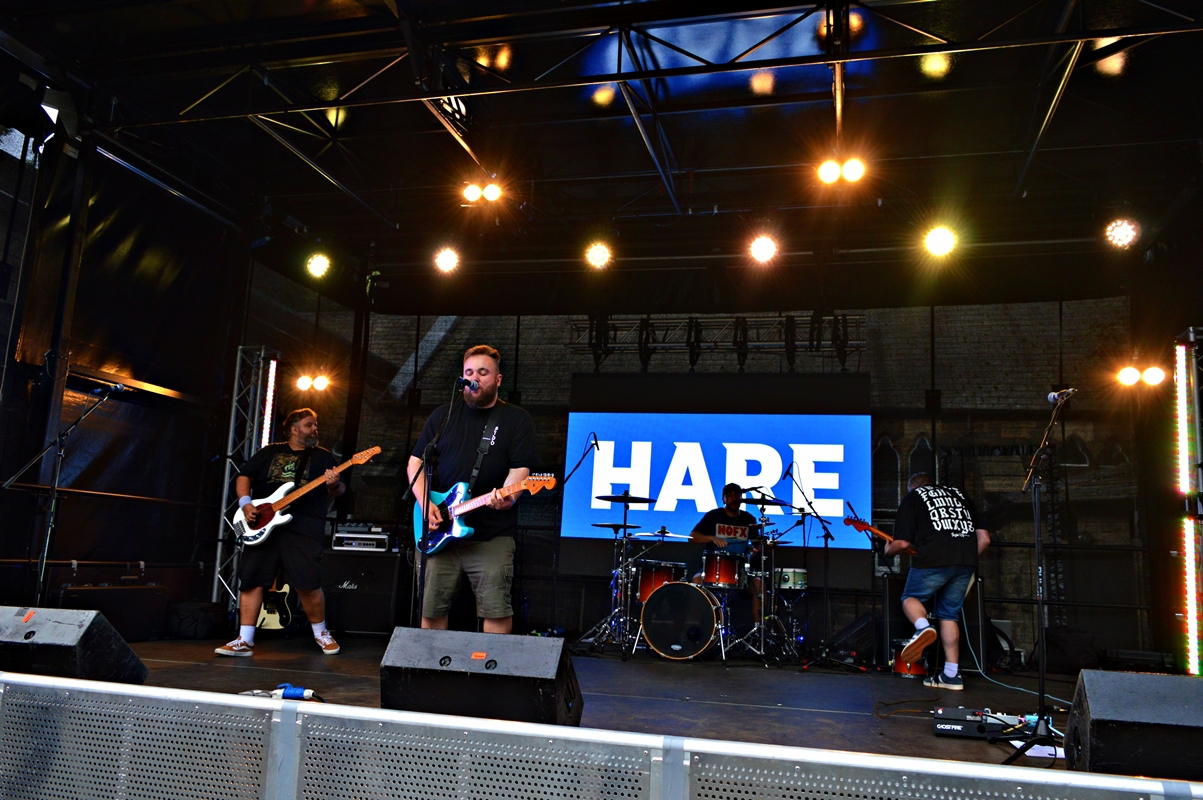
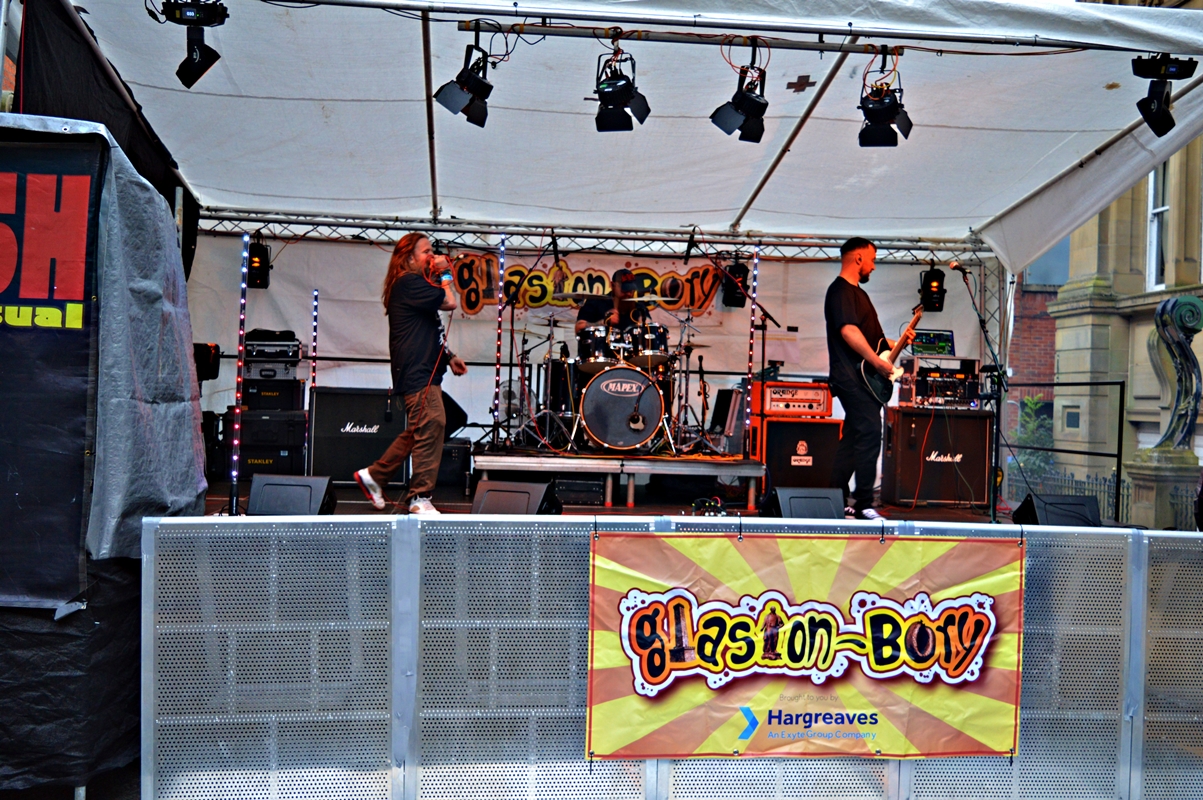
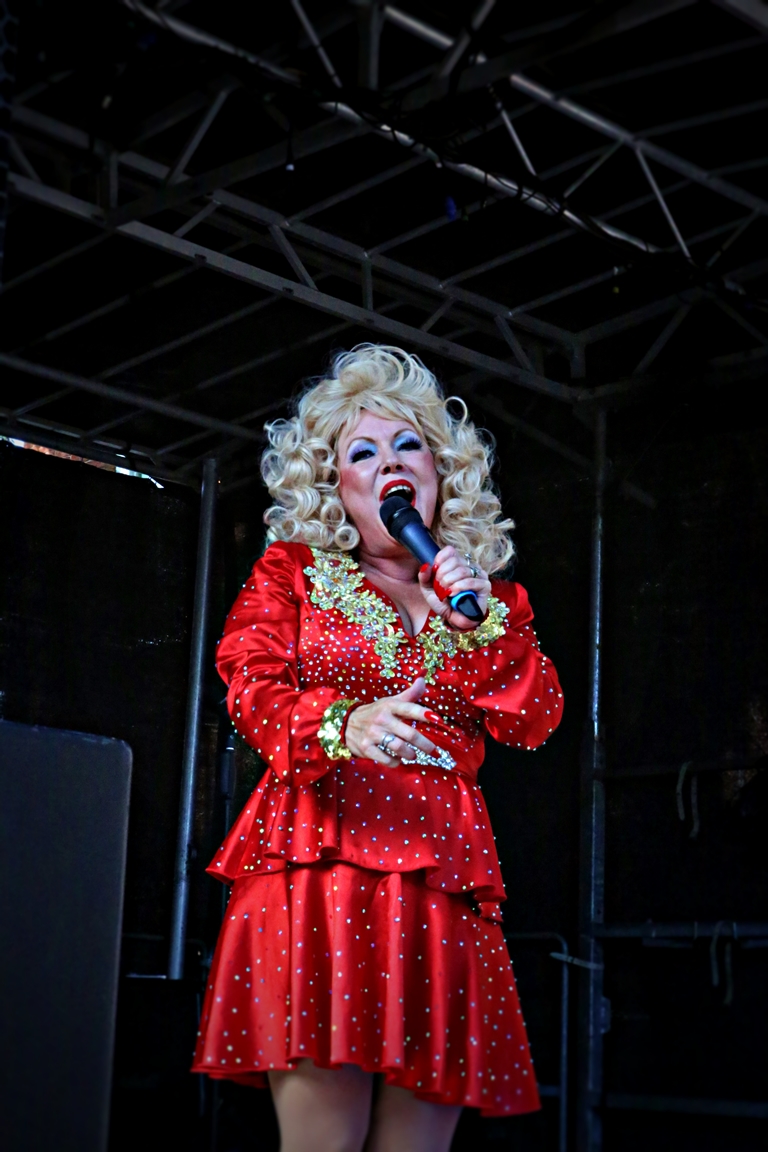
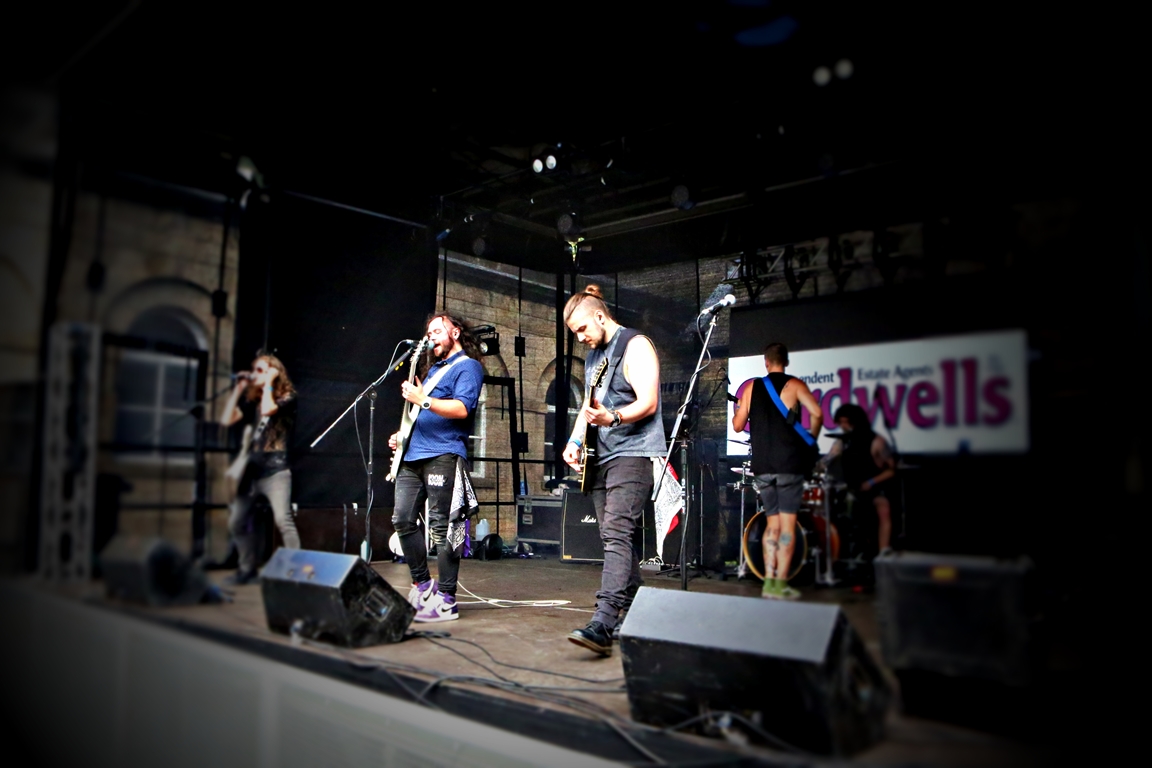
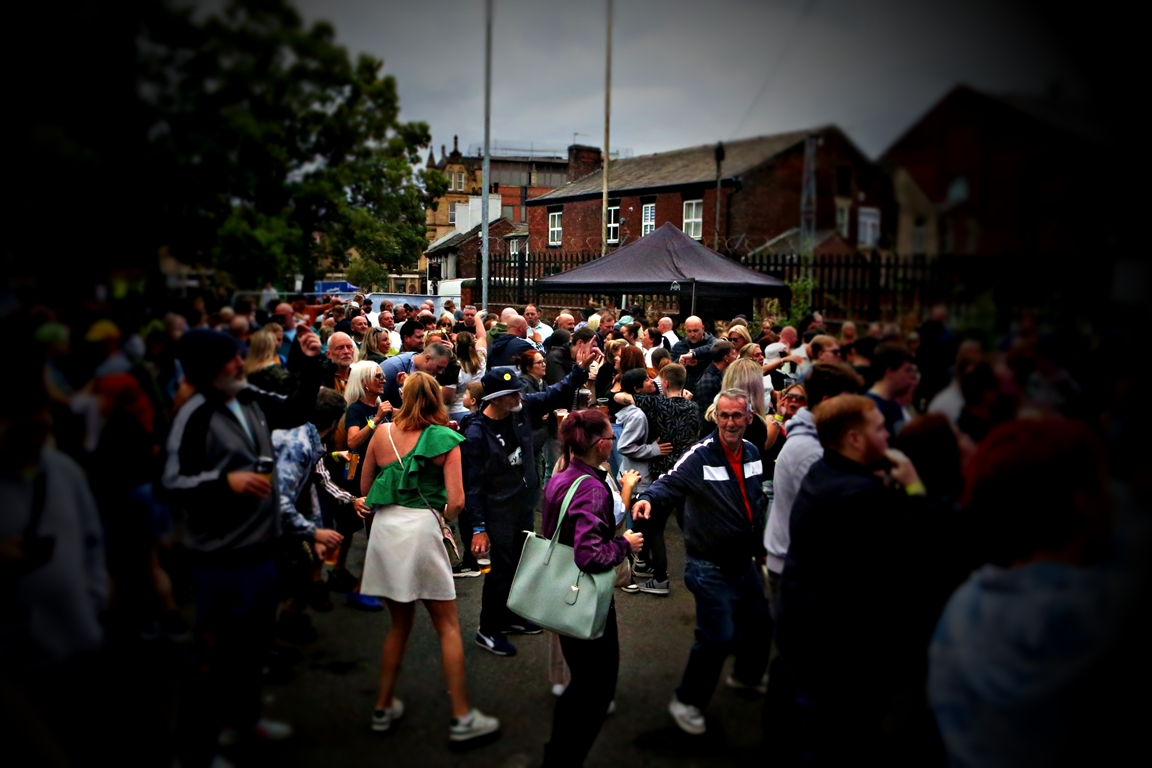
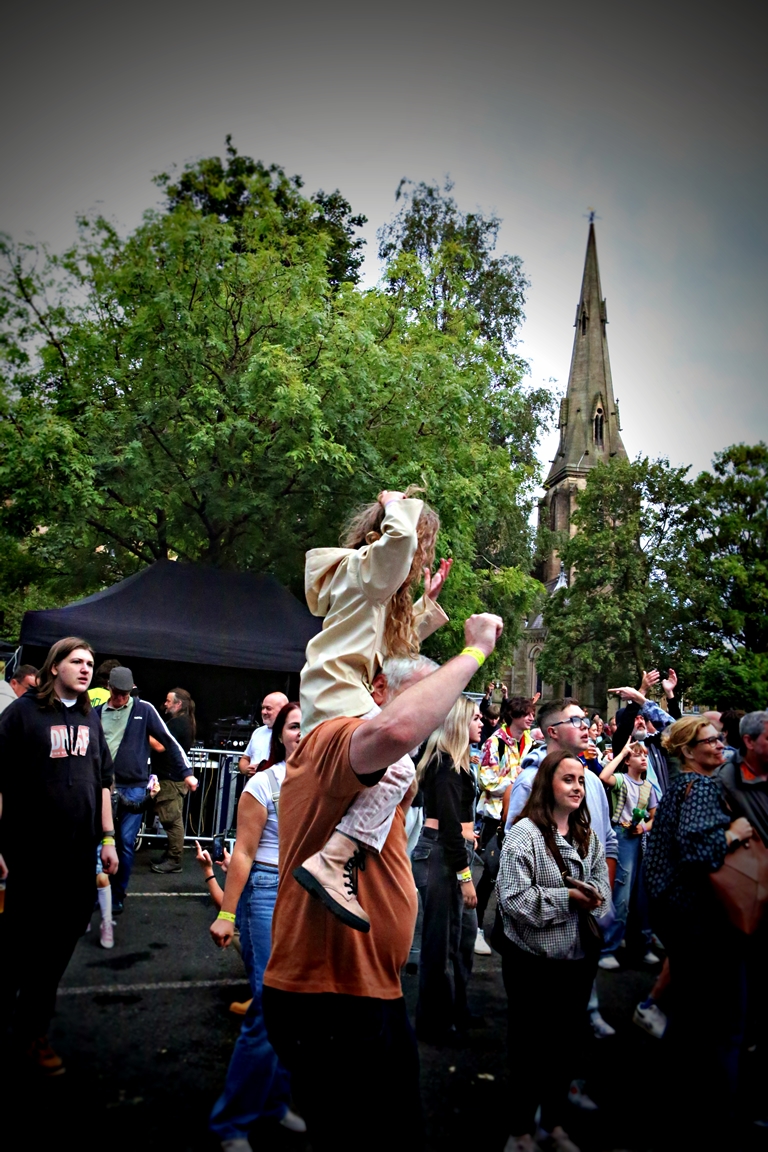
Glaston-Bury, however, took one look at that model and decided to borrow an entire town centre instead. More recent years have featured around 200 artists performing across as many as twenty stages and venues during a single day. You’re talking about hundreds of musicians, dozens of venues and stages, thousands of visitors, traders, volunteers, sponsors and technical teams, all operating across a live town centre rather than a fenced off festival field. Every performer needs to know where they’re playing, when they’re playing and what equipment is available when they arrive. Every venue has its own timetable, its own technical requirements and its own challenges. Then you have the small matter of keeping two hundred musicians fed, watered and pointed in the right direction throughout the day. Yet logistics alone don’t explain why Glaston-Bury works. Plenty of events can be organised efficiently, but what separates this one is the culture the organisers have built around it. The organisers have built something that people genuinely want to belong to. They’ve created an event where artists happily share stages, where volunteers gladly give up their Bank Holiday, where businesses open their doors in support and where thousands of people come together to celebrate live music whilst raising vital funds for Bury Hospice. That’s no small achievement in any era. In the current climate where grass roots venues are disappearing and community events face increasing challenges, it feels even more remarkable.
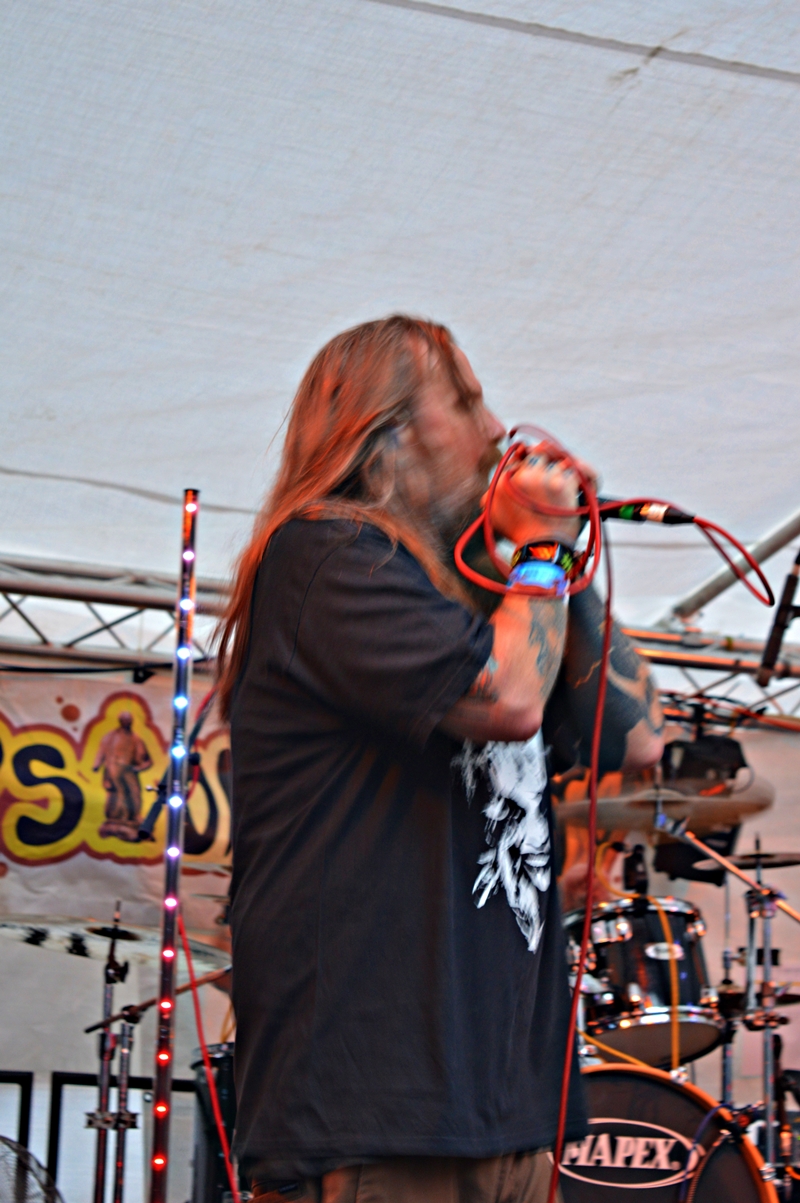

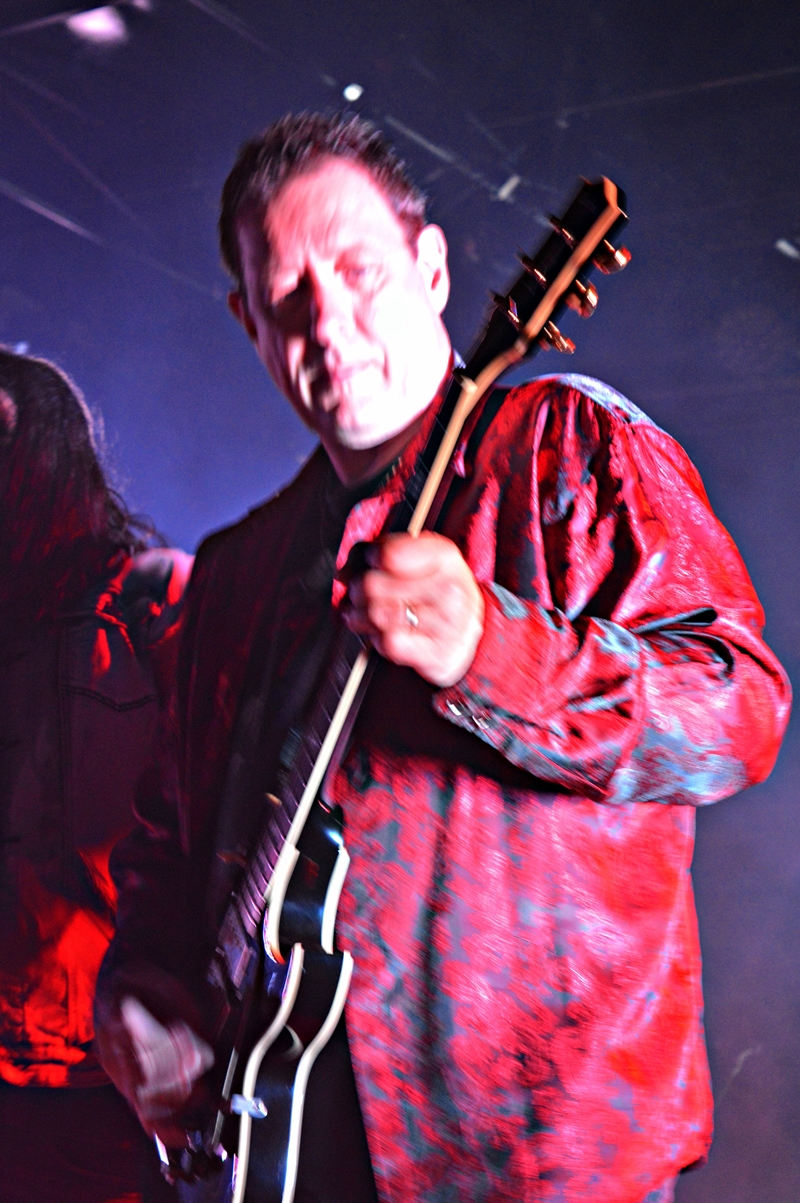
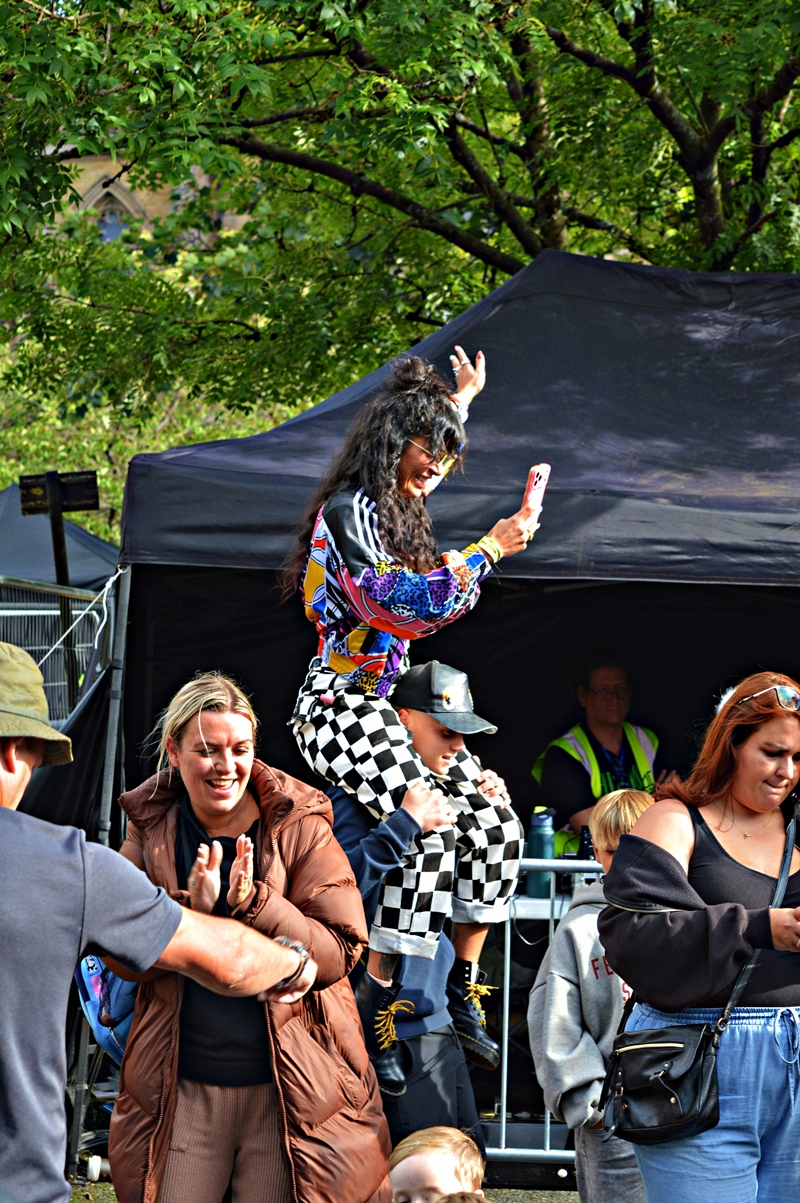
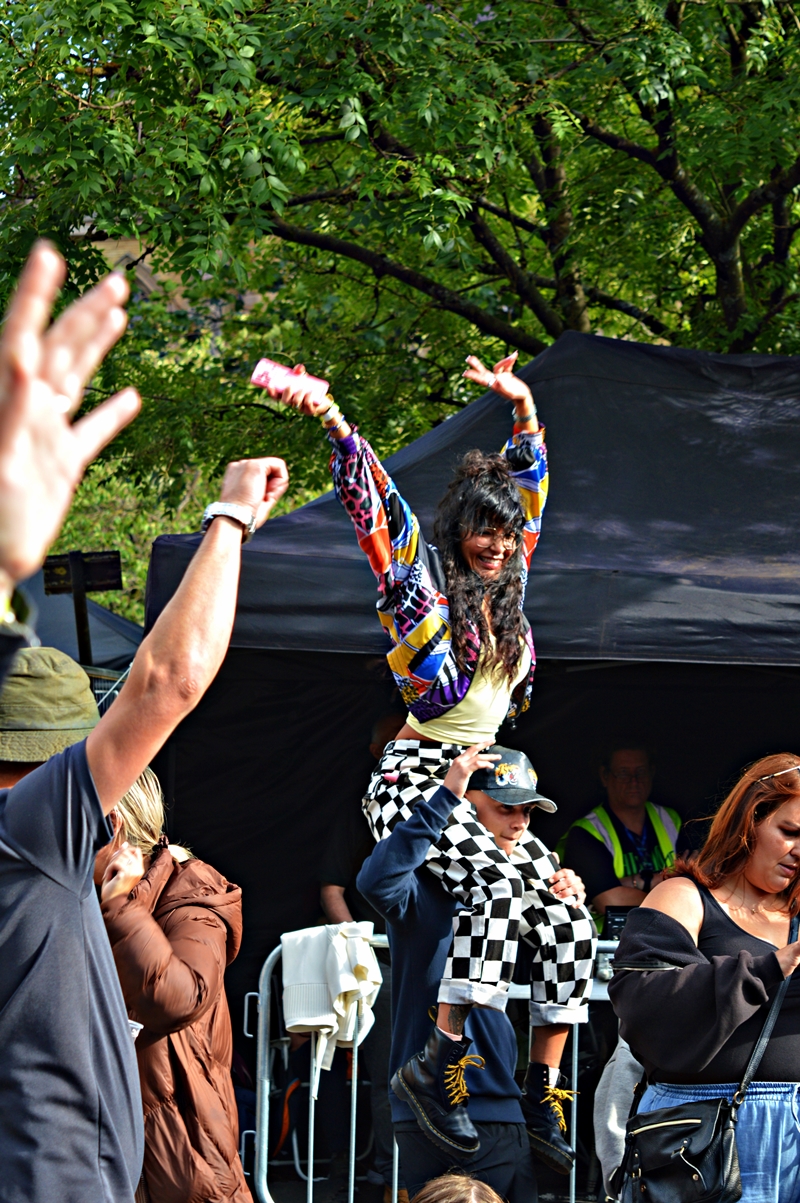
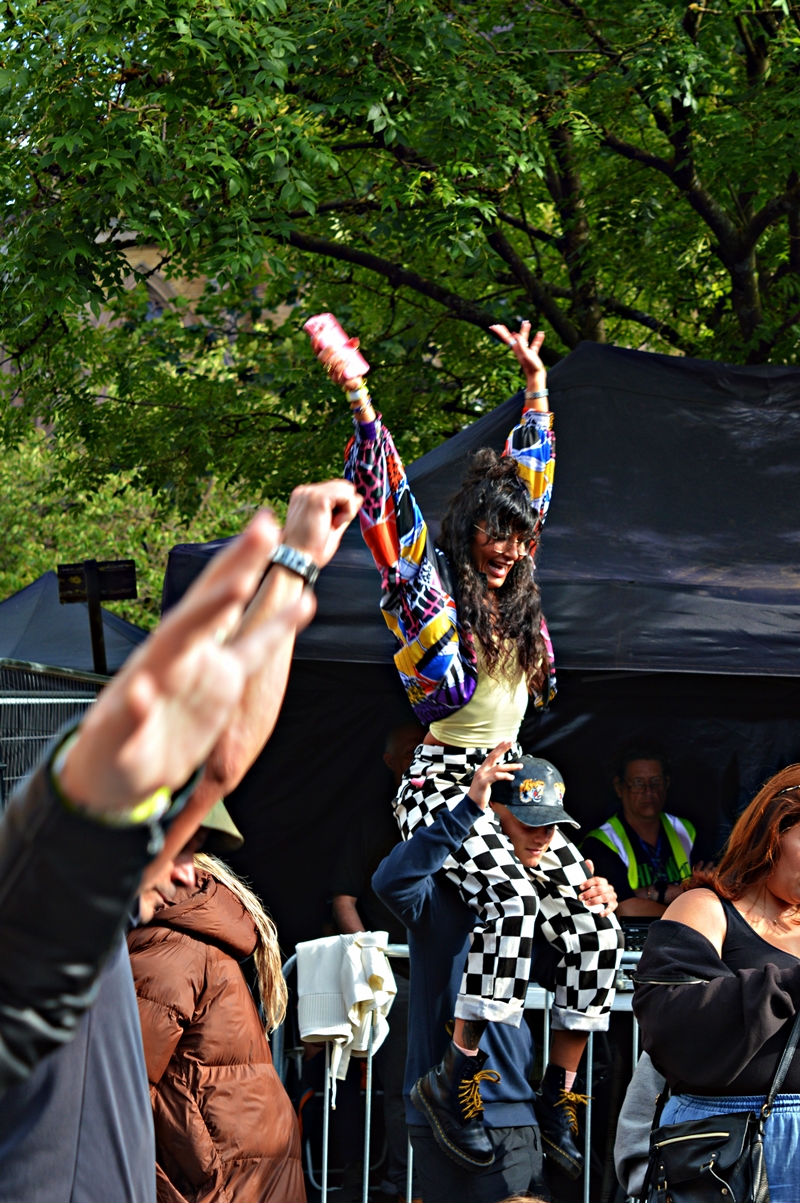
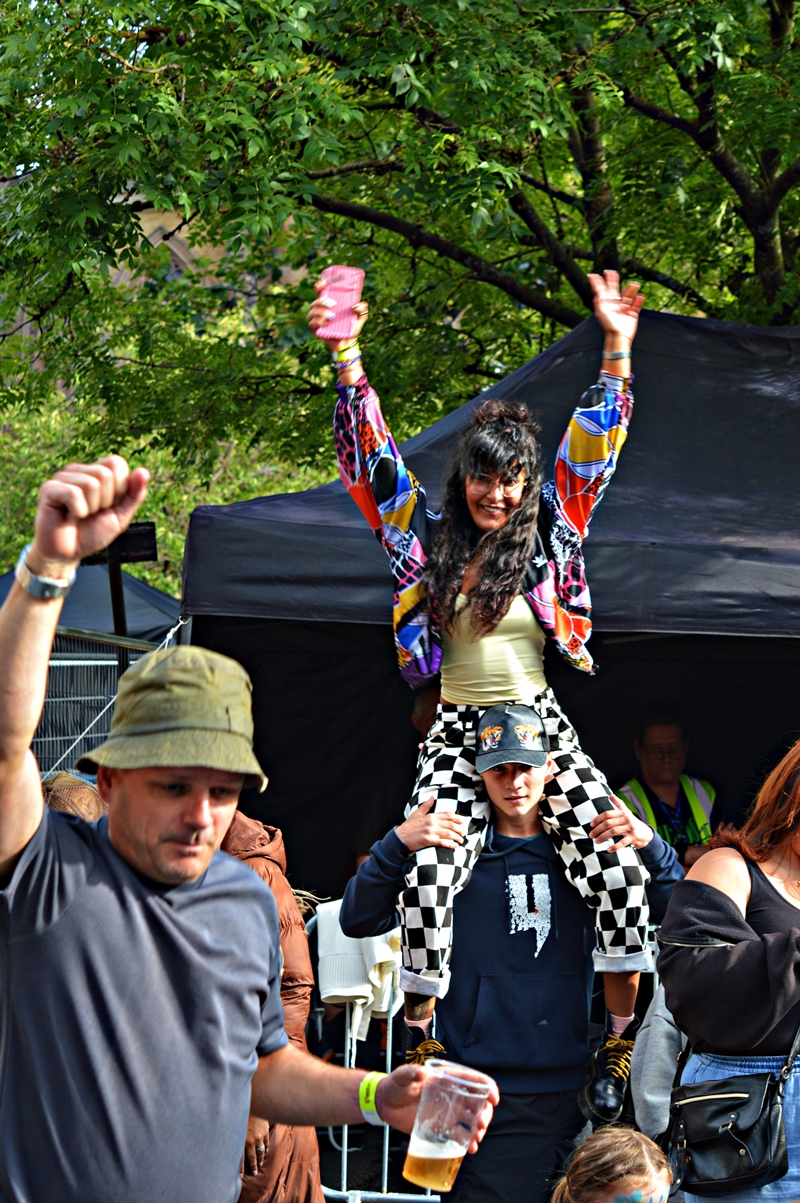
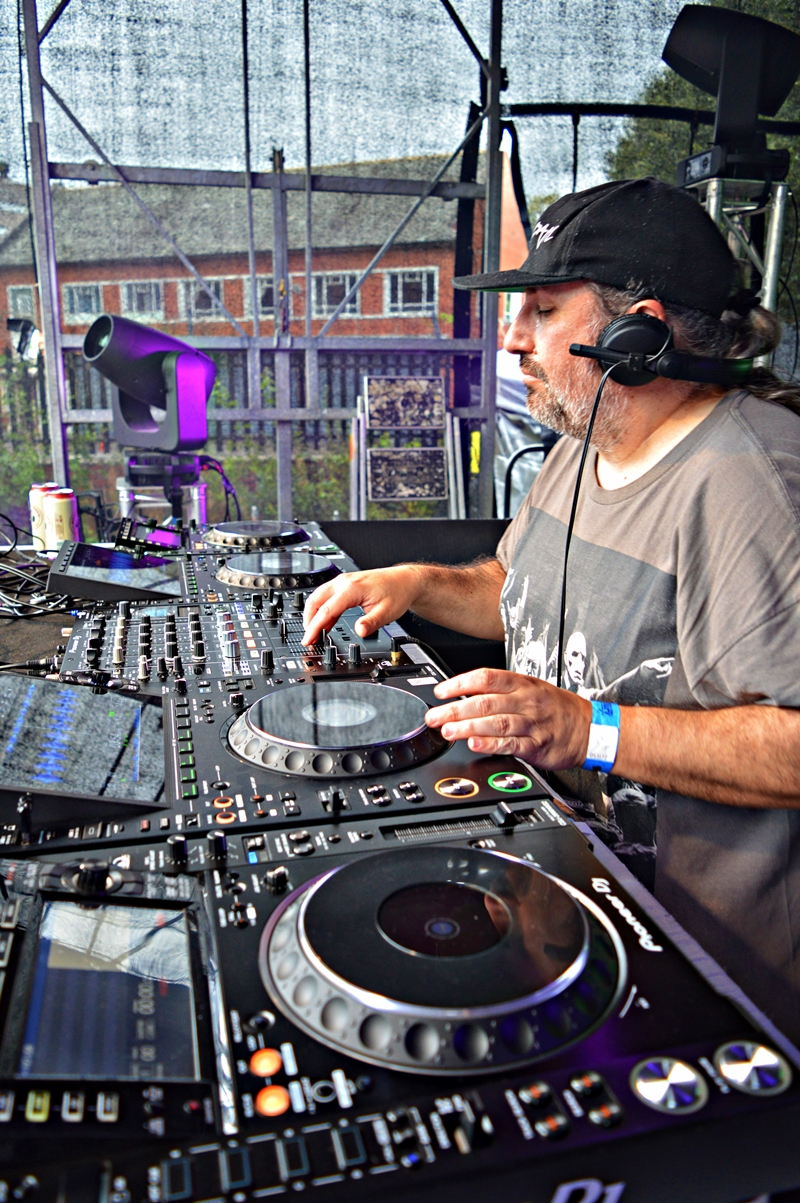
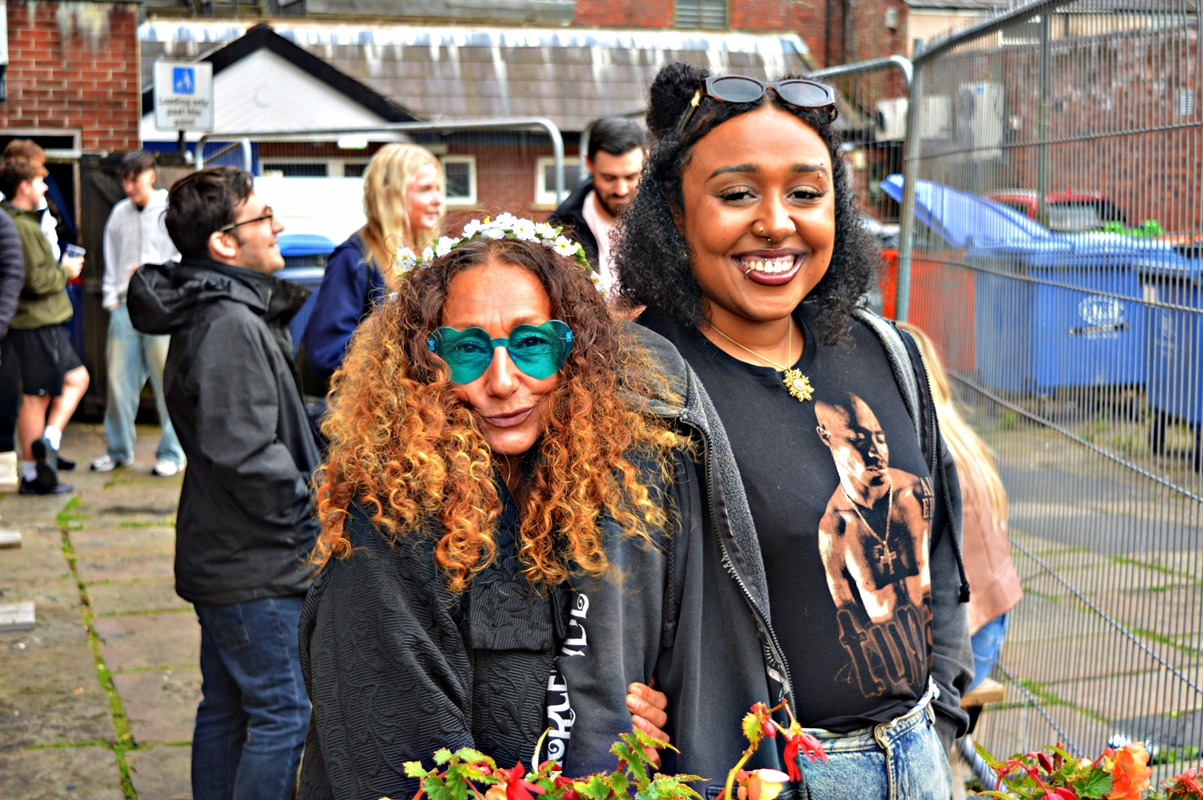
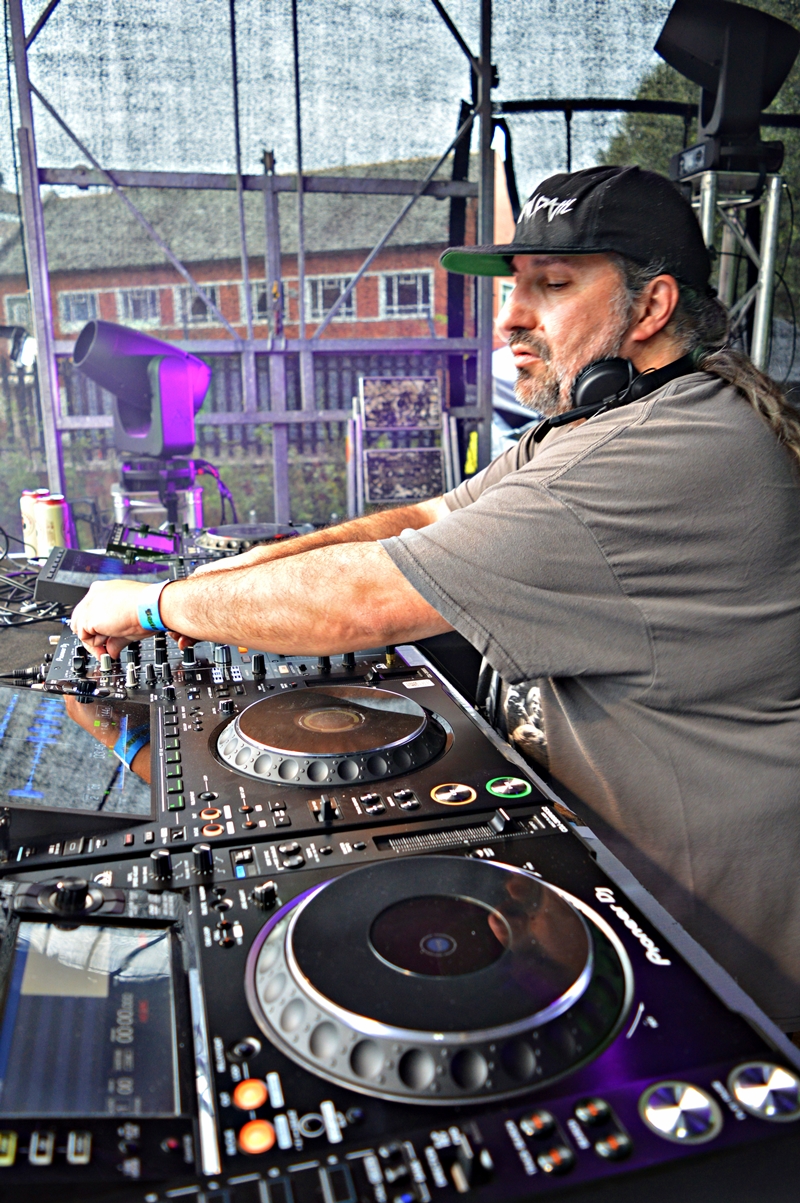
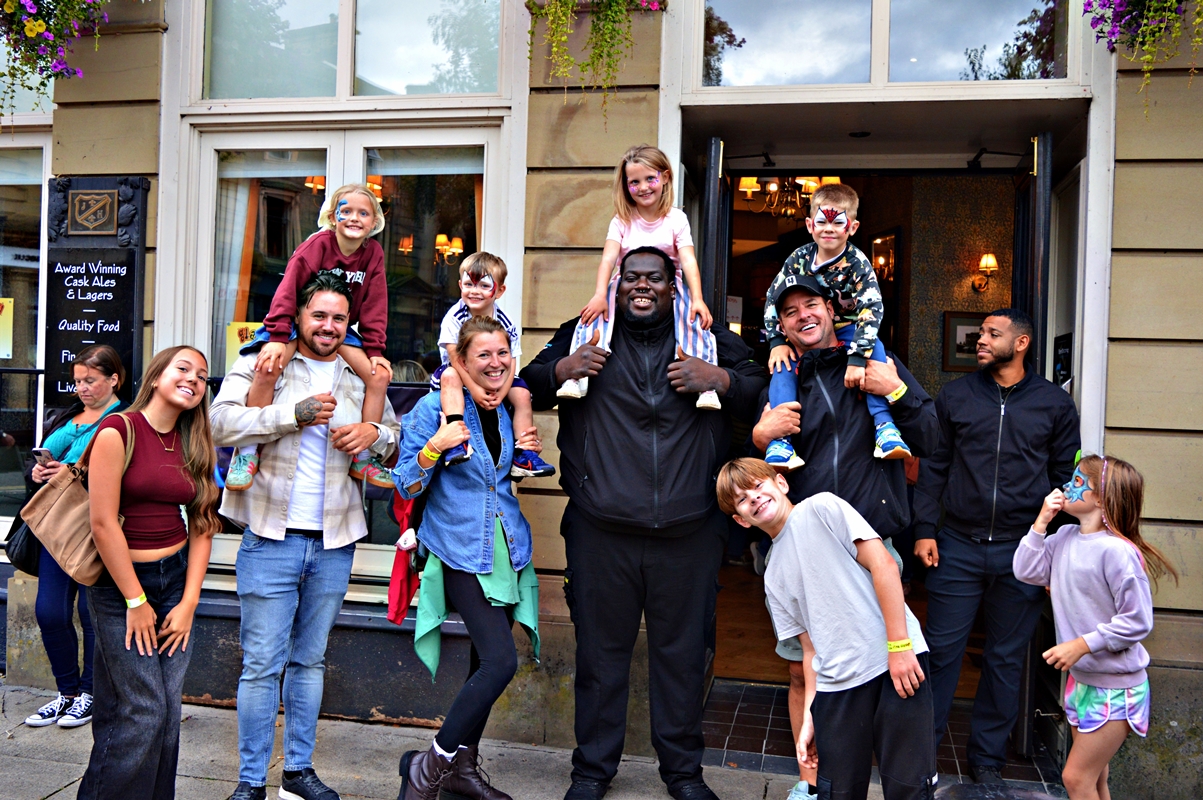
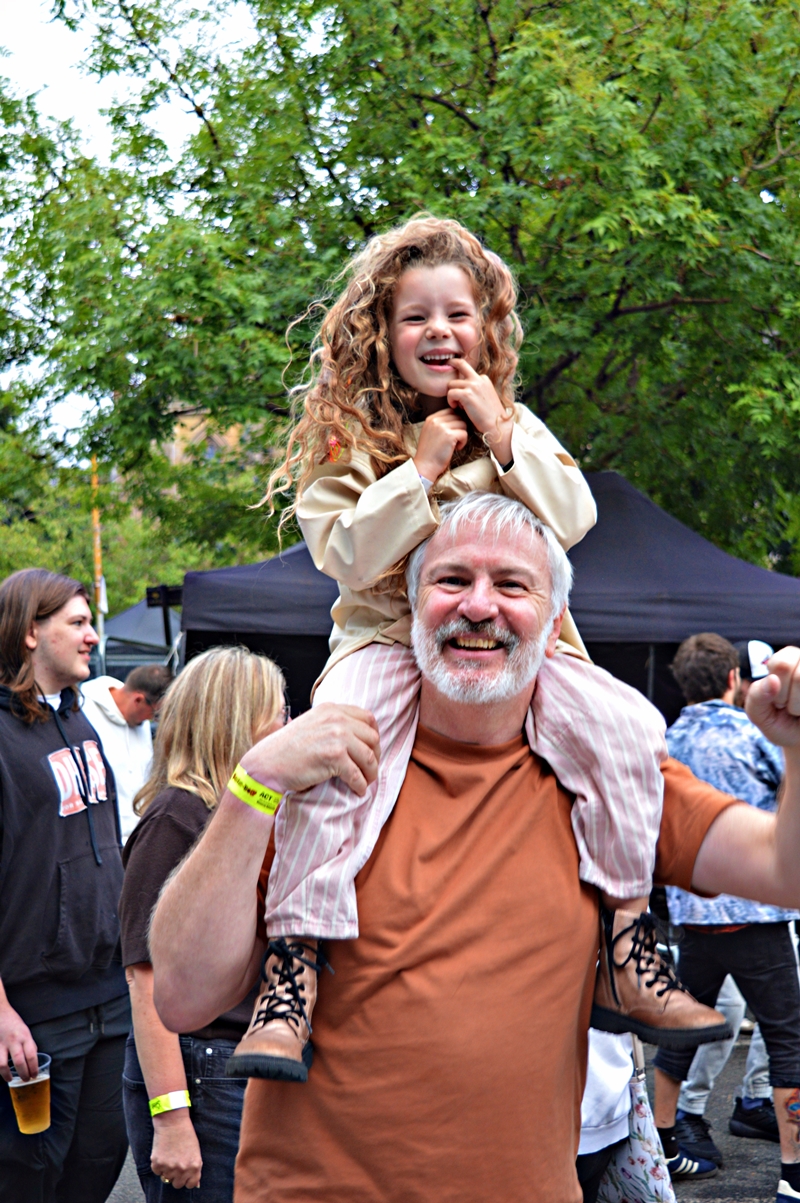
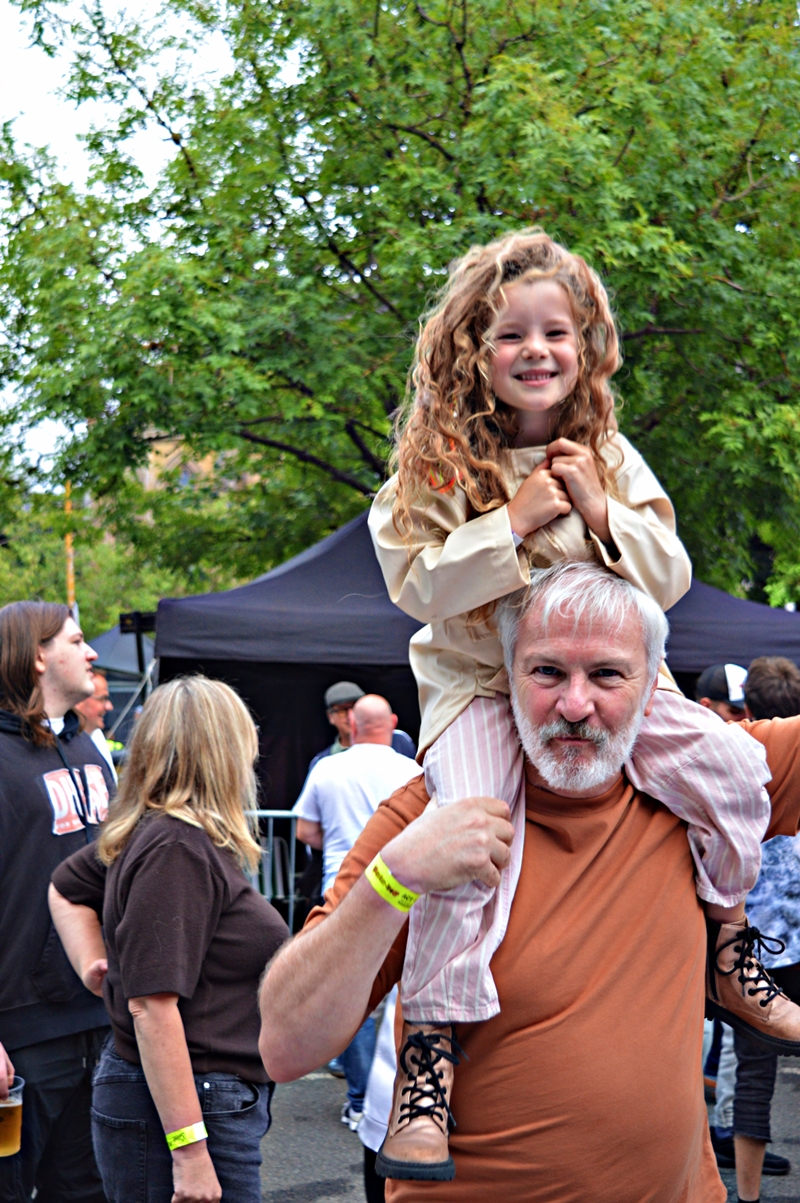
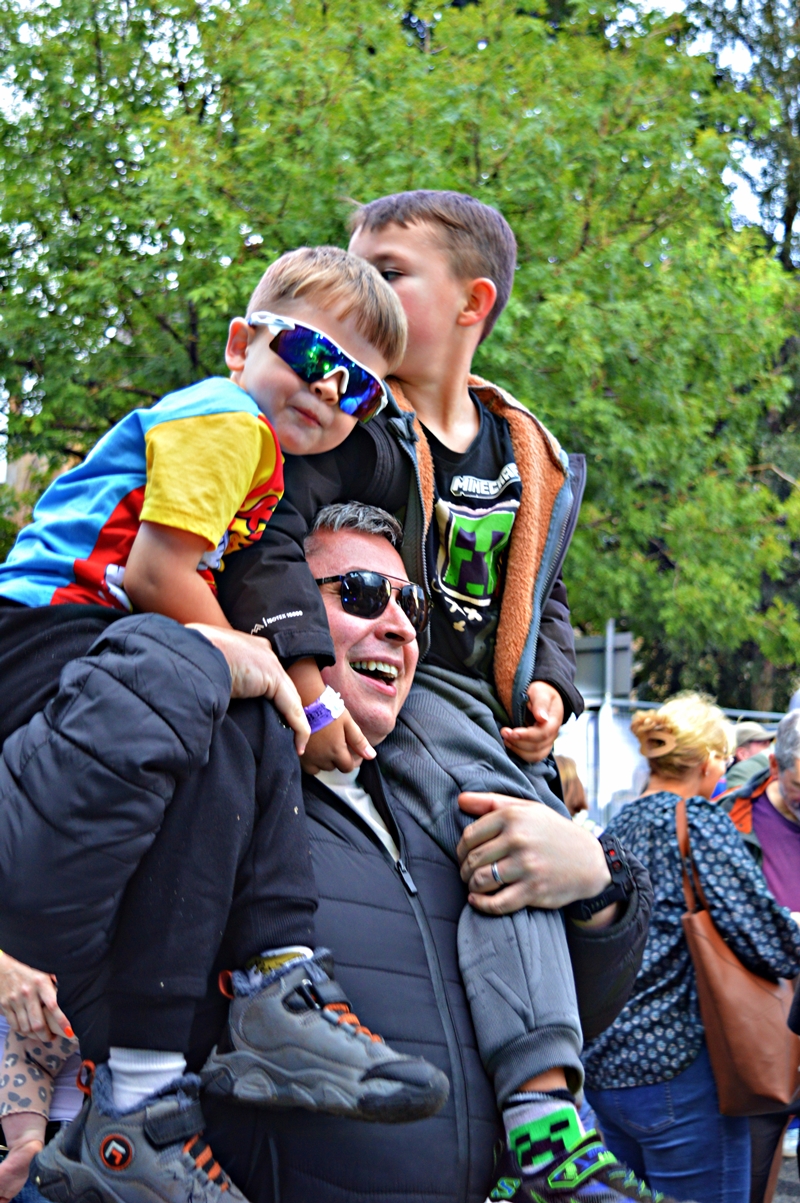
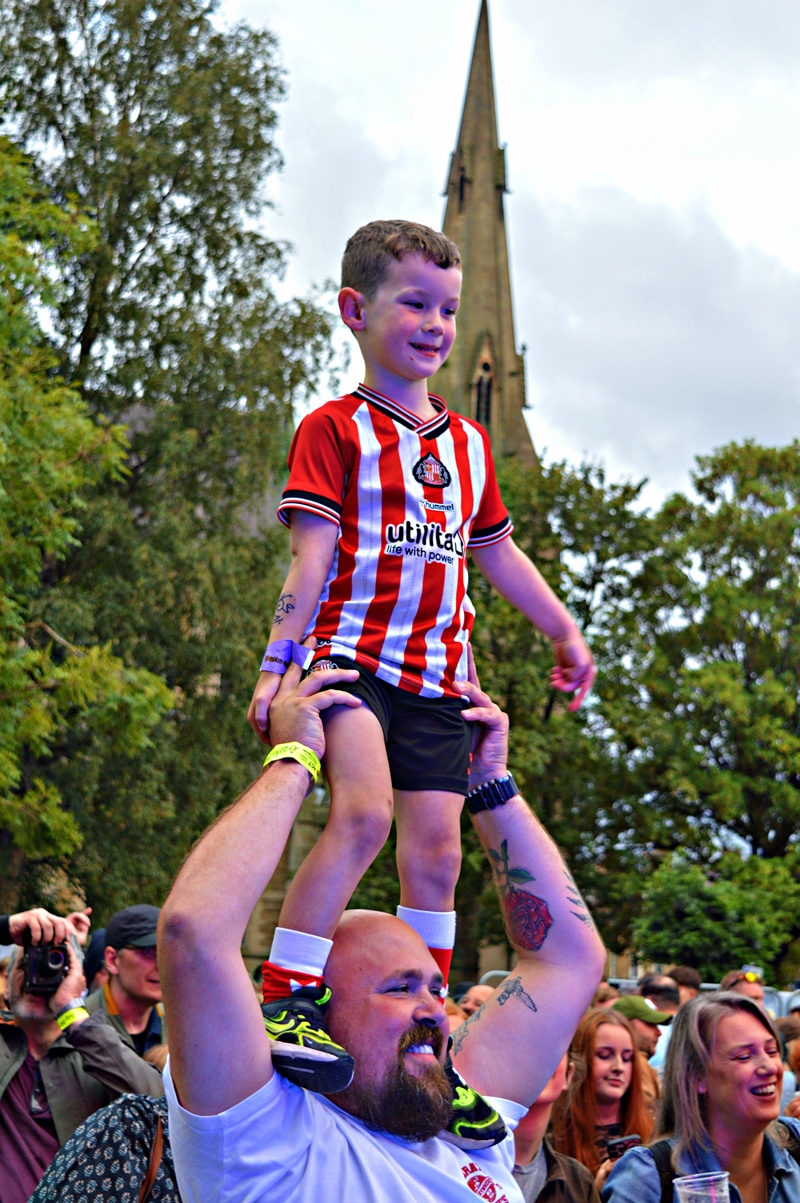
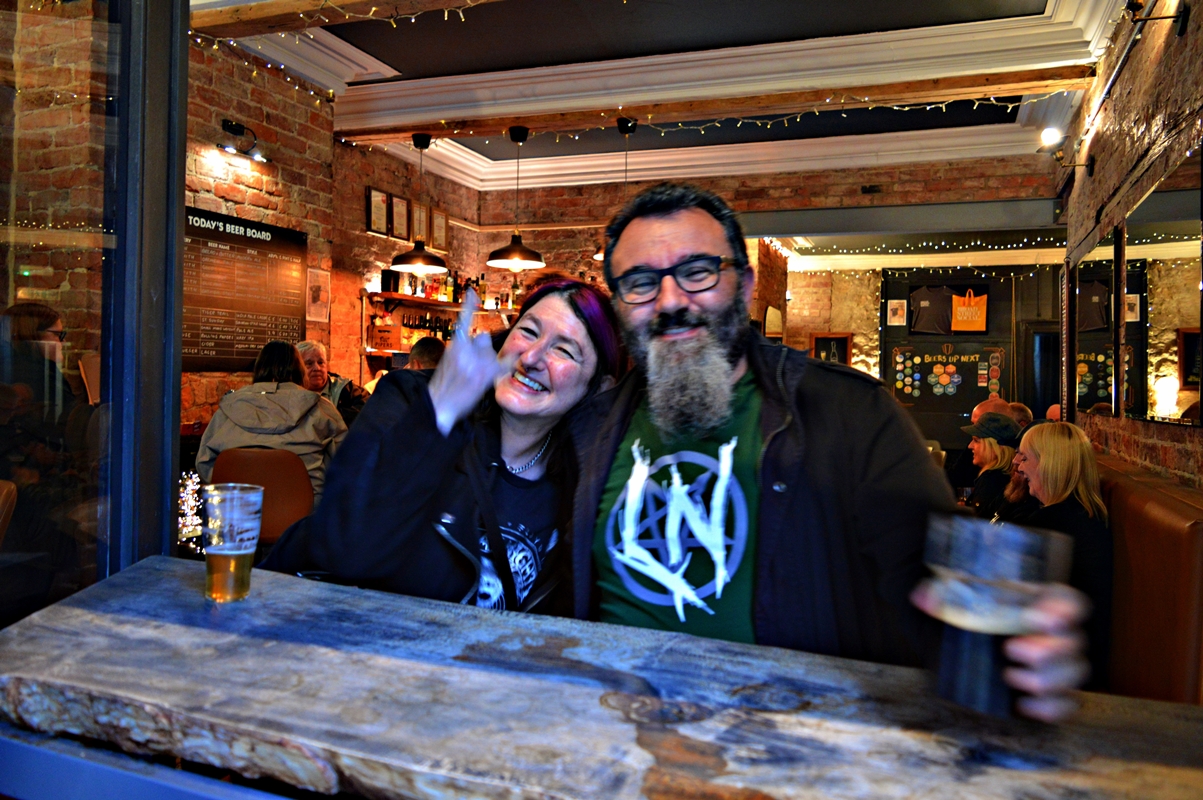
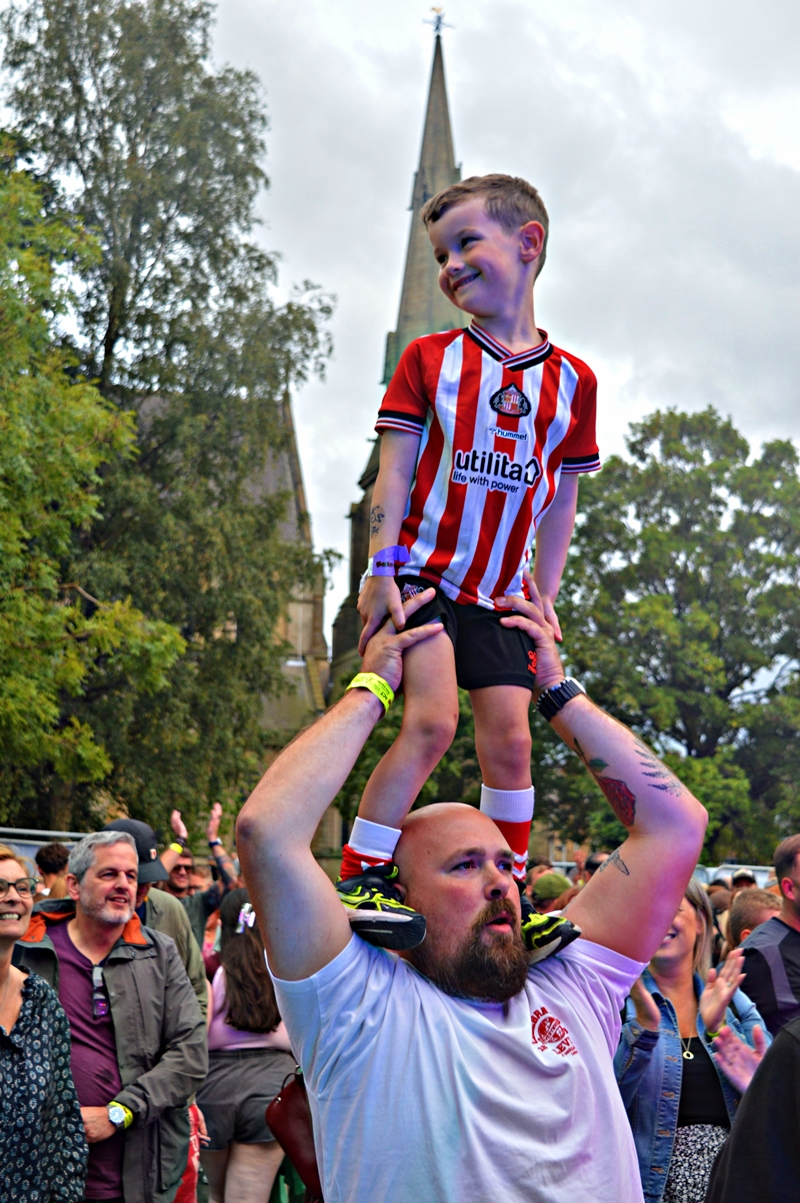
Glaston-Bury stands as a reminder of what can still be achieved through hard work, determination and an incredible amount of goodwill. What started as a simple idea in a single venue has grown into one of the North West’s most remarkable grass roots success stories, raising hundreds of thousands of pounds for good causes whilst transforming Bury town centre into a thriving musical playground for one day every year. Maybe that’s why it remains so special? Not because of the number of stages. Not because of the hundreds of acts. Not even because of the impressive fundraising totals. Maybe it remains special because nineteen years later it still feels like it belongs to the people of Bury, and perhaps that’s what I was reminded of most while photographing this year’s event. Watching volunteers steering visitors towards venues and audiences discovering new favourite bands around every corner.

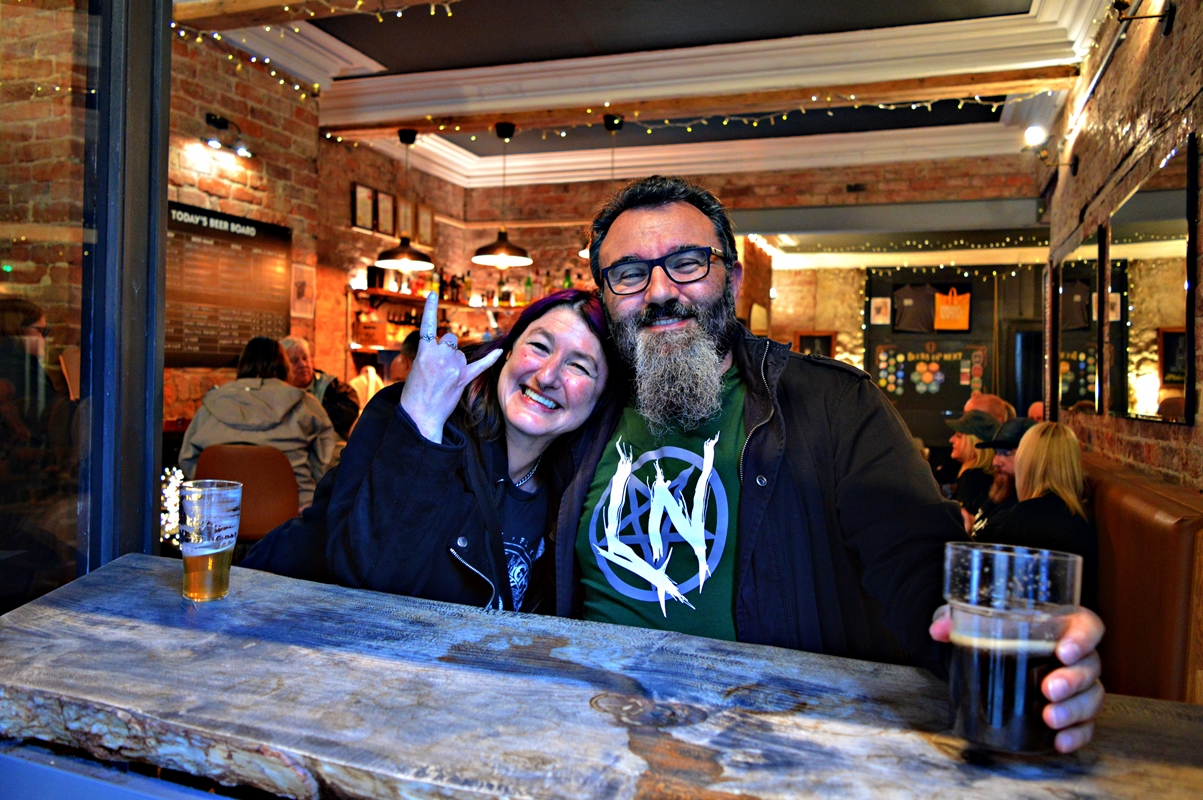
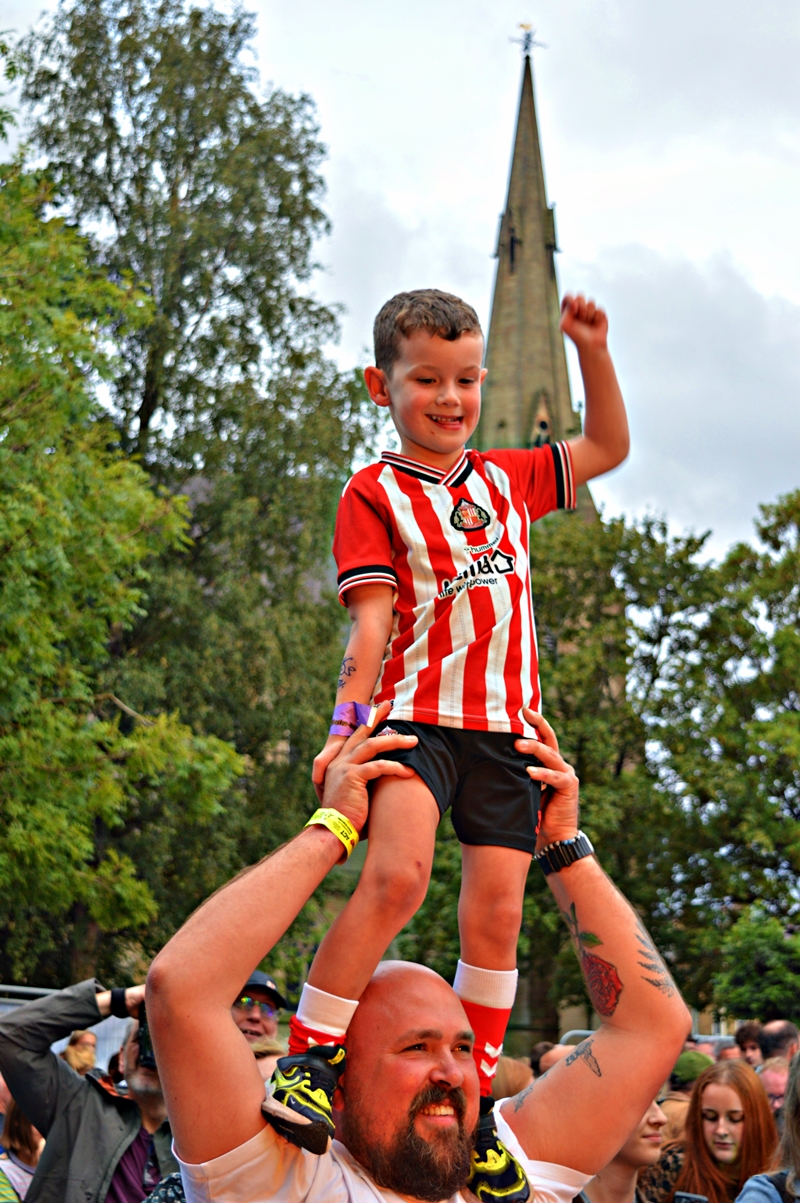
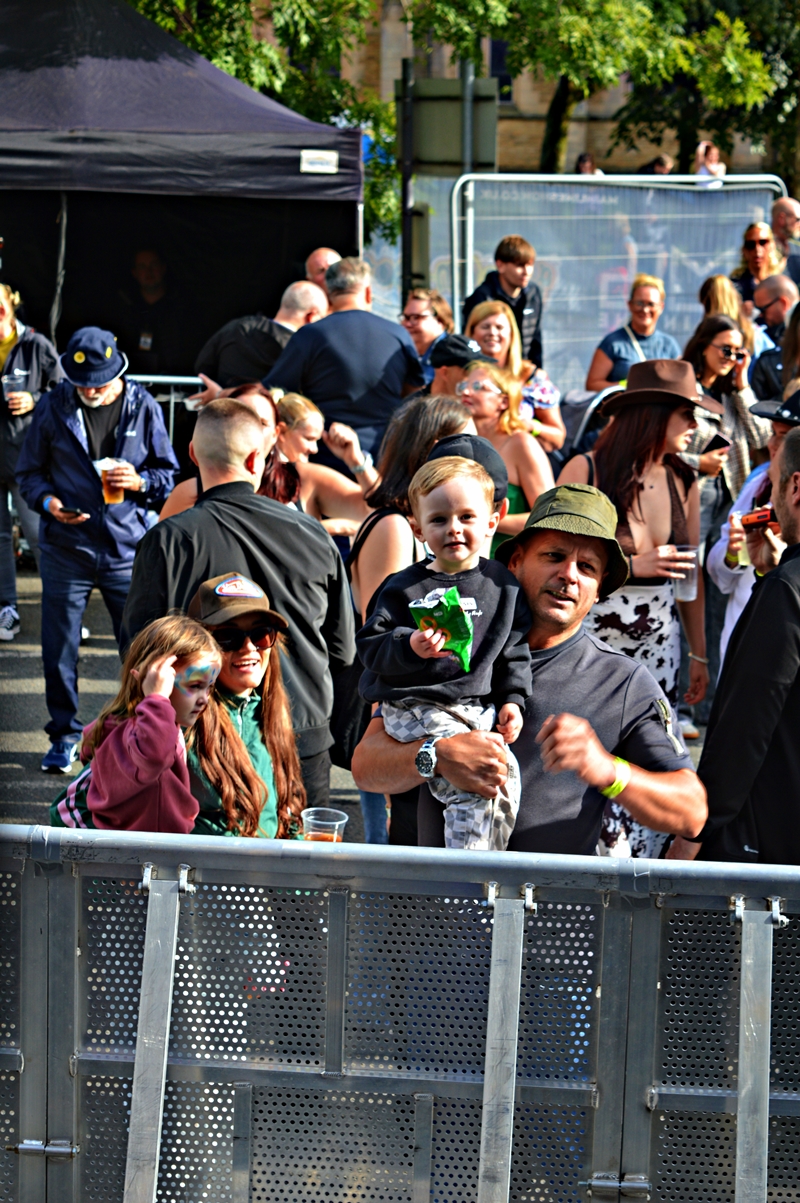
Since its launch, Glaston-Bury has raised more than £300,000 for Bury Hospice and other local charities, an extraordinary achievement for an independently organised, volunteer-driven event, but the festival’s impact extends far beyond financial contributions. Each year, local businesses benefit from increased footfall. Independent venues gain exposure to new audiences. Emerging artists receive opportunities to perform in front of larger crowds, potentially gaining new fans and followers in the process. Community groups are able to engage directly with the public, so in many ways, Glaston-Bury functions as both a cultural and economic boost for the town. While visitors come for the music, many leave with a renewed appreciation for what Bury has to offer. There’s probably another reason why the atmosphere feels different too. Glaston-Bury takes place on the final Bank Holiday of the year, that last throw of the dice before summer disappears into a blur of darker mornings, wet windscreens and Christmas adverts appearing far too early. People have one last long weekend to spend somewhere special, and judging by the crowds filling every venue, thousands have decided that somewhere is Bury. Not because they’re obliged to be there, but because over nineteen years Glaston-Bury has become part of how many people choose to celebrate the end of summer.
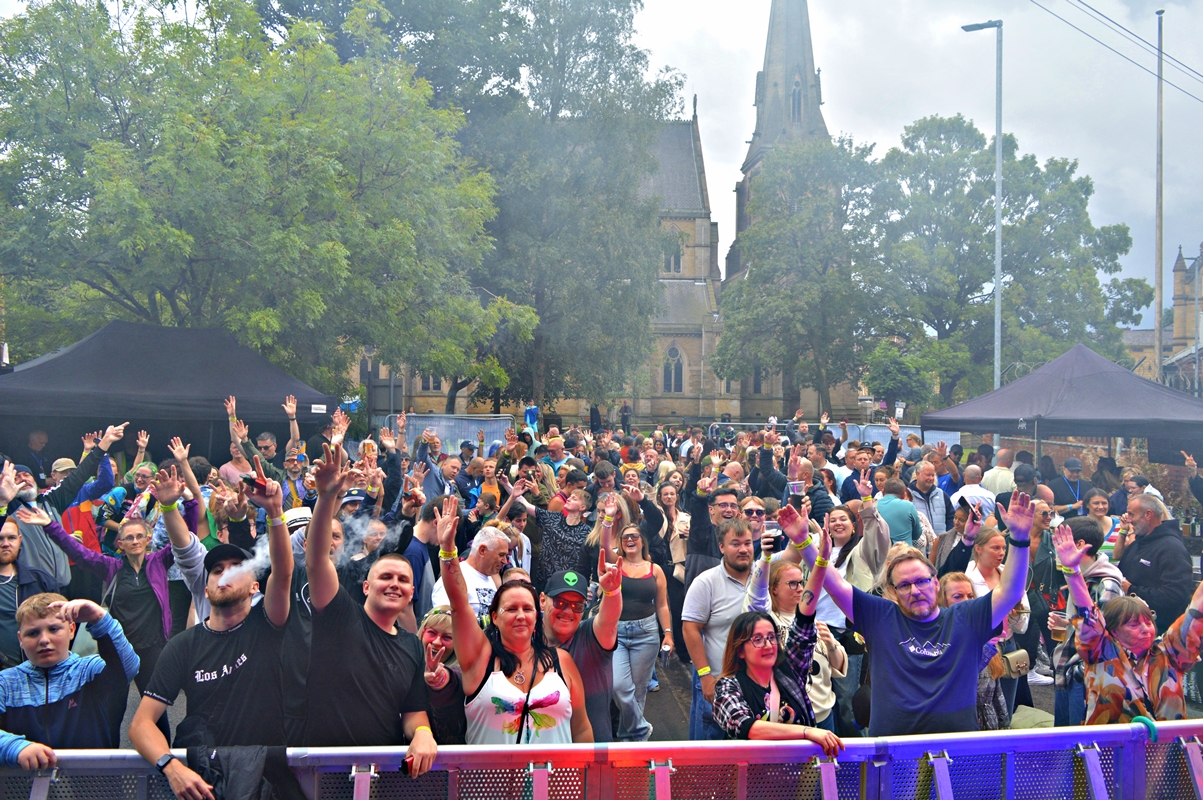
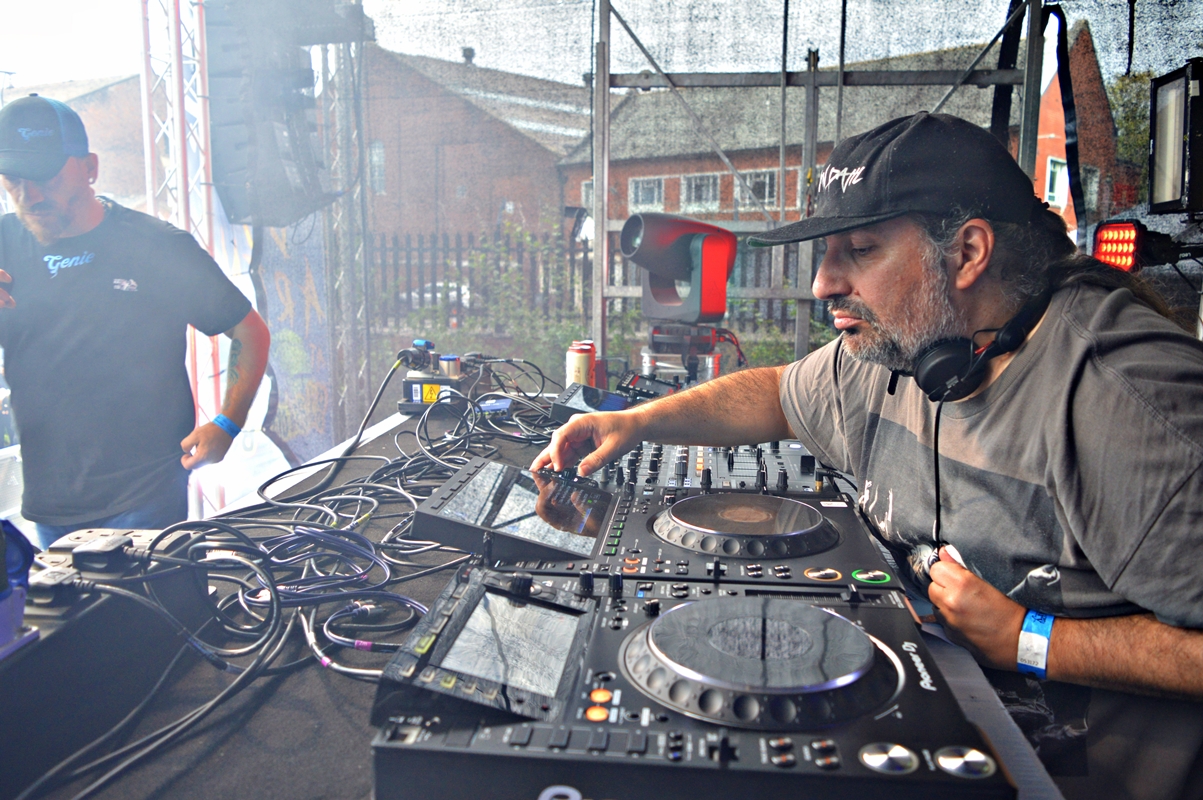
By the time the last guitar case is loaded into a van and the final venue switches off its lights, Bury quietly returns to being Bury again. The stages disappear. The crowds drift home. The sound systems are packed away. Yet somehow, every August Bank Holiday, the town proves once more that live music, community spirit and a slightly ridiculous amount of hard work can still achieve something extraordinary. Nineteen years after Bucko first thought that getting a few musicians together might raise some money for charity, that story is still being written.






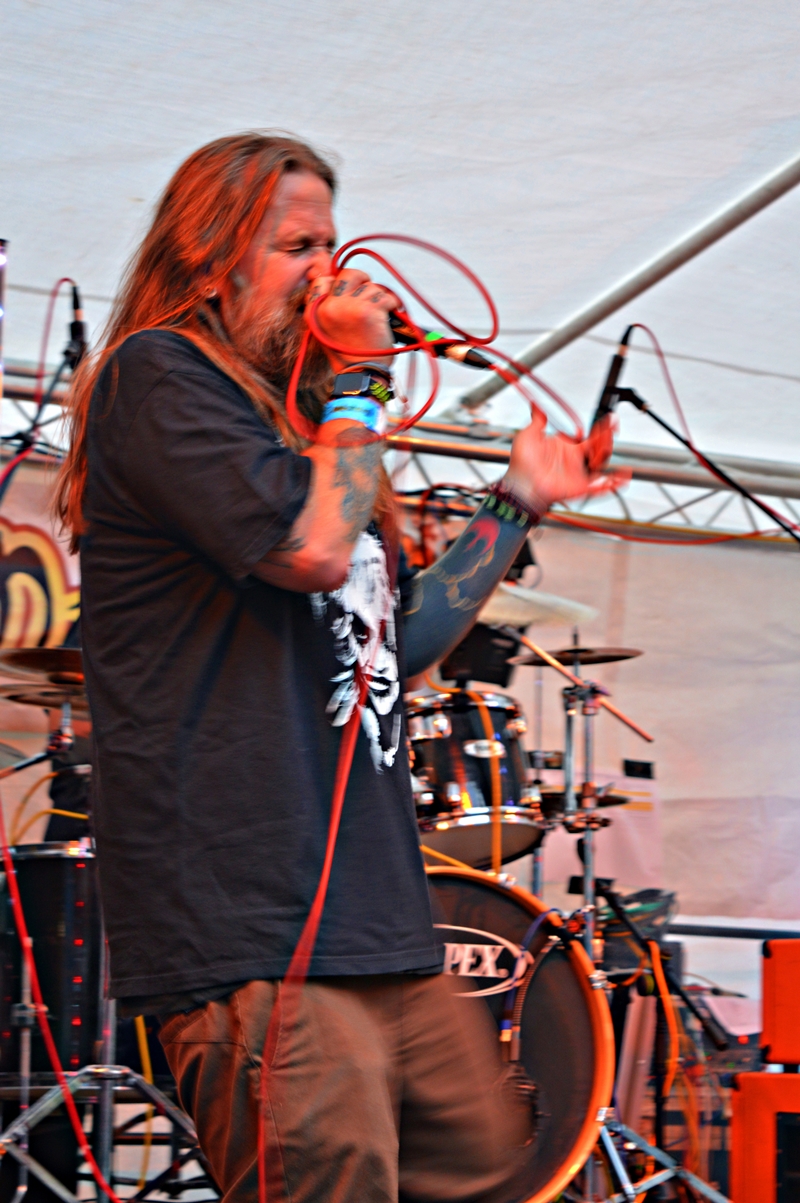



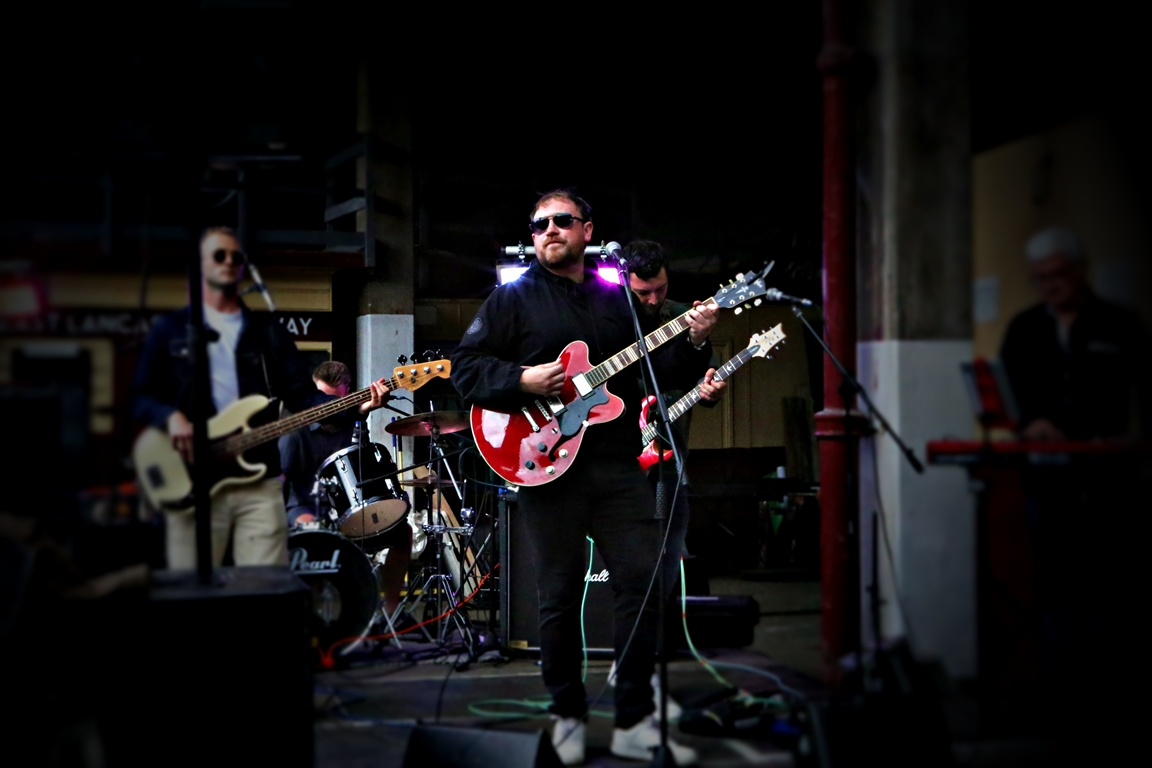
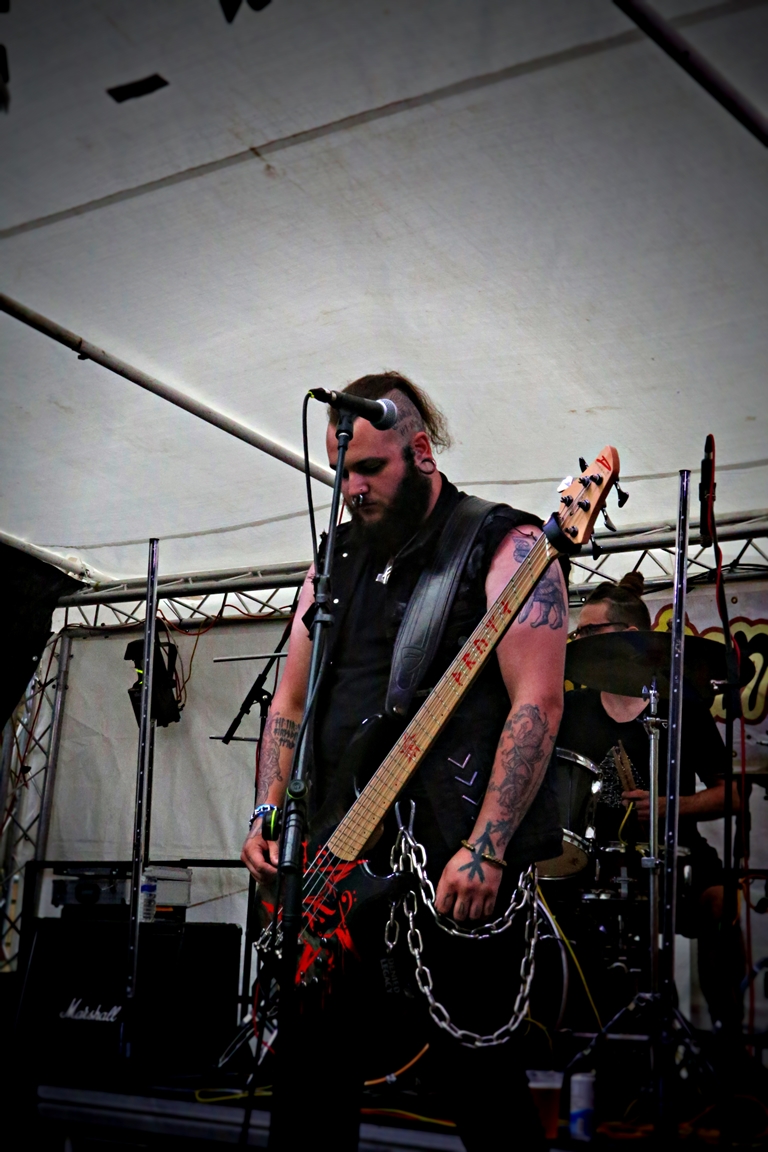
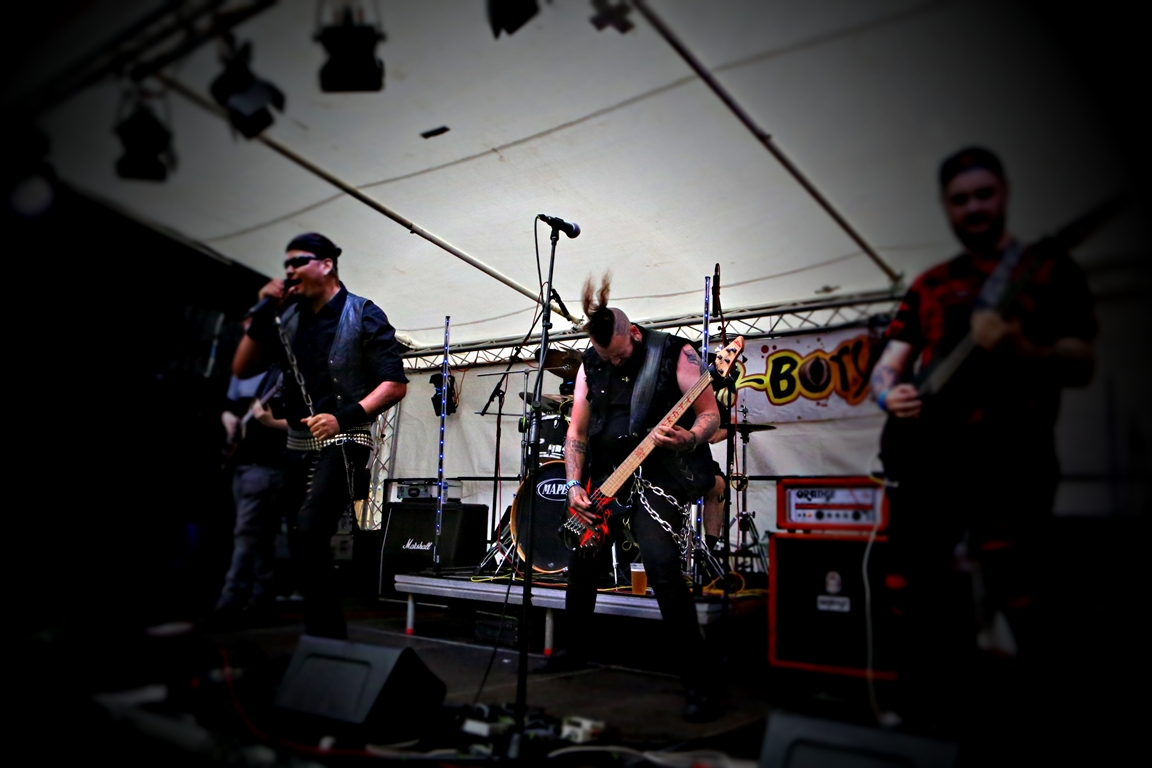
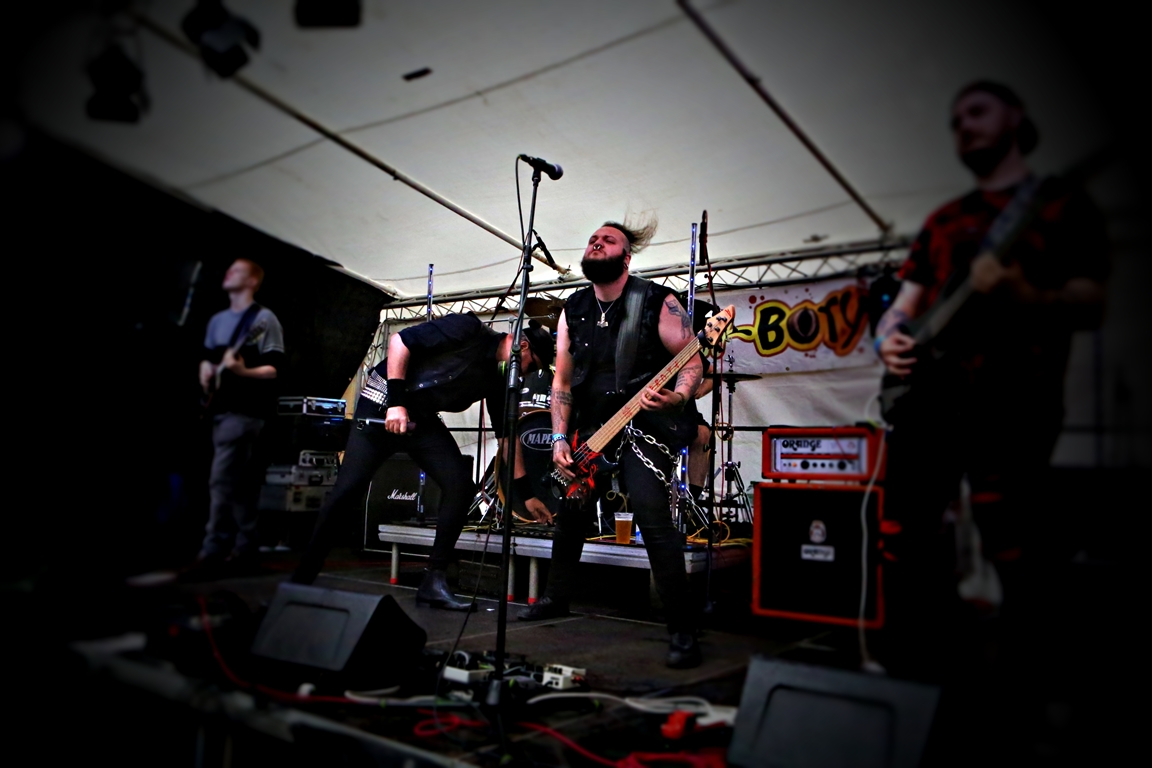
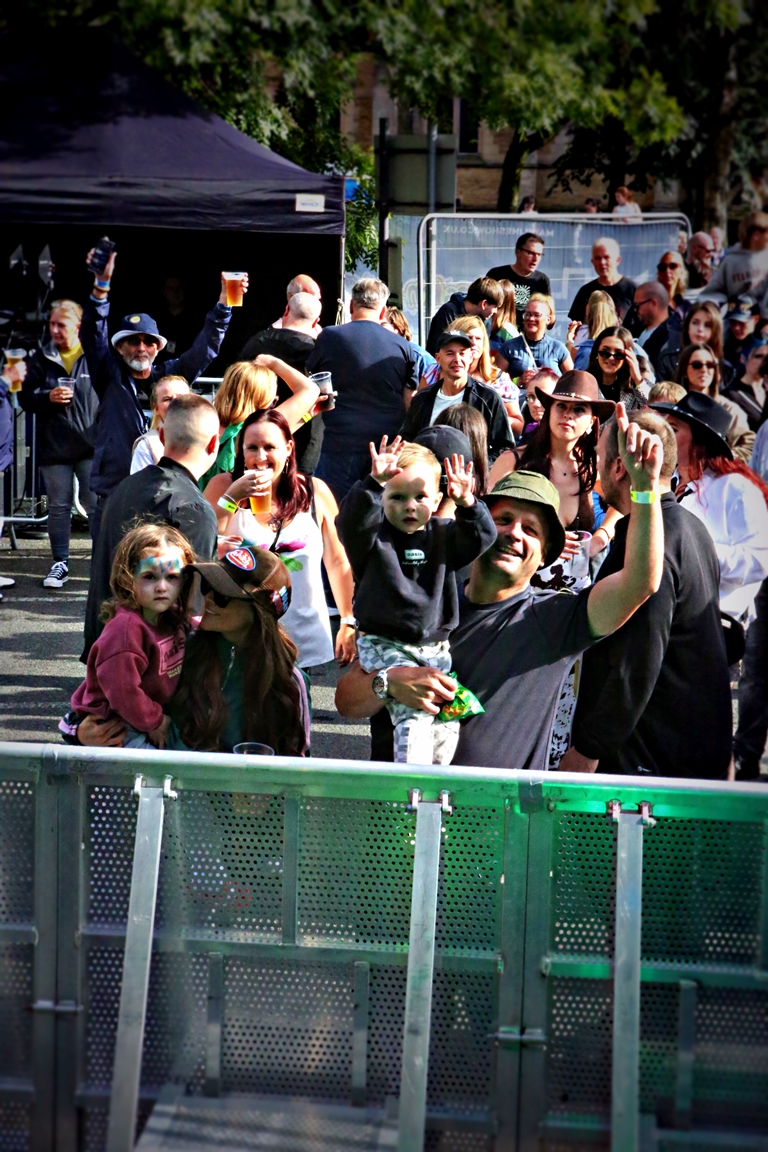
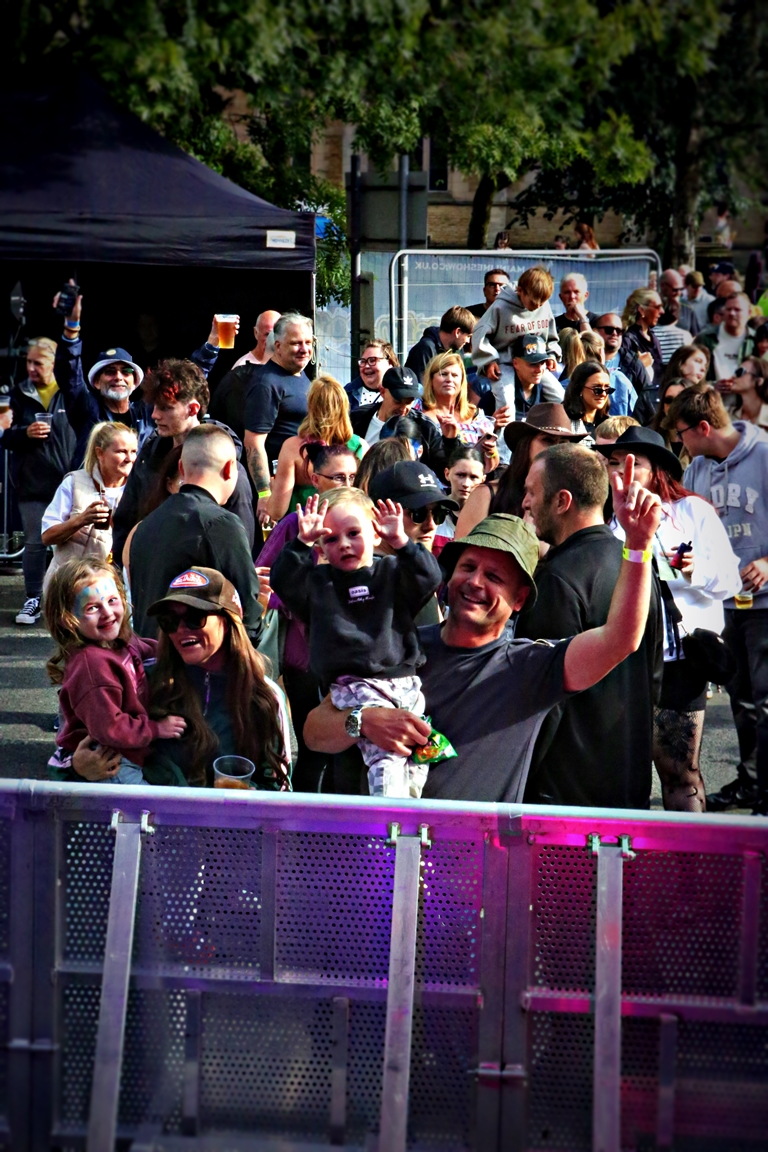
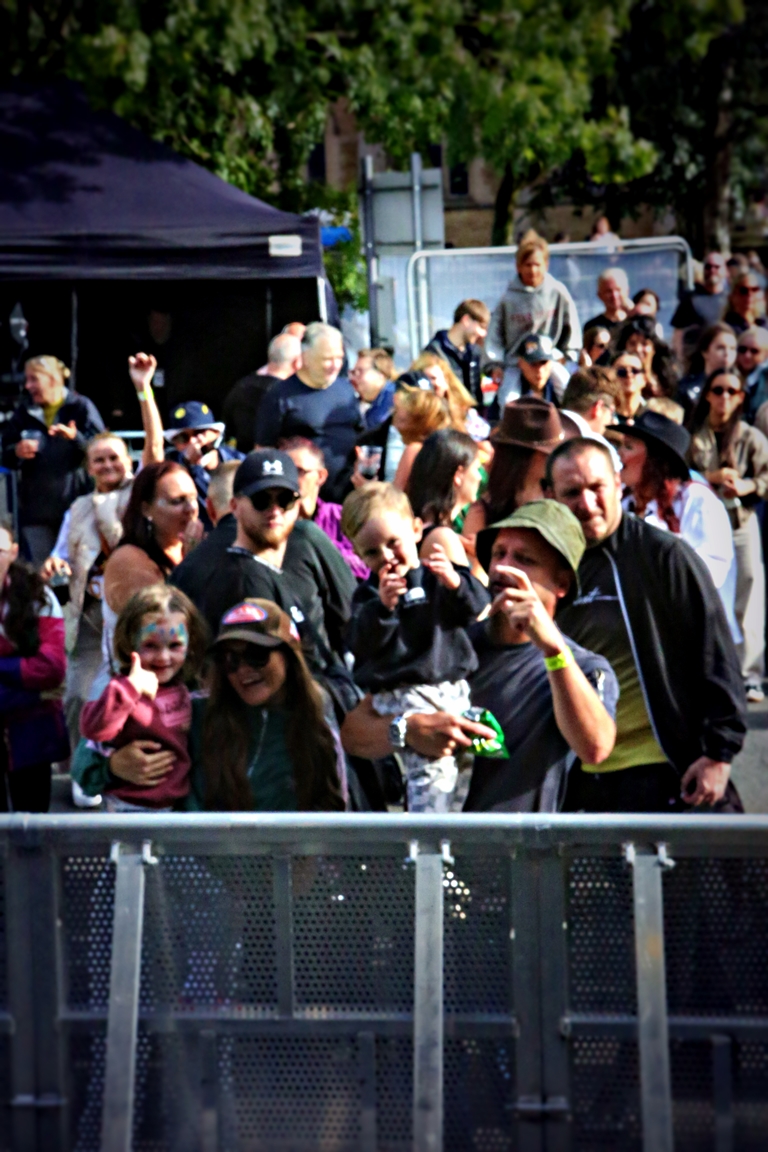
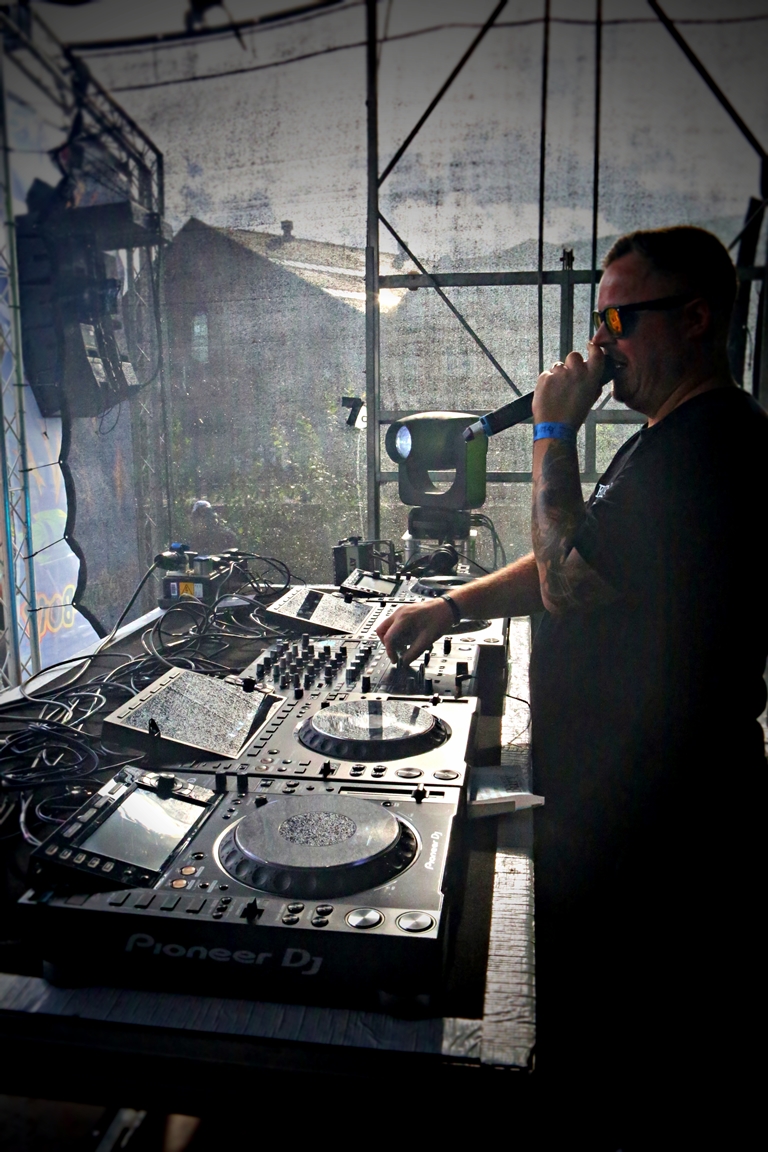


I’d like to apologise for the image quality. My lens is now being repaired as the image quality dropped throughout the day after 2 days shooting at Stonedead in more or less constant rain
