
For years, a certain types of “expert” have insisted that Merseyside doesn’t have a real rock and metal scene. You’ve must have heard the lines: “Liverpool’s a pop city,” “Rock or Metal never took root there,” “It’s all indie bands and Beatles cosplay.”
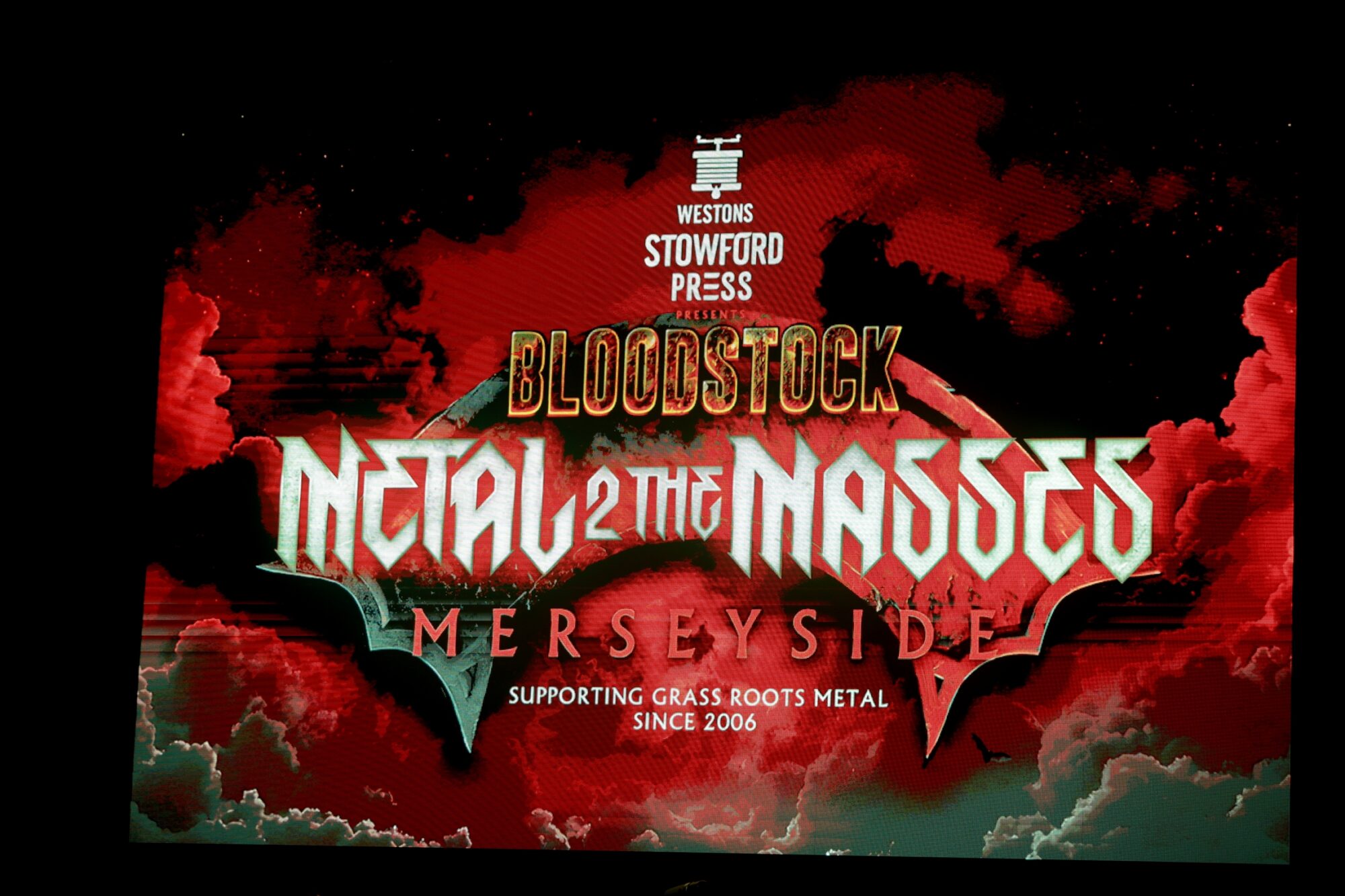
But on Saturday (July 4th), in the beating heart of the Baltic Triangle, Merseyside answered back. Loudly, proudly, and across two packed venues, with a full day event that showcased more heavy music than some cities manage in an entire year. The Metal 2 the Masses Merseyside Grand Final wasn’t just a competition. It was a statement. A declaration. A raised middle finger to anyone still clinging to the outdated idea that Liverpool doesn’t do rock or metal. Because on this day, it didn’t just “do” metal. It overflowed with it and smashed it.
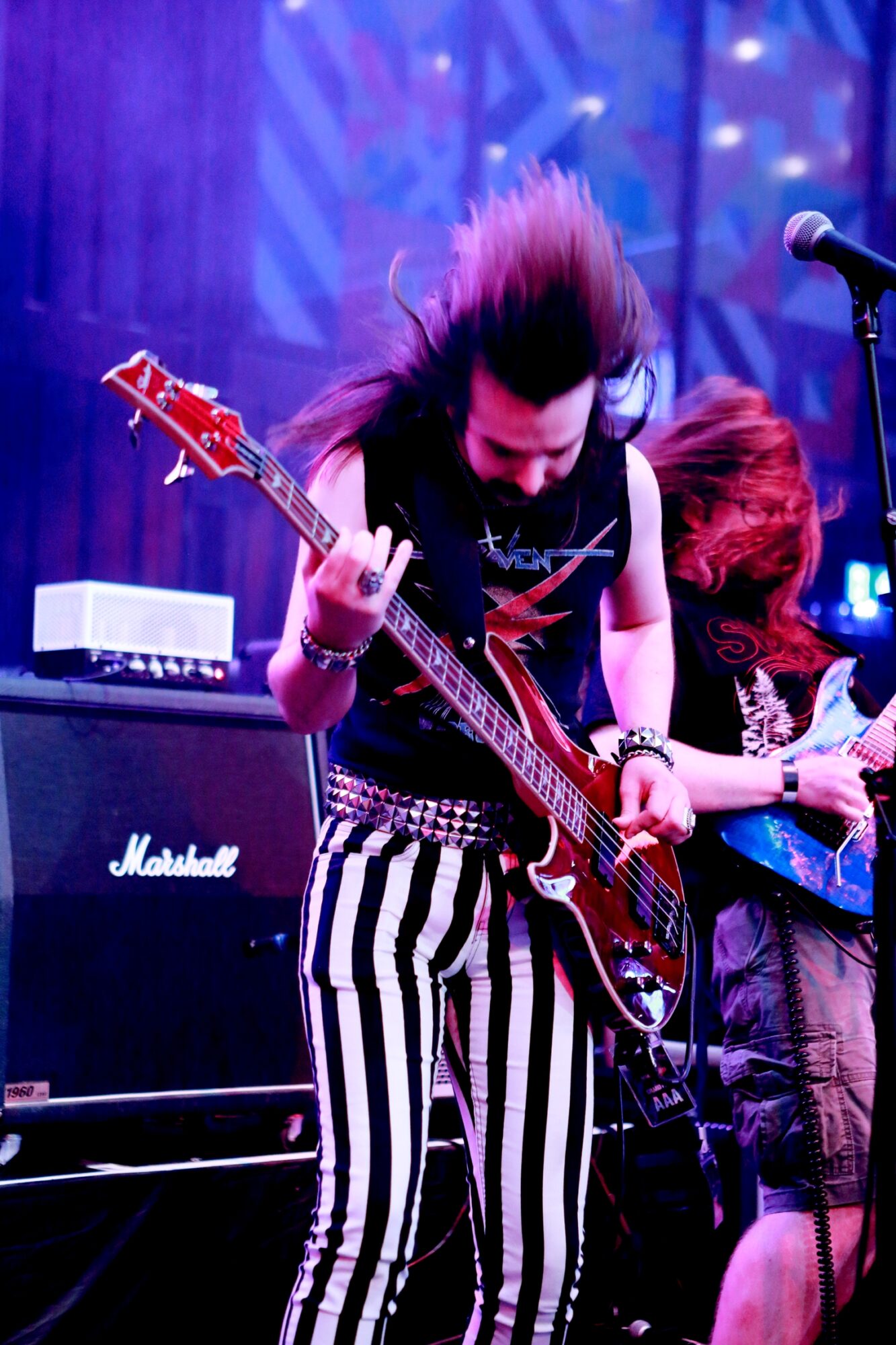
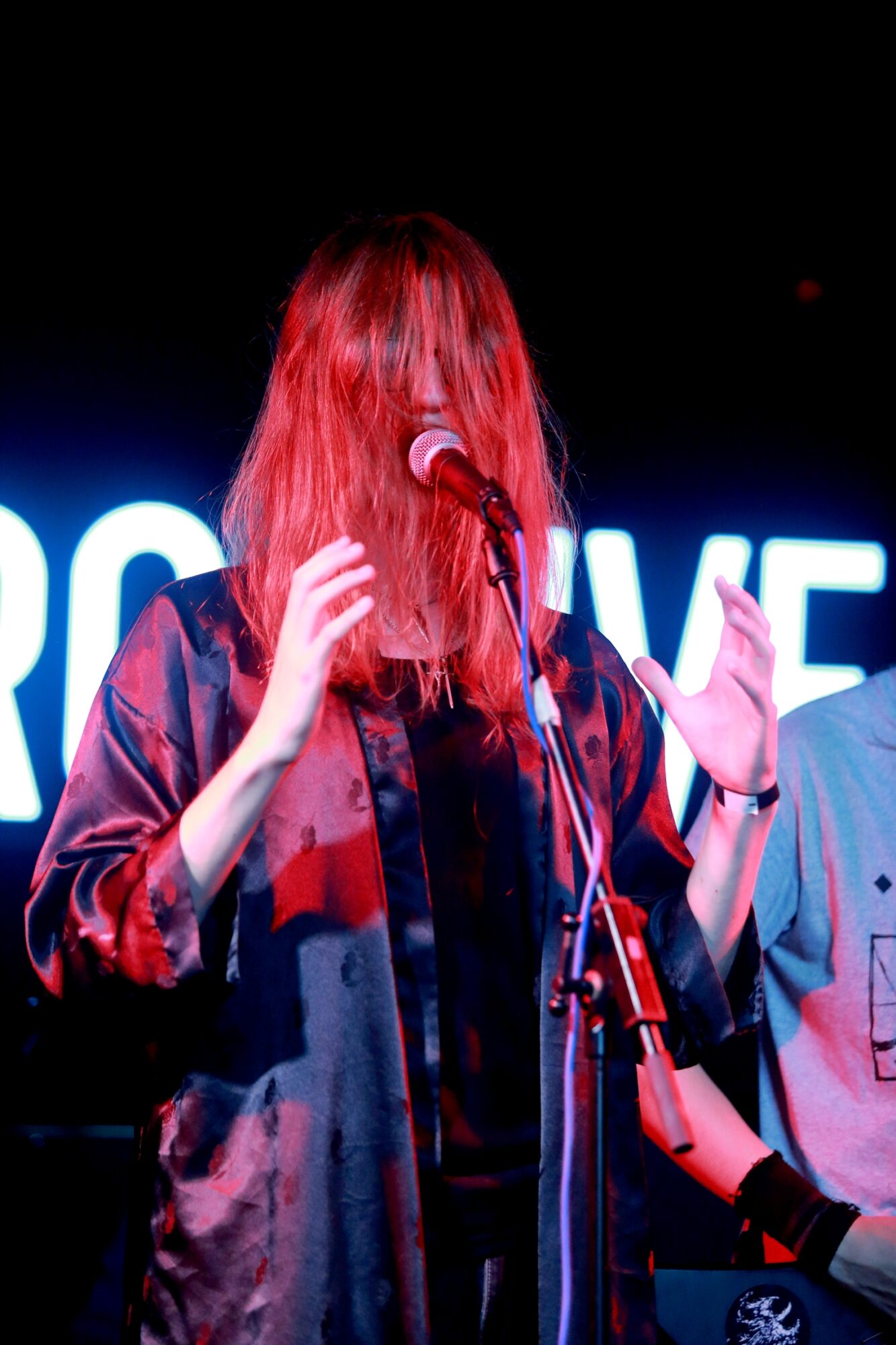
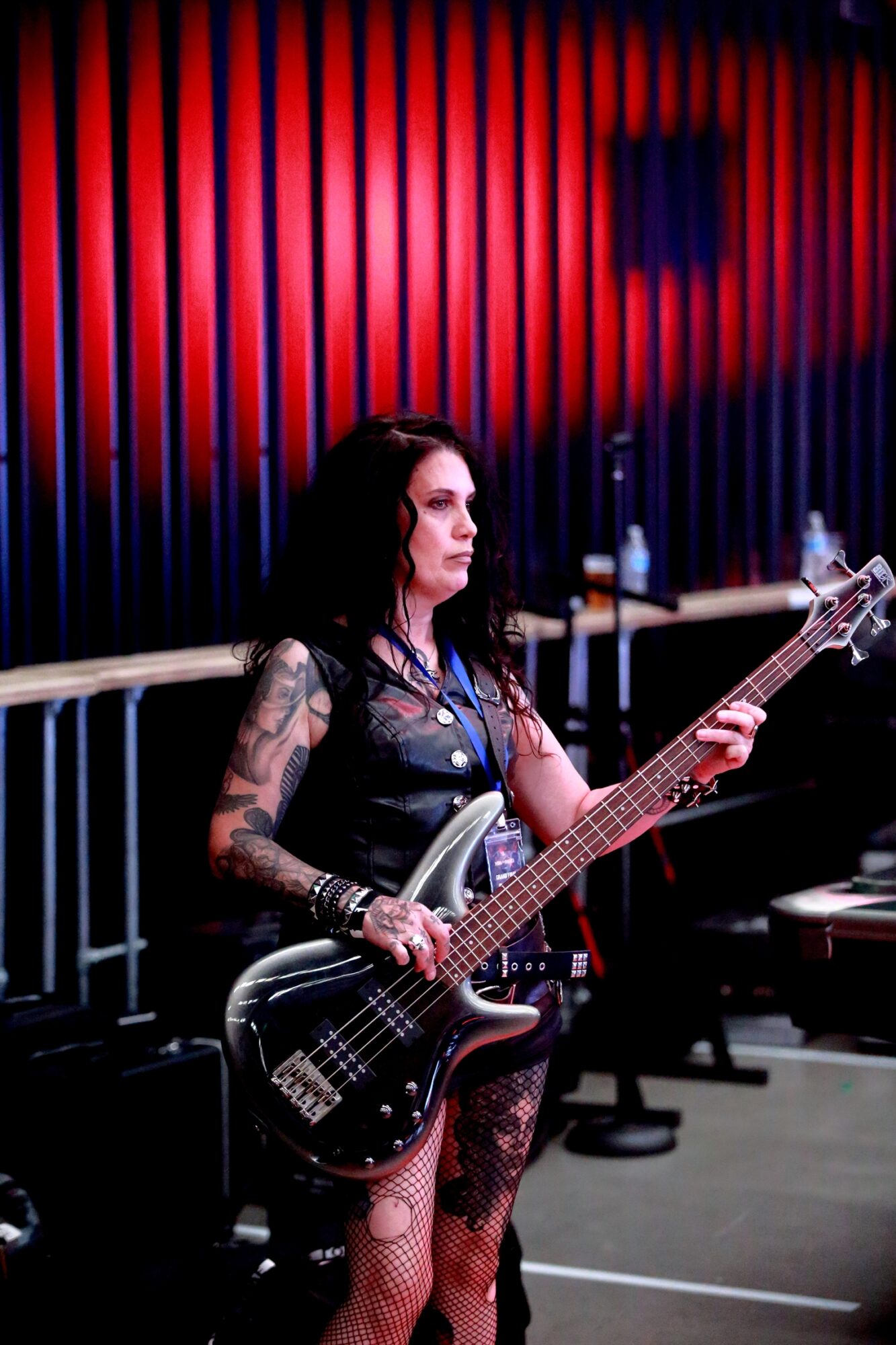
Arch:Hive and BOXPARK may be trading neighbours but are two very different spaces and two very different atmospheres. On Saturday they became twin engines powering a relentless, 12 hour celebration of riffs, roars, sweat, and community. Arch:Hive, with its industrial bones and intimate closeness, felt like the spiritual home of grassroots heavy music. BOXPARK, bigger and brighter, brought the festival energy required for our finalists. Between them, they hosted 19 bands. Nineteen. That’s definitely not a scene struggling for oxygen, but a scene overflowing with life.
At the centre of the day were the four finalists fighting for the coveted Bloodstock New Blood slot:
Archaea
Head Creep
Carnal Rott
False Monarch
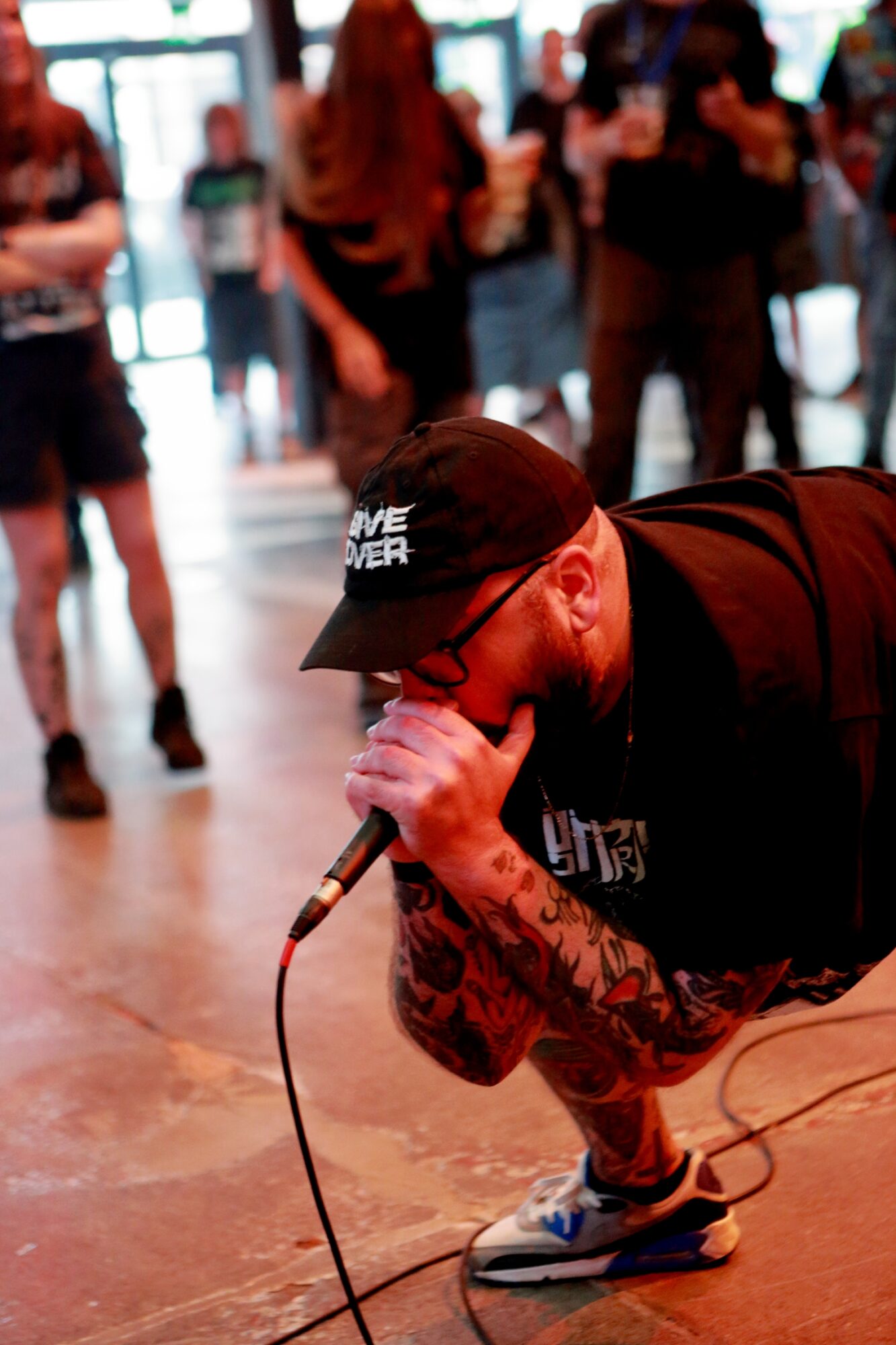
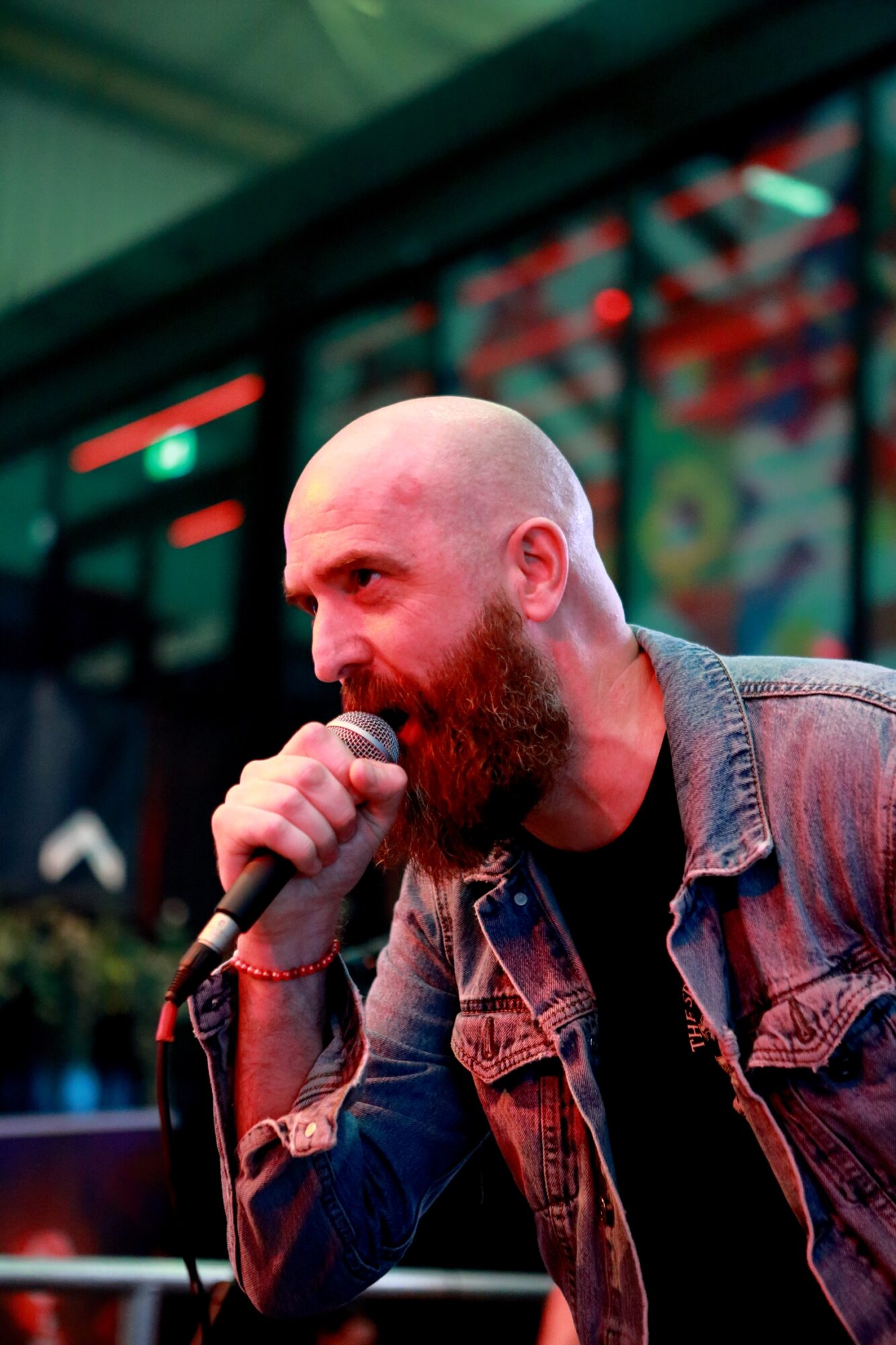
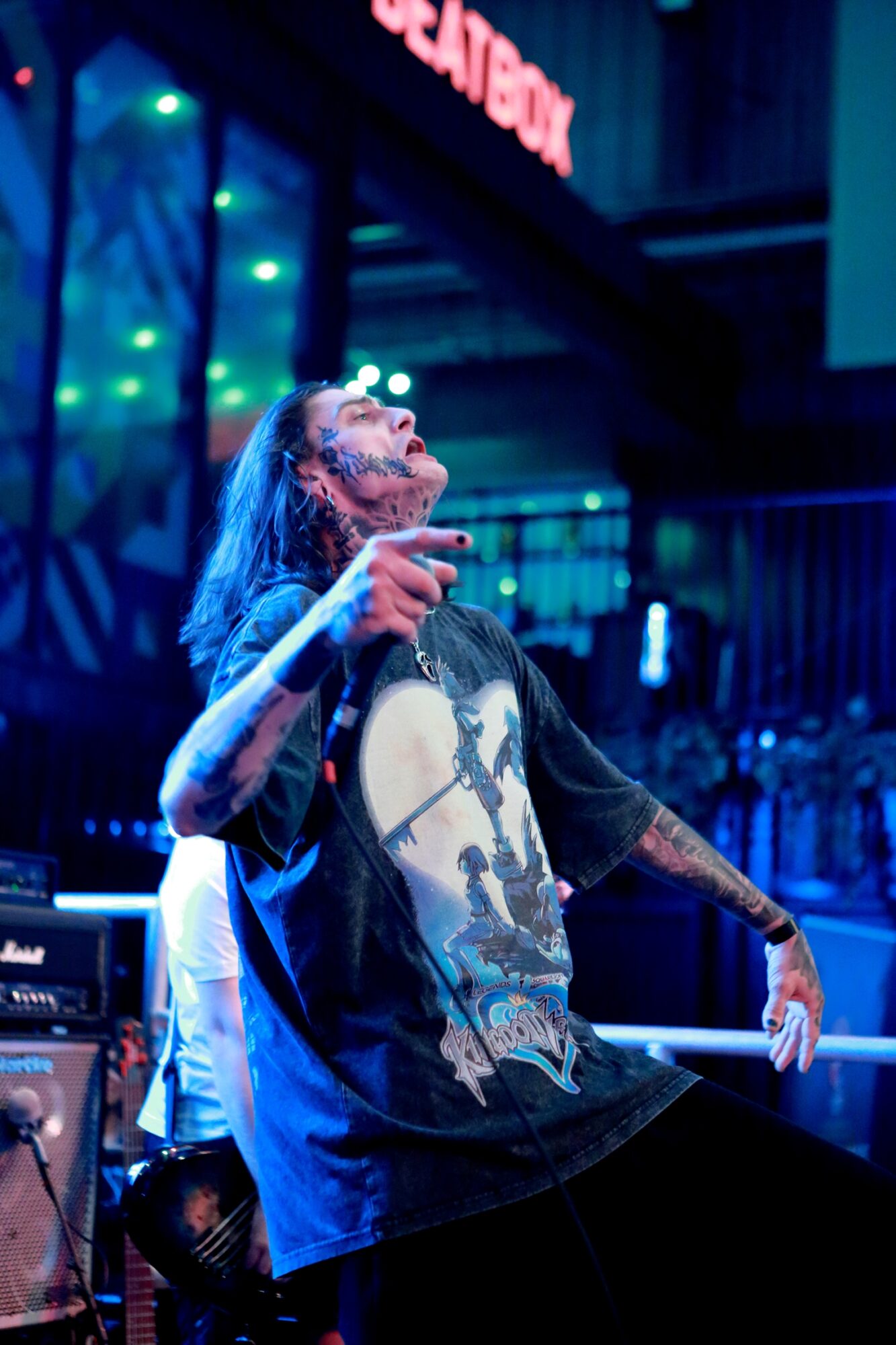
Each brought something different. Groove, brutality, atmosphere, technicality. All four proved one thing beyond doubt: Merseyside’s rock and metal talent pool is deep, diverse, and absolutely ready for more attention.
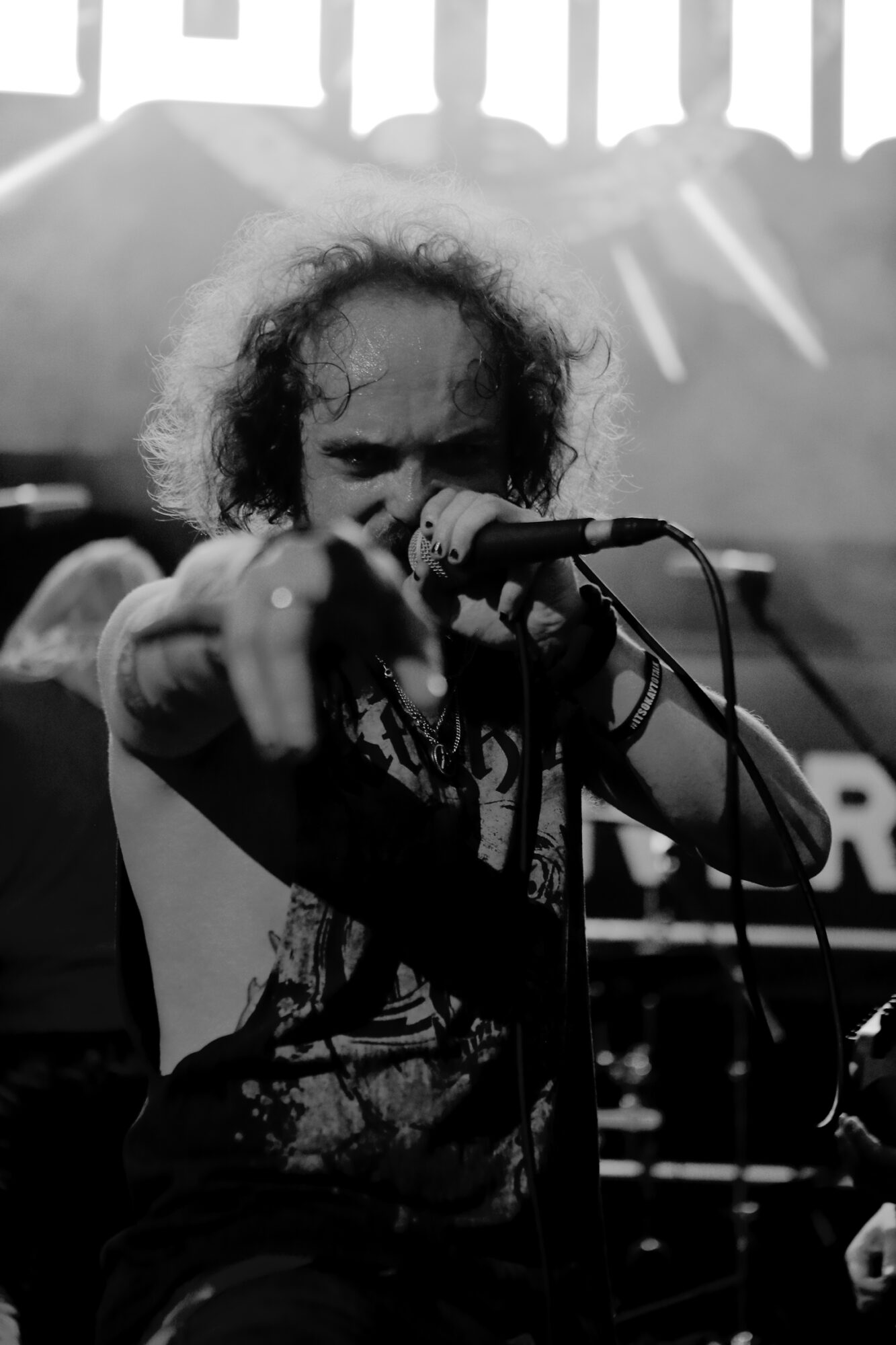
Head Creep’s set was a masterclass in controlled chaos. Carnal Rott delivered pure, unfiltered aggression. False Monarch brought a cinematic, almost ritualistic weight. Archaea fused melody and menace with surgical precision. If you still think Merseyside doesn’t produce serious rock and metal bands, you clearly weren’t in the room, but you need to sit up and take note, because these guys got skills.
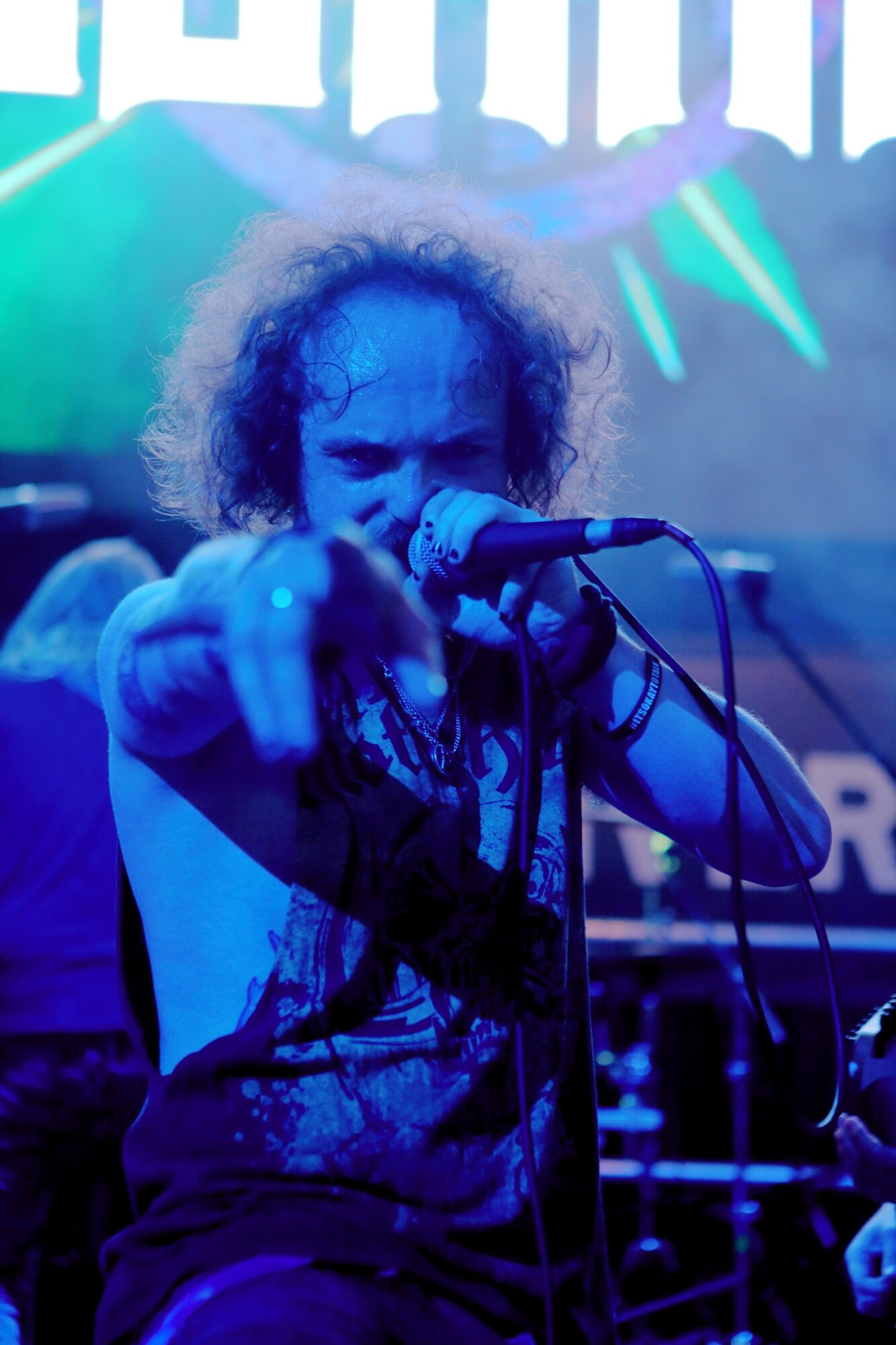
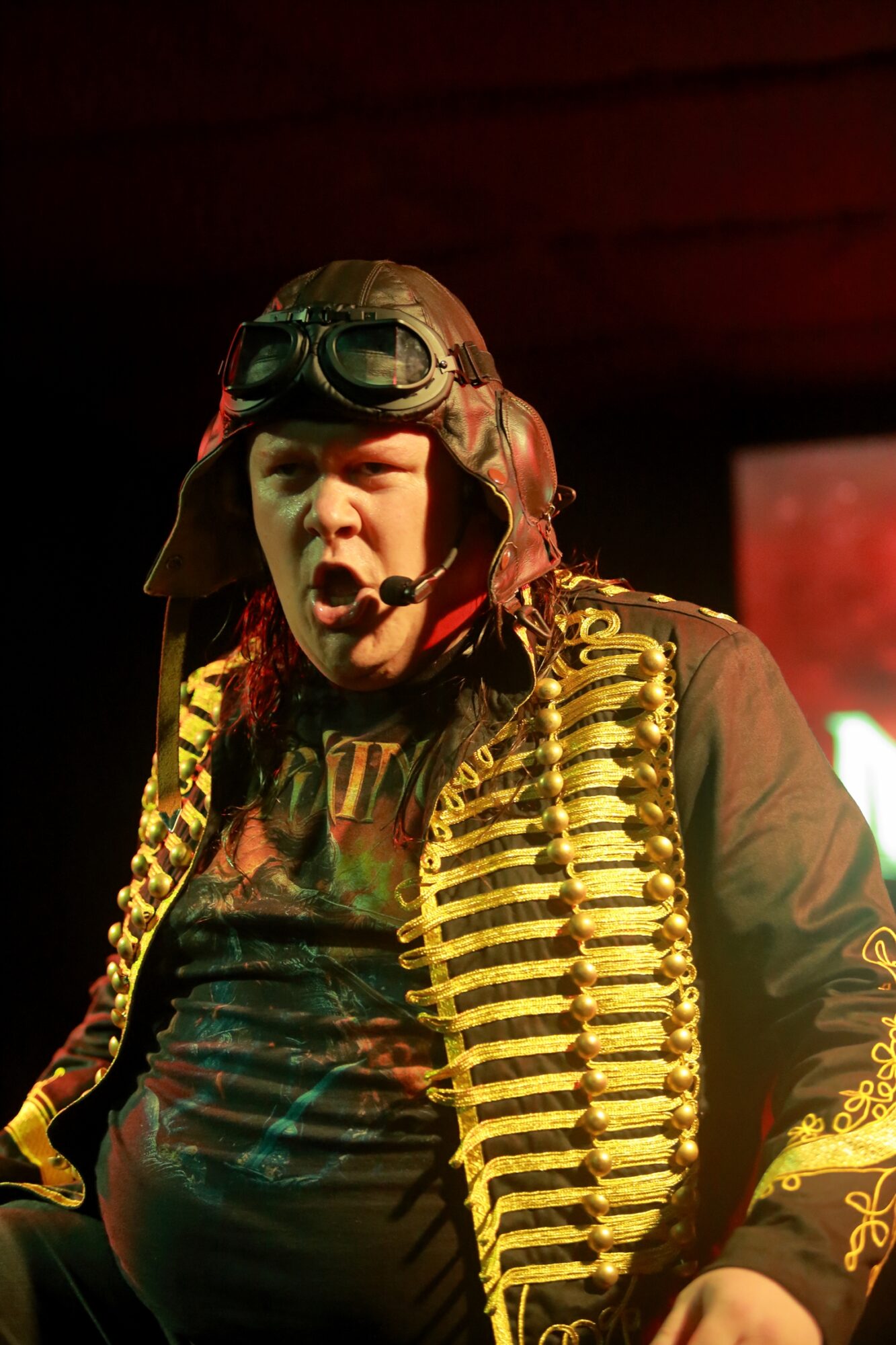
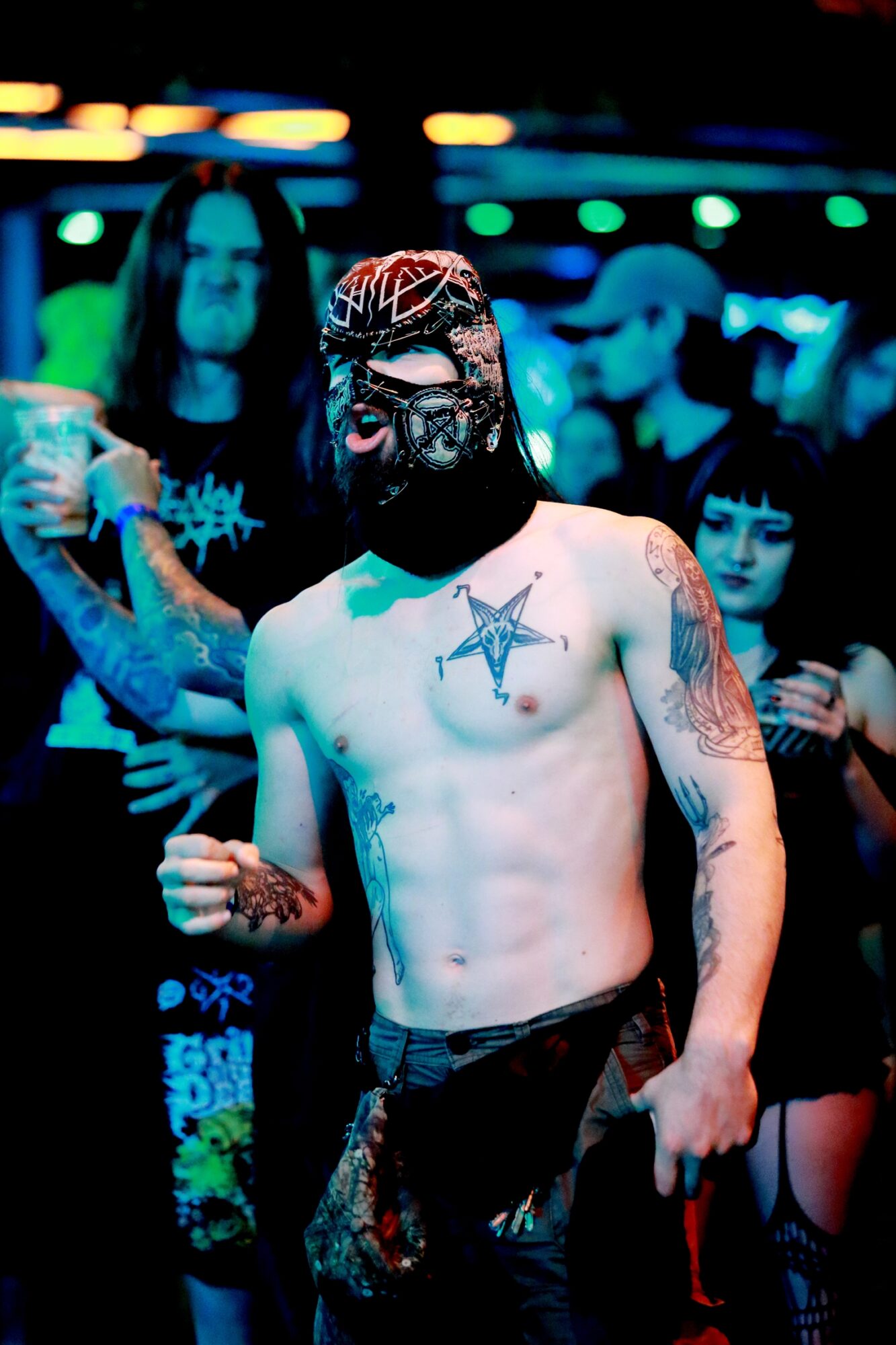
HEAD CREEP
Eight months. That’s how long Head Creep have existed, and yet they walked onstage like a band already deep into a national tour. Their confidence was outrageous. Their chemistry was tight. Their presence was commanding. They didn’t just perform; they owned the room. Controlled chaos, groove heavy riffs, hooks sharp enough to grab even the casual listeners. Head Creep looked like a band ready for bigger stages right now. If this is what they’re doing at eight months, Merseyside has a future headliner on its hands. But sure, tell me again how the scene “isn’t active.”
CARNAL ROTT
Carnal Rott delivered a set that felt like being hit by a freight train made of blast beats and bad intentions. Pure, unfiltered aggression, but with clarity, precision, and a tightness that only comes from serious graft. They’re the kind of band that makes death metal feel accessible without softening it. They didn’t just play; they dominated. A proper finalist performance that left the room buzzing.
FALSE MONARCH
False Monarch brought atmosphere, ritual, and cinematic tension. Their set felt like stepping into a world rather than watching a band. Smoke, silhouettes, slow builds, sudden eruptions, they crafted an experience that blended doom, blackened textures, and post metal ambience. It’s quite unique, immersive, and unforgettable. They’re the band you remember the next day because they made you feel something.
ARCHAEA
Archaea delivered a set that fused technical precision with emotional weight. Their musicianship is razor sharp. Their tight rhythms, intricate riffs, perfectly complemented vocals that cut through the mix with authority. They play like a band with something to prove, and they proved it with confidence that never tipped over into arrogance. Archaea could walk onto a Bloodstock stage tomorrow and look right at home, and I think this is why they emerged victorious.
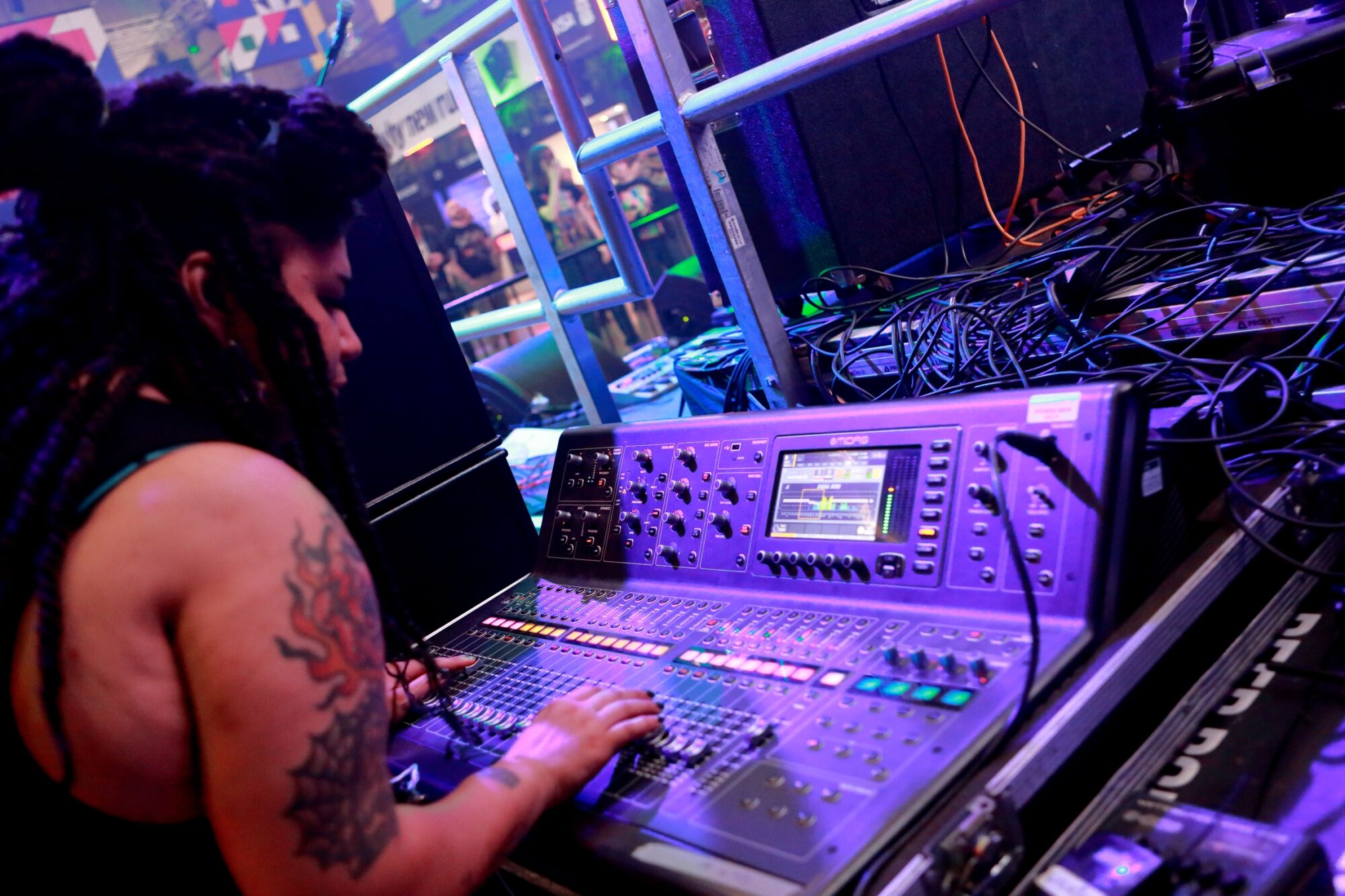
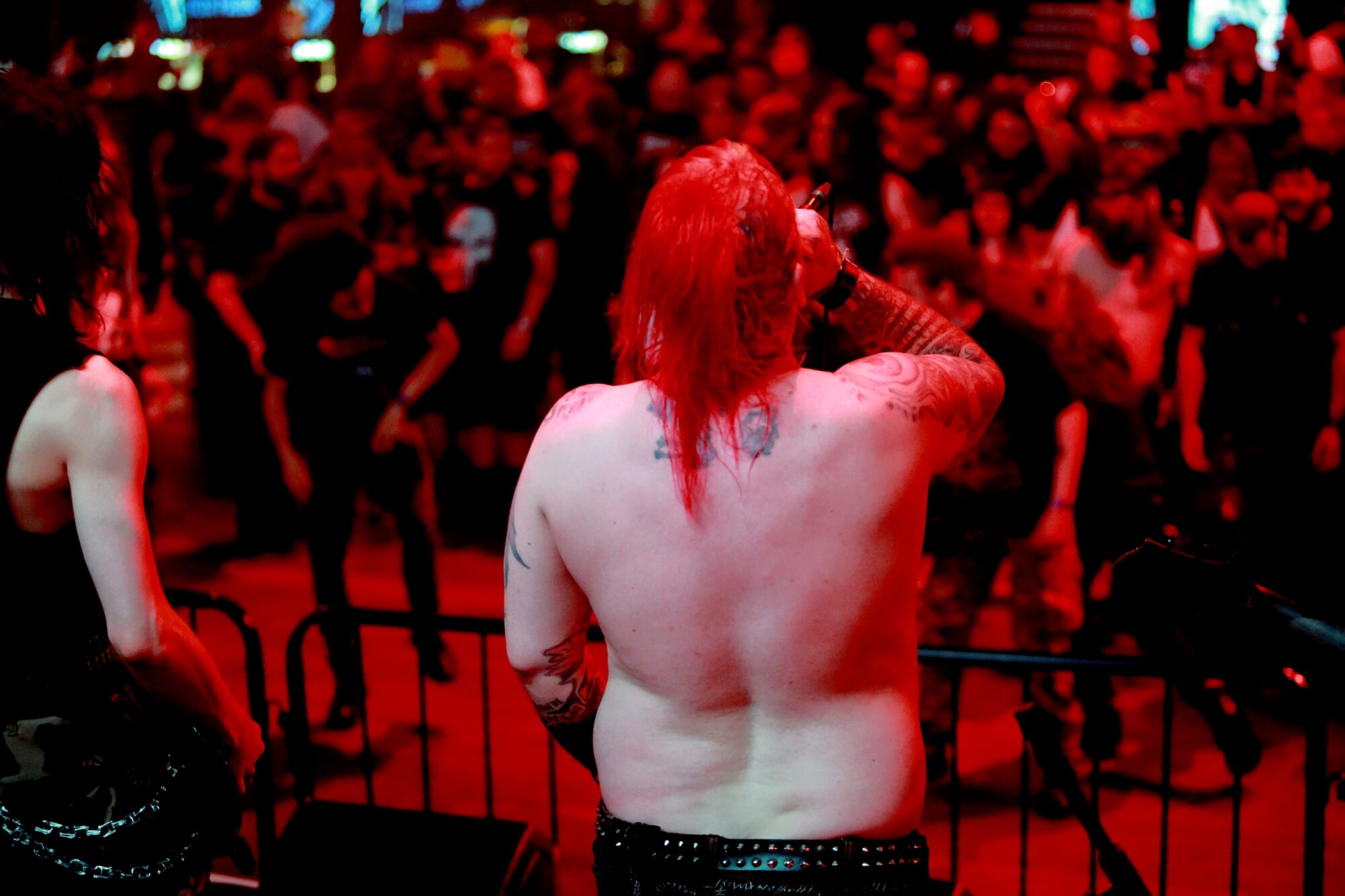
What made this event special wasn’t just the finalists, but the sheer scale of the supporting lineup. This wasn’t padding or filler. This was a showcase of the ecosystem that keeps the Merseyside rock and metal scene alive.
Across both stages, the day featured:
Claymore Steel • Gwardoroth • Seven Circles • Seven Days Dead • Raised by Wolves • His Name Delores • Burnt Body • Nocturne • Blood of Achilles • Sigils • Forlorne Hope • Mad Spanner • Ogun • Neon Oracle • Foetal Juice
That’s everything from power metal to death metal, doom to groove, thrash to prog, comedy metal to symphonic storytelling. A full spectrum. A full culture. A full community.
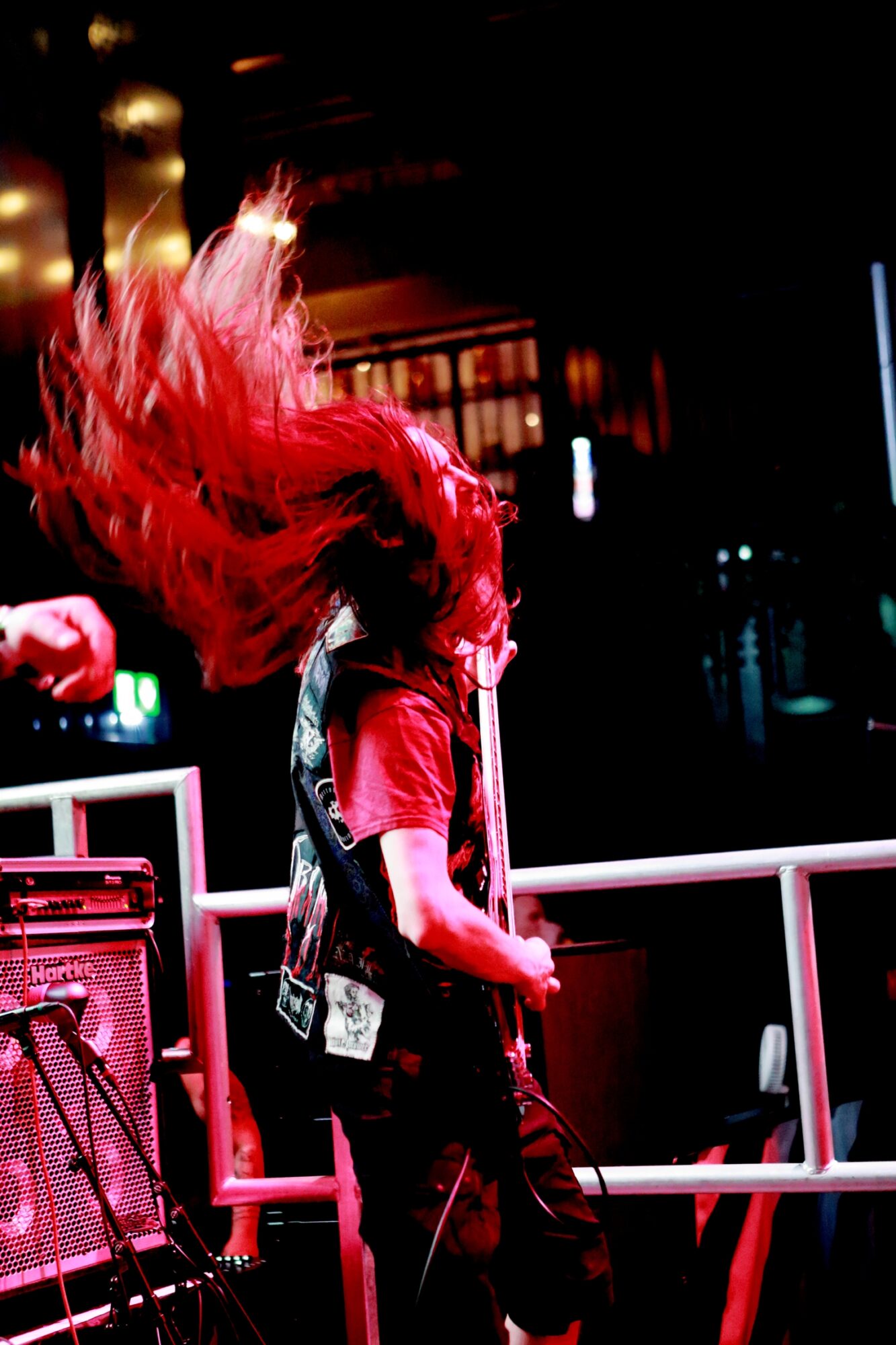
Crucially every band had a crowd. Every band had support. Every band had people singing, shouting, headbanging, moshing and living in the moment, and this simply doesn’t happen in a dead scene. Everytime I looked round, all I could sense was the atmosphere that built constantly as the day progressed. Not just excitement, but pride. A sense of “Look at what we’ve built.” Bands supported each other. Fans moved between venues and strangers became friends. Photographers, promoters, musicians, and newcomers all mingled, chatted and exchanged social media details as the Baltic Triangle became a real, living, breathing village for the day. It was a real live rock village, and it felt all natural, not forced. This wasn’t a scene trying to prove it exists. This was a scene celebrating the fact that it does.
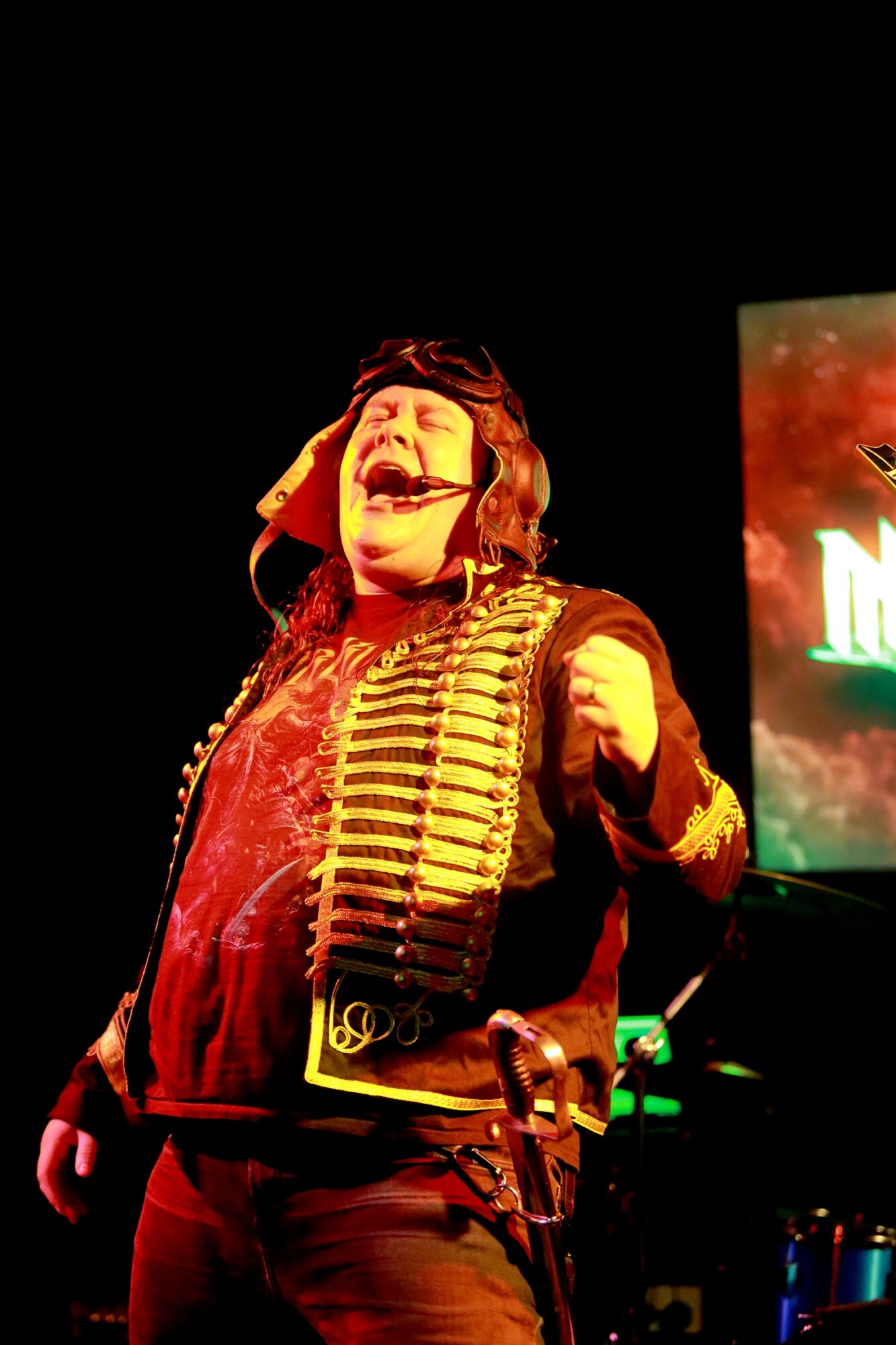
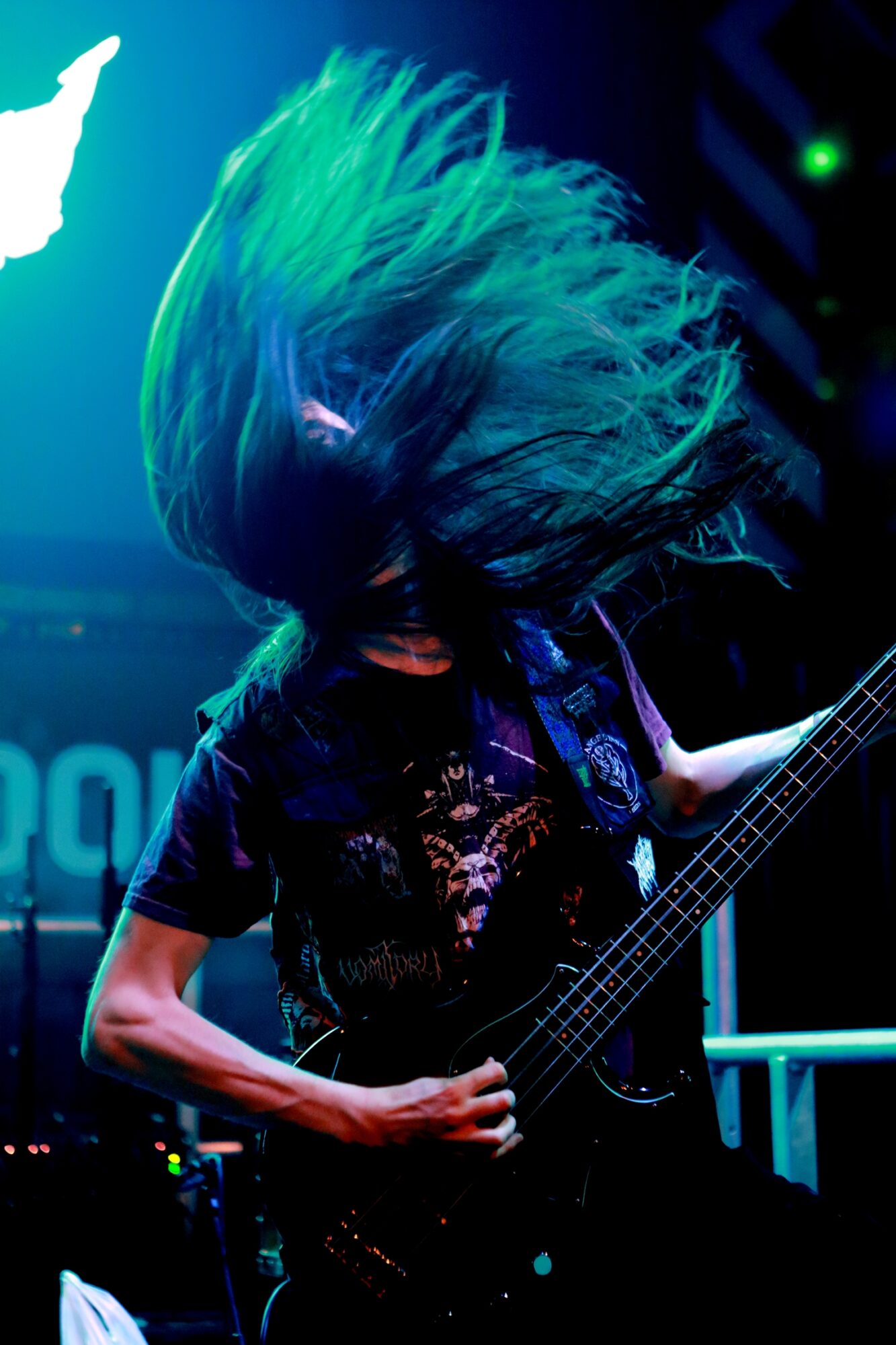
So where does the myth come from? I think it comes from people who haven’t been here. People who haven’t stepped into Arch:Hive on a Saturday night. People who haven’t seen BOXPARK erupt for a local band. People who still think Liverpool’s musical identity froze to death in 1963. They don’t realise that scenes aren’t defined by charts or stereotypes, but are really defined by bodies in rooms, bands on stages, and communities that show up, and on Saturday, Merseyside showed up in force.
If you were there, you now know the truth, and the truth is that Merseyside has a rock and metal scene. A big one. A loud one. A passionate one and a growing one. That scene has venues. It has promoters. It has fans. It has bands. It has shedloads of bands, and more are forming each week. Dozens of them, all pushing themselves harder every every practice session, every live appearance, so the “experts” can keep their outdated opinions, because thanks to Phil and his team it now has real visibility and will continue to build something very real.
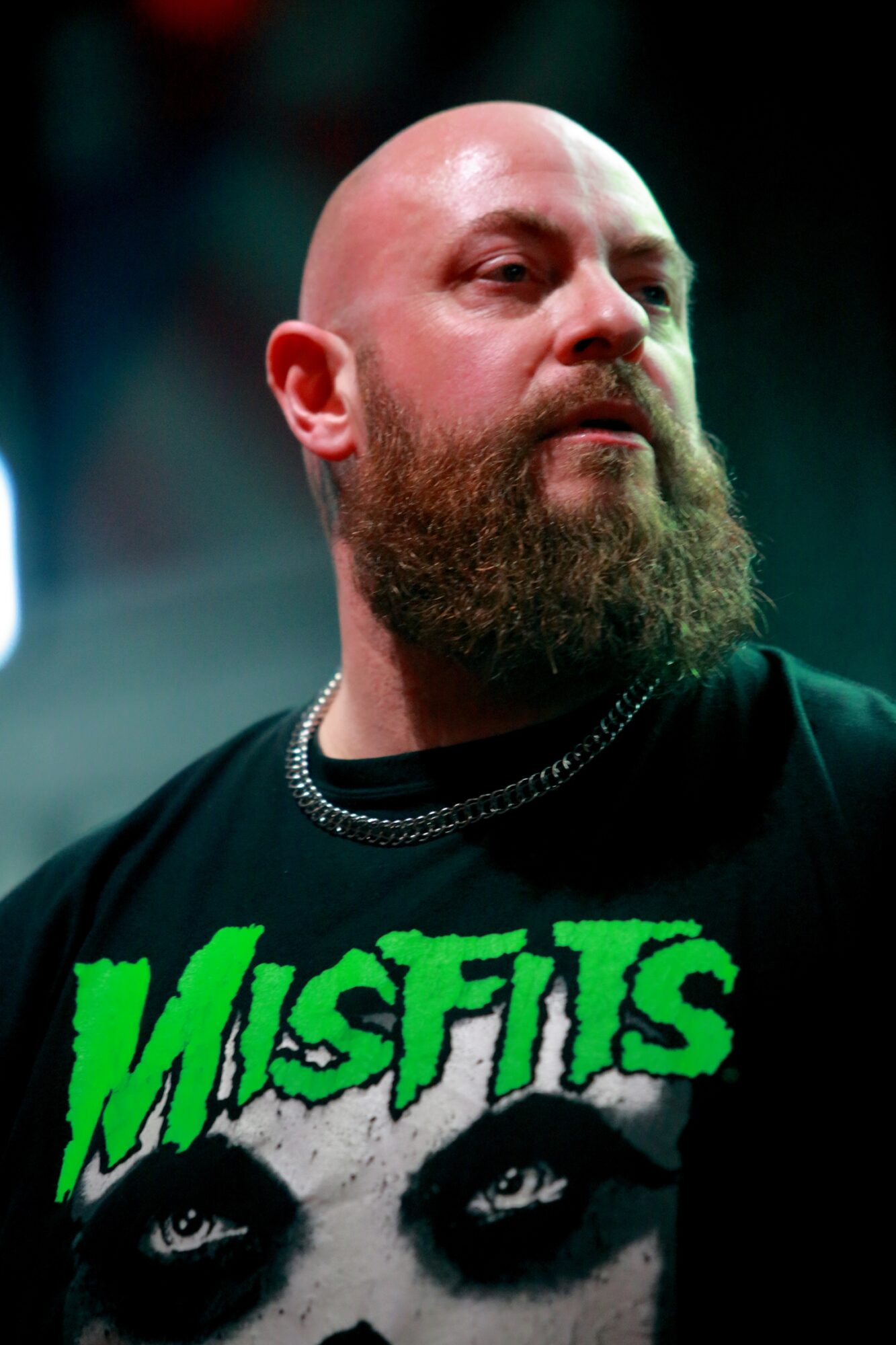
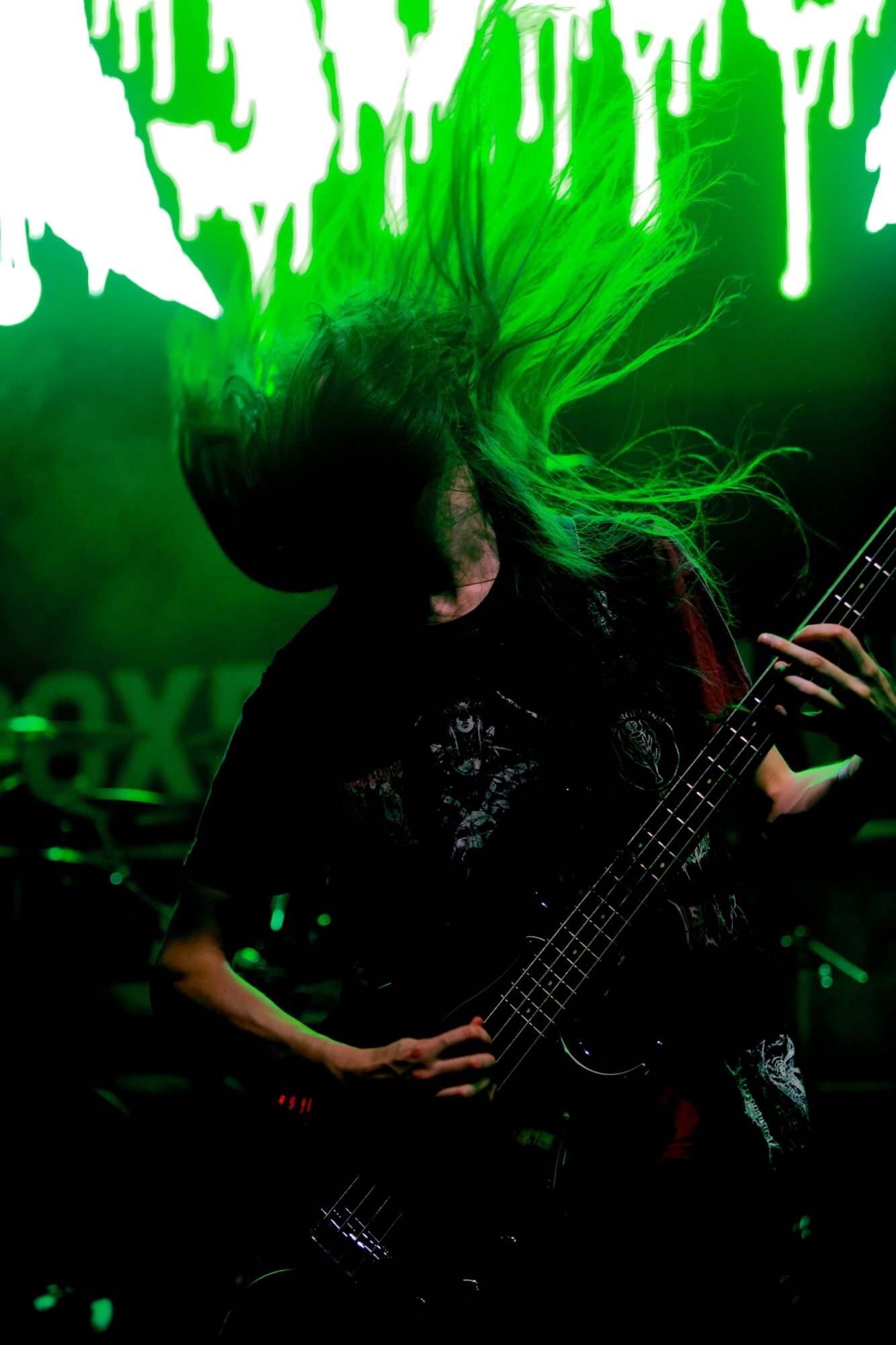
As I was driving along the M62 on my way back to Lancashire, shouting reminding notes into my mobile phone, I got all giddy when I realised that there were some striking similarities between the day and the film, The Matrix.
There’s a moment at the end of The Matrix where Neo stops being afraid of the system that’s been holding everyone down. He stops running. He stops doubting. He looks straight into the face of the power that built the illusion that told him what was possible and what wasn’t, and he says, with absolute calm:
“I’m going to show these people what you don’t want them to see.”
It wasn’t a threat, nor knee jerk rebellion. It was simply a revelation. That’s exactly what Phil and the M2TM Merseyside team did on Saturday.
For years, outsiders have acted like the Matrix by defining Merseyside’s musical reality from a distance, insisting the scene doesn’t exist, telling anyone prepared to listen what the limits are, what the city is and isn’t. They wrote the narrative, and everyone was expected to accept it.
Phil didn’t argue with them, nor did he debate them or convince them. He instead showed them.
He found himself a brilliant team, and between them all they built a day so big, so loud, so undeniable that the old narrative simply couldn’t survive contact with reality. Two venues. Nineteen bands. Hundreds of fans. A community overflowing with energy, talent, and pride.
It was Merseyside’s Neo moment because it was the instant the illusion shattered and the truth became impossible to ignore. Phil didn’t just organise a final. He exposed the truth:
Merseyside does have a metal scene. It’s alive. It’s thriving. And it’s bigger than anyone outside the city realised.
The “experts” can keep pretending. But after Saturday, everyone else can finally see the code. We didn’t just photograph and document a gig, but documented a turning point. It was a day when Merseyside rock and metal stood tall, filled two venues, delivered nineteen sets, crowned a champion, and proved beyond any argument that the scene here is not only alive, but thriving.
And the best part? This is just the beginning.
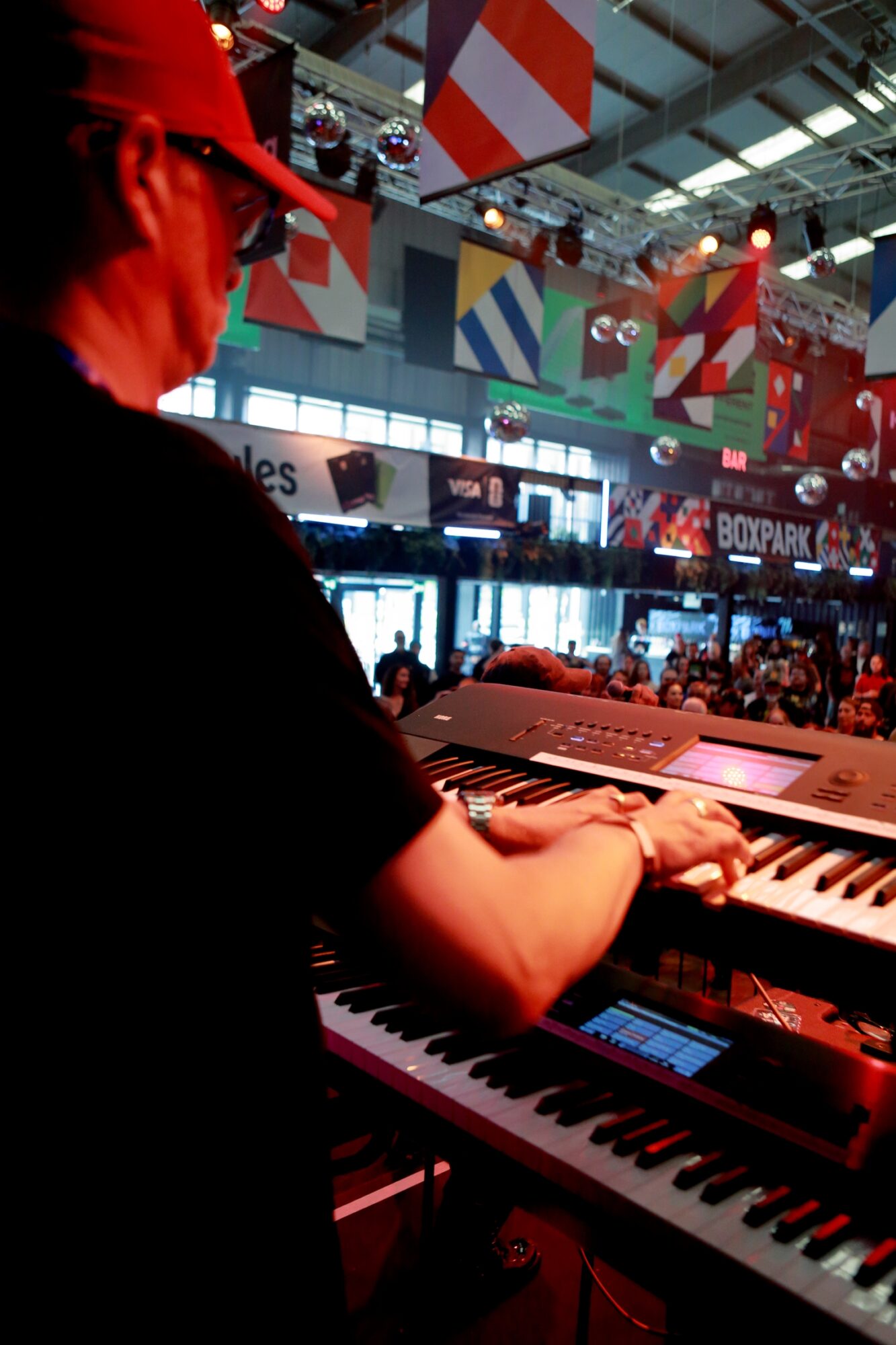
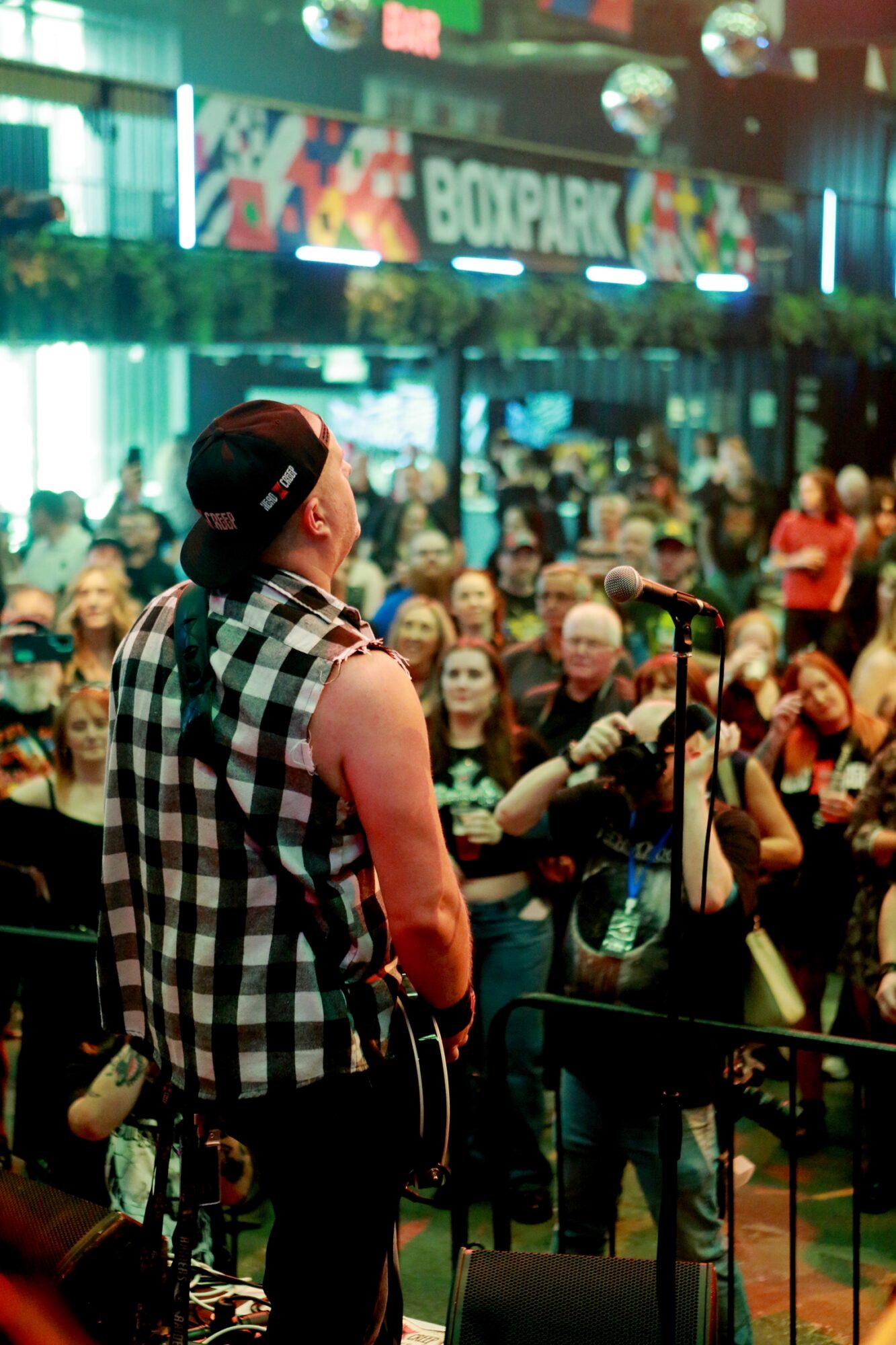
Words and Photos by Gregg Howarth
