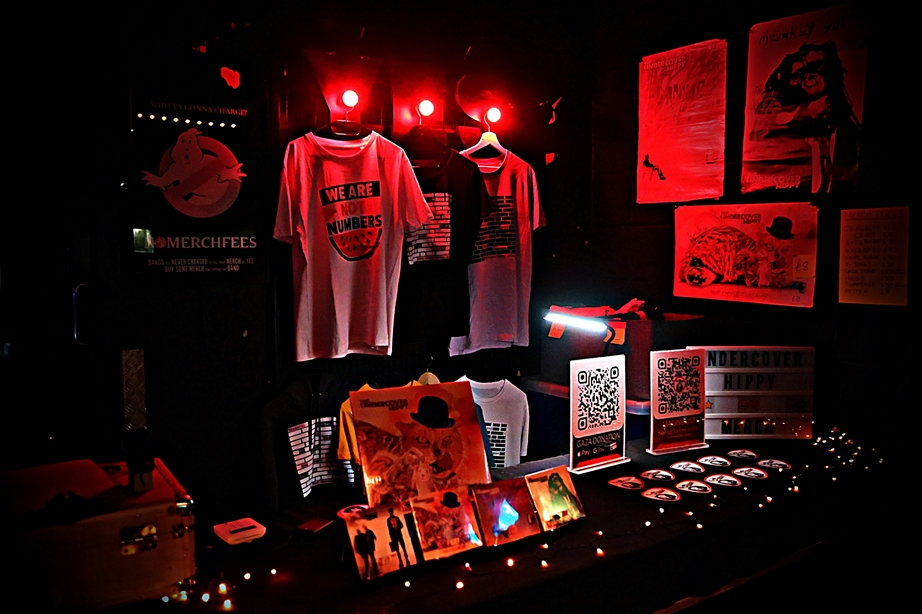
Maybe its my age (59), but I love digging to learn the histories of the venues I get to see live music in, and YES on Charles Street has one of those great Manchester origin stories where an old industrial building gets rescued from becoming flats and is reborn as a proper cultural hub. The place we know today as YES started life in 1912 as a printing press, part of the city’s early 20th century industrial sprawl, but it wasn’t built on empty land. Before that, the site had a long history tied to Manchester’s religious and community life. From 1793 the plot was home to the New Jerusalem Church, and over time the church expanded into a small complex with a chapel, a school, community rooms and meeting spaces. By the early 1900s the original buildings were outdated and no longer fit for purpose, and were demolished to make way for a modern, industrial era structure and the printing press rooms had their day. By the 1950s, it had become home to Capes & Dunn, a long running auction house dealing in fine art. For decades the building barely changed from its brown brick exterior with three interior floors, and unless you were buying or selling something, you’d never have any real reason to step inside. When Capes & Dunn eventually moved out in the 2010’s, the building was nearly snapped up by developers when five of the six offers were all for turning it into apartments, but the sixth and most importantly the accepted offer came from “Now Wave”’s (an independent music promotion company) Wesley Jones and Jon Wickstead, along with Ruth Hemmingfield (the venue maker behind Gorilla, Deaf Institute, and the Albert Hall). They bought the building in 2018, kept its bones, and transformed it into a four floor music space that still feels like Manchester with its basement sweatbox, ground floor bar, the neon pink 500 capacity room upstairs and a rooftop terrace with trains rattling past in the background. YES opened in September 2018 and quickly became one of the city’s busiest grassroots venues, hosting inexpensive pints, free entry, a Danley sound system in the Pink Room that wouldn’t sound out of place in a venue 4 times its size and a programming ethos that mirrors Now Wave’s reputation for spotting future headliners early. It’s a venue built on a century of history, saved from redevelopment, and turned into one of the most distinctive modern music spaces in our city.
Before heading downstairs tonight, I got chatting with the doorman. a down to earth, friendly bloke who radiated proper old school Manc hospitality . He mentioned that when they crunched the numbers recently, they realised over 1.25 million people have come through the doors of YES since it opened. Now I didn’t notice a clicker in his hand, so that figure must just represent gigs and live music events, and for a venue that still feels like a hidden gem tucked away on Charles Street, I think that’s quite staggering. That’s well over 150,000 a year and tells you everything about how important this place has become. It’s not just a bar nor just a gig space. It’s a cultural conveyor belt that’s quietly and consistantly helped shape the city’s live grassroots nightlife for the last eight years, one night and one crowd at a time.
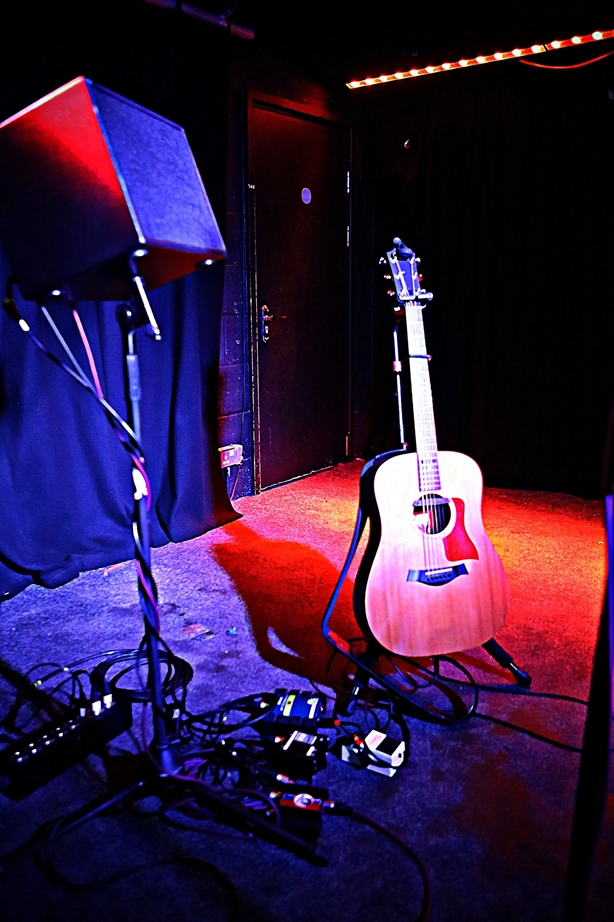
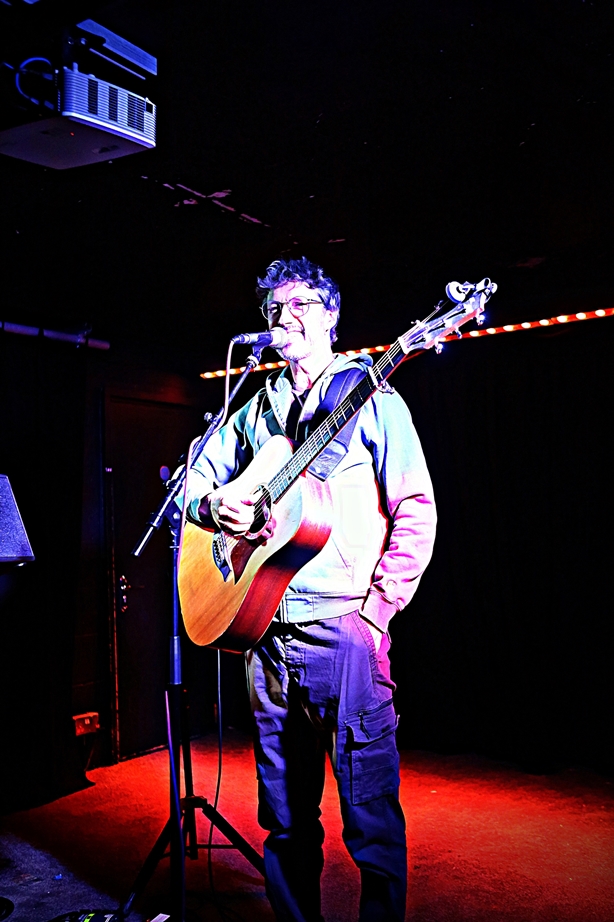
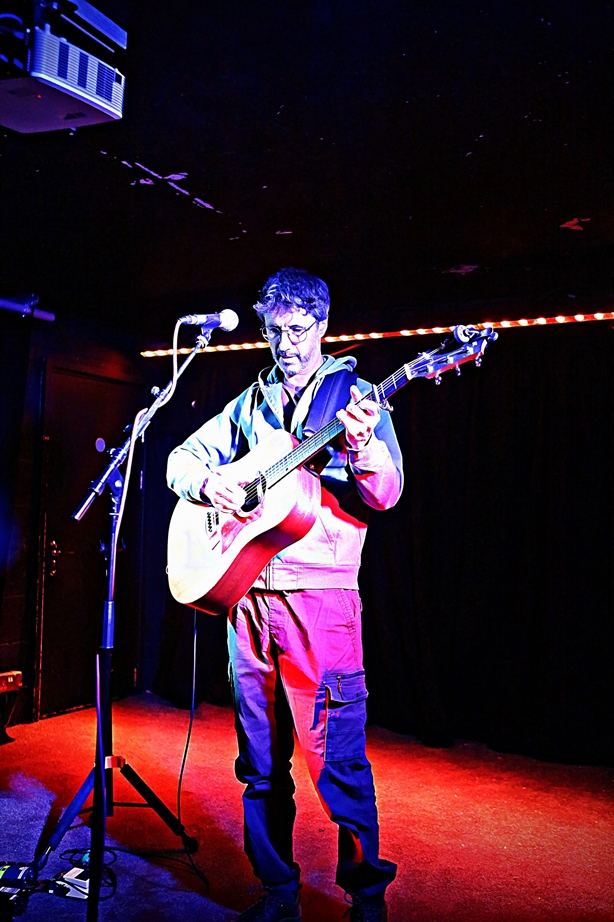
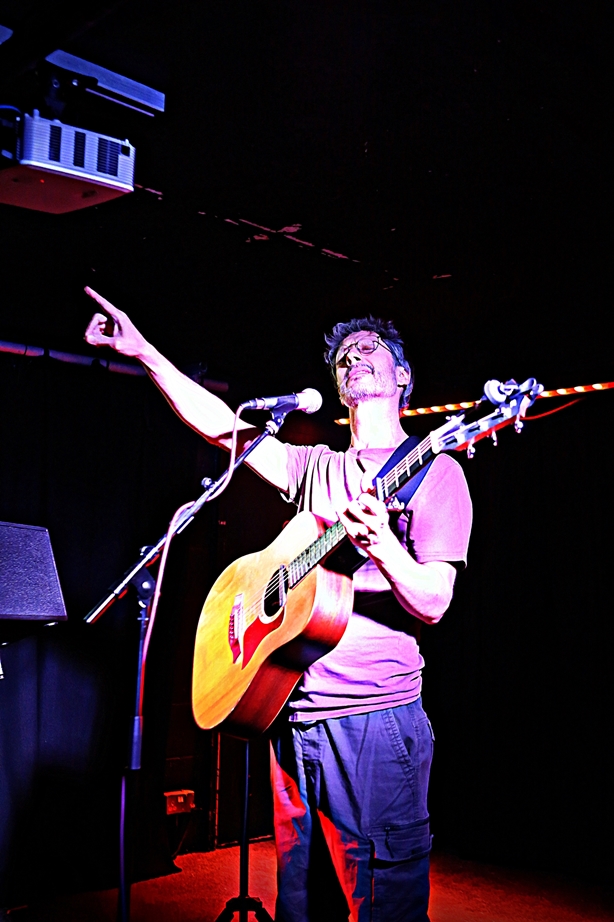
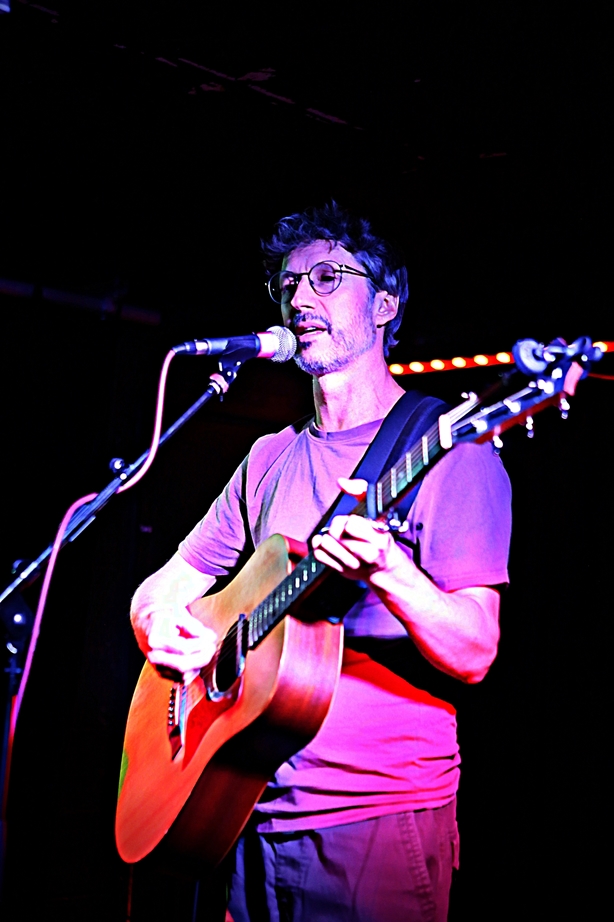
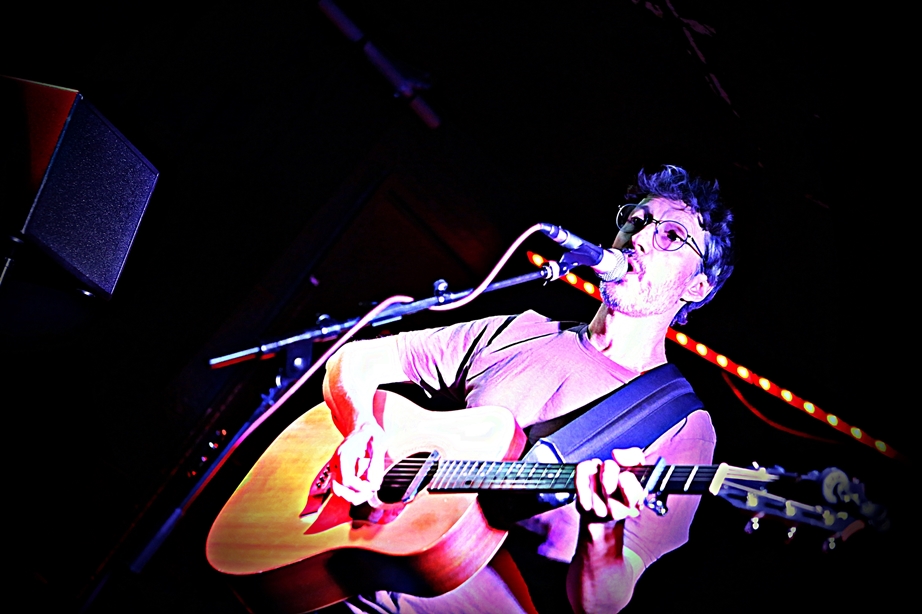
I first saw The Undercover Hippy at the Bearded Theory Festival, and when I saw he would be in Manchester delivering a solo acoustic setr it made me genuinely curious about how his sound would carry. When I messaged him about shooting and reviewing tonight’s set, his reply made me smile, because he seemed almost surprised that anyone would want to come along with a camera. To be honest, that surprised me. There’s something endearingly humble about an artist who can command a festival crowd yet still be taken aback that someone wants to document his performance. It set the tone before I’d even walked through the door because I just knew this wasn’t going to be a big ego, spotlight hungry show, but something honest and real.
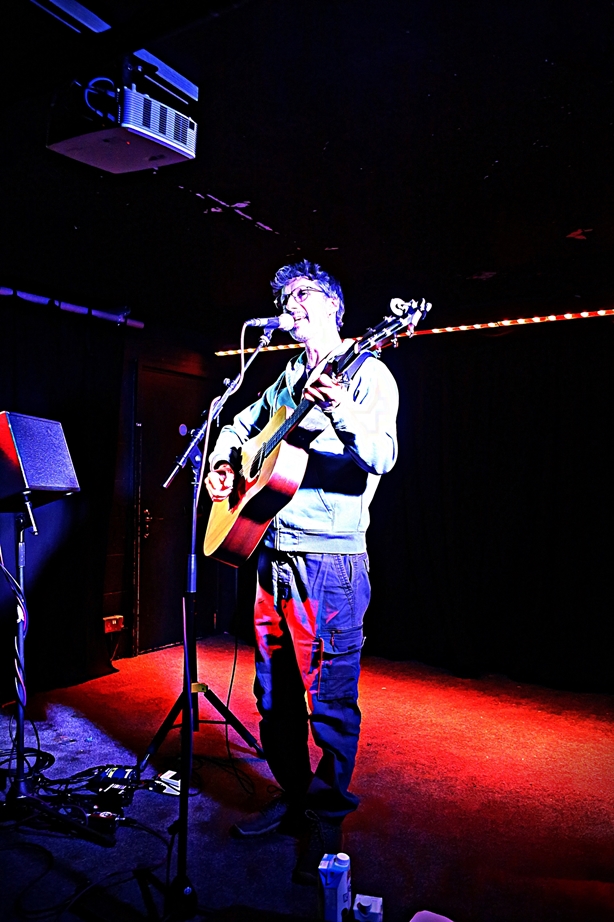
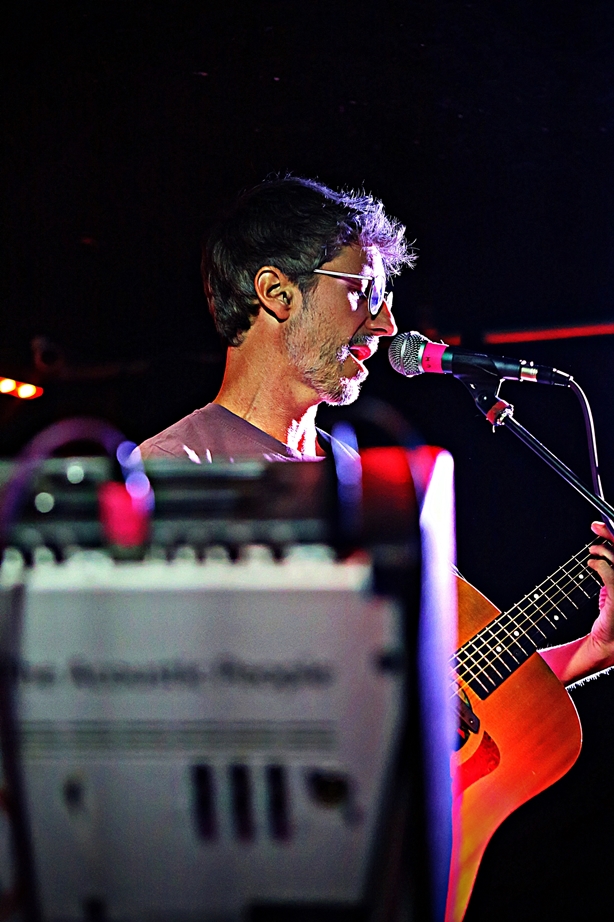
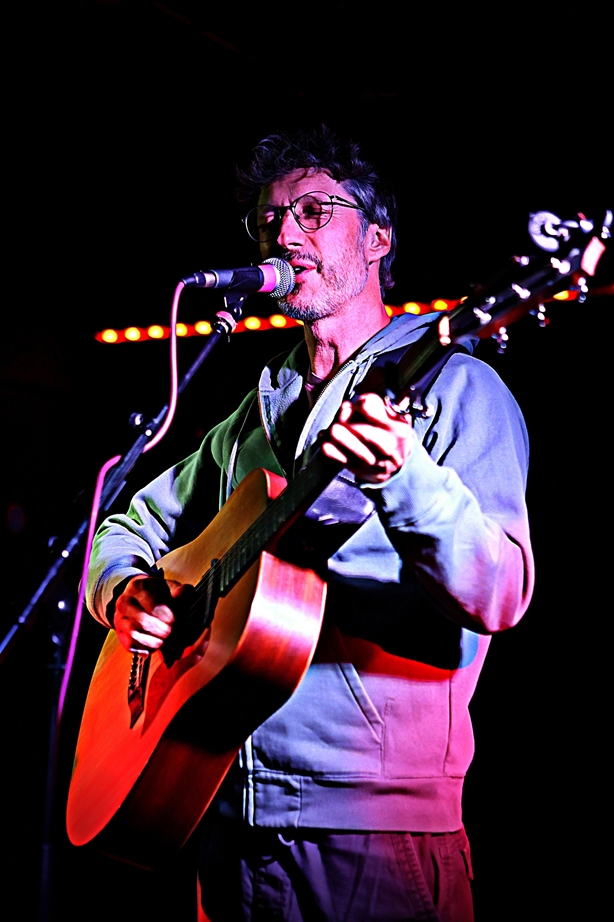
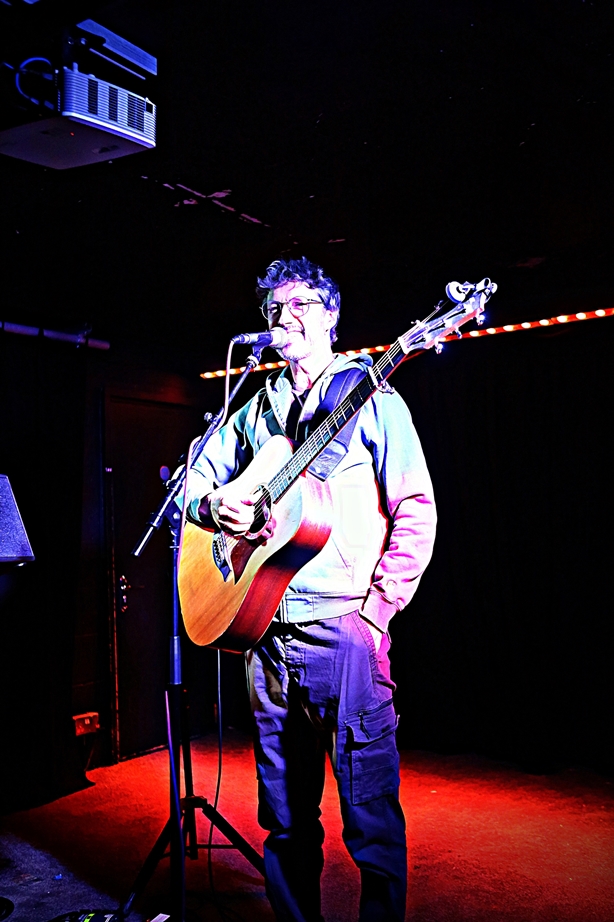
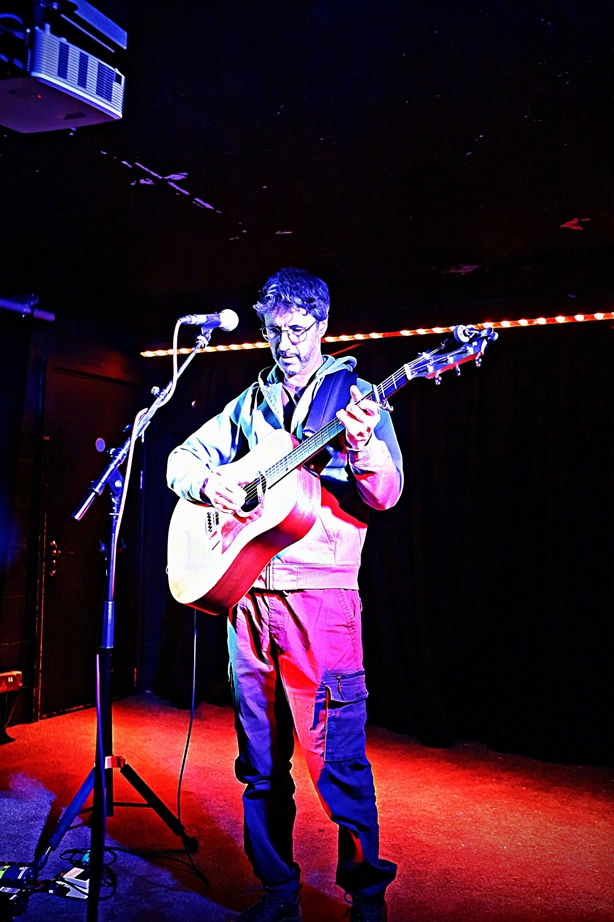
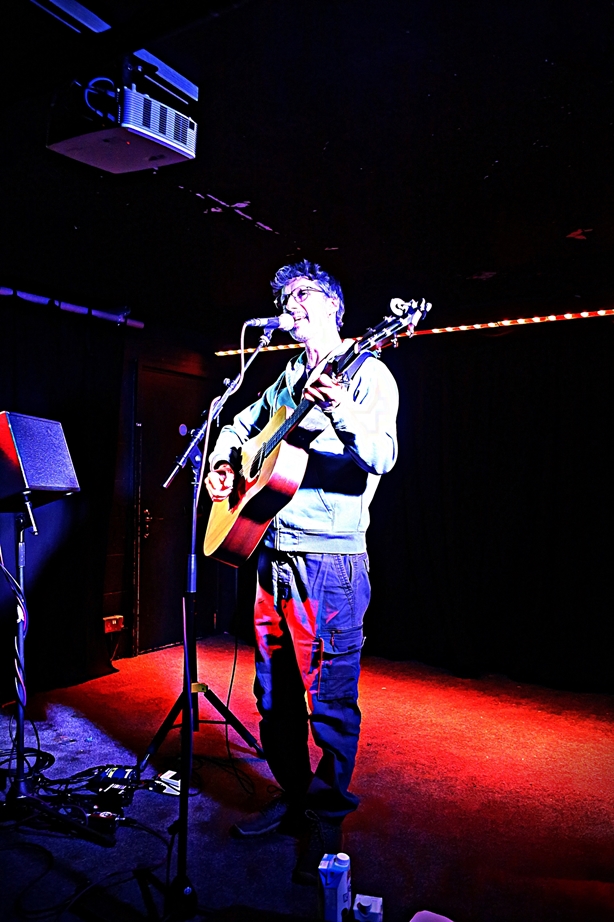
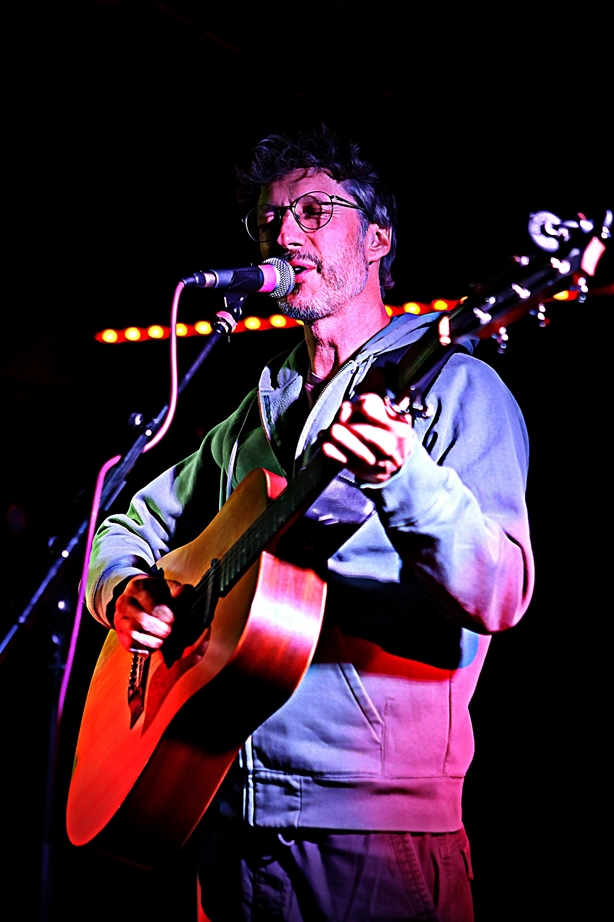
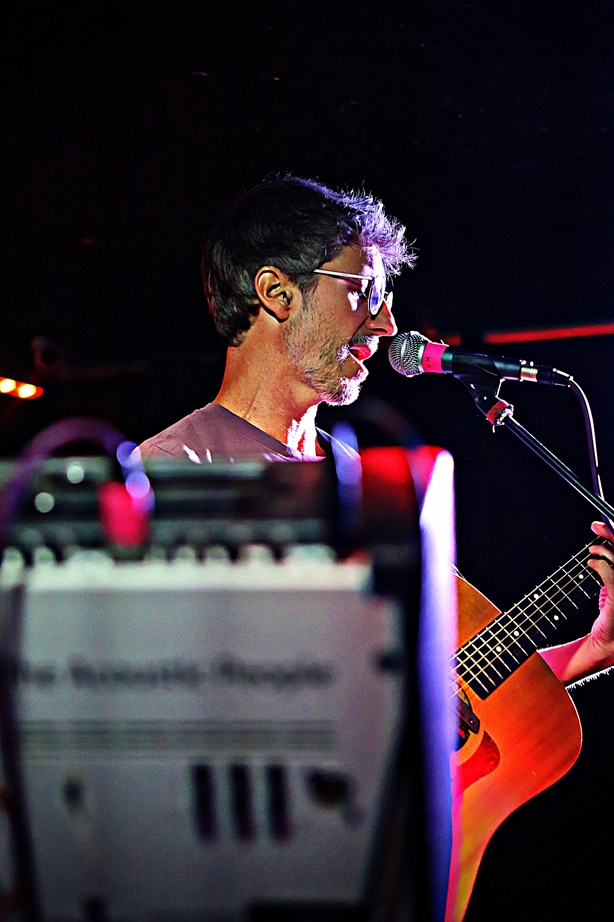
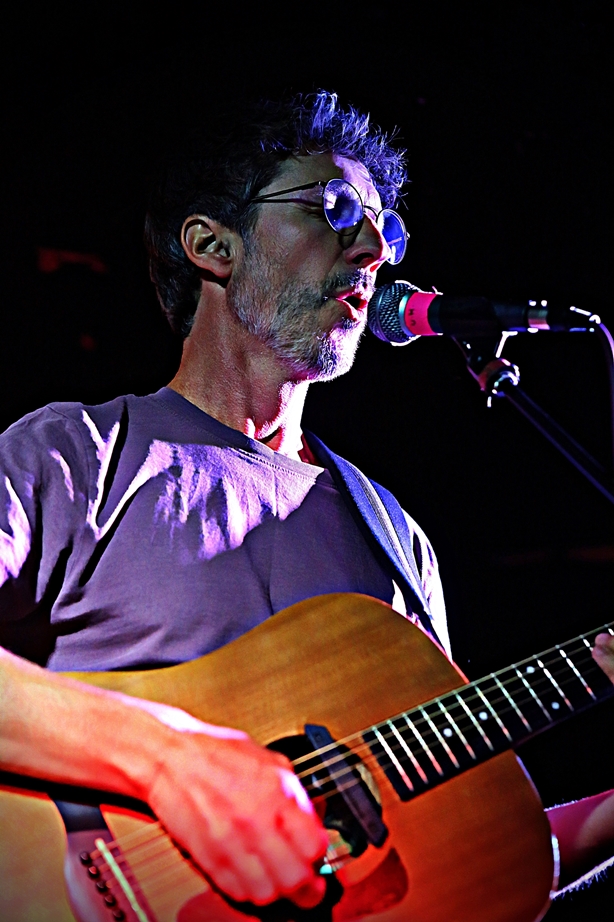
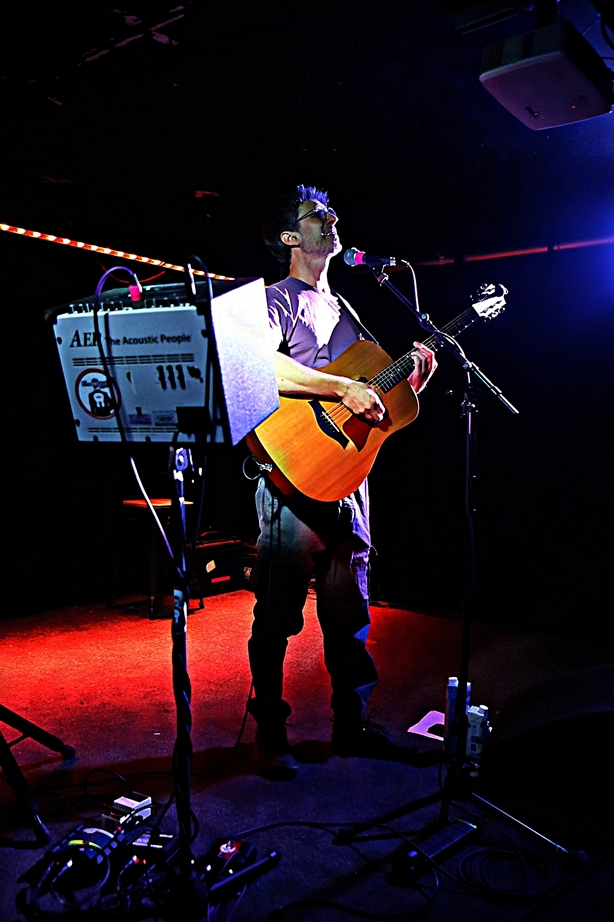
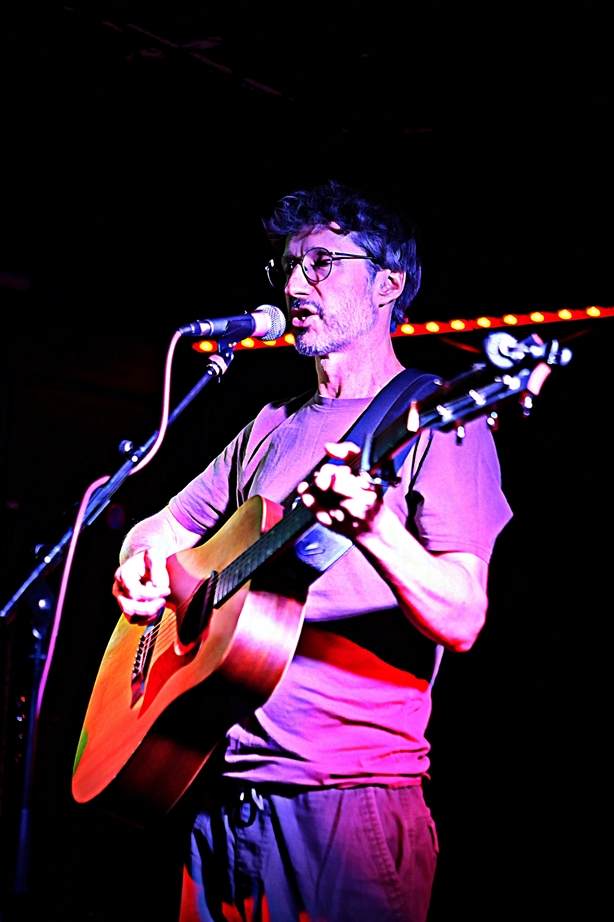
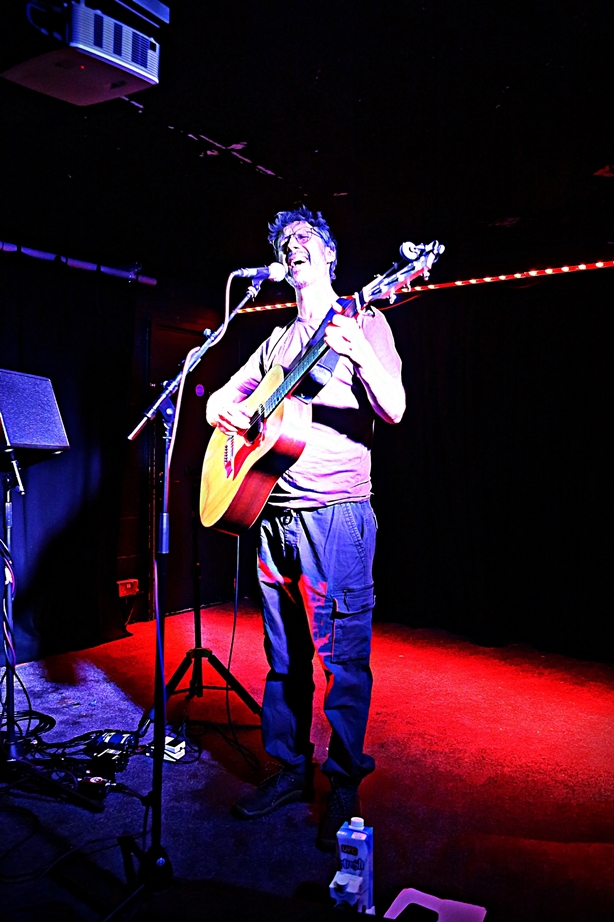
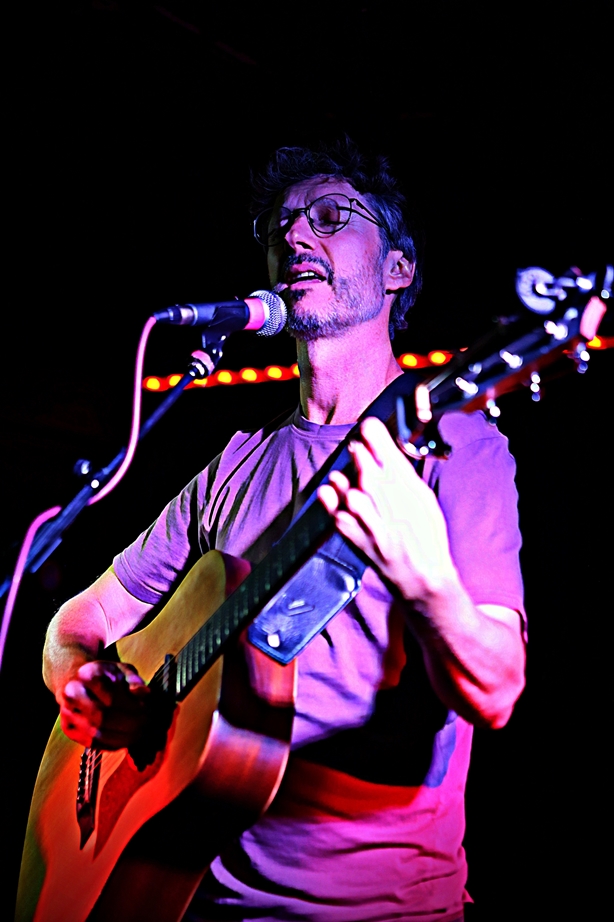
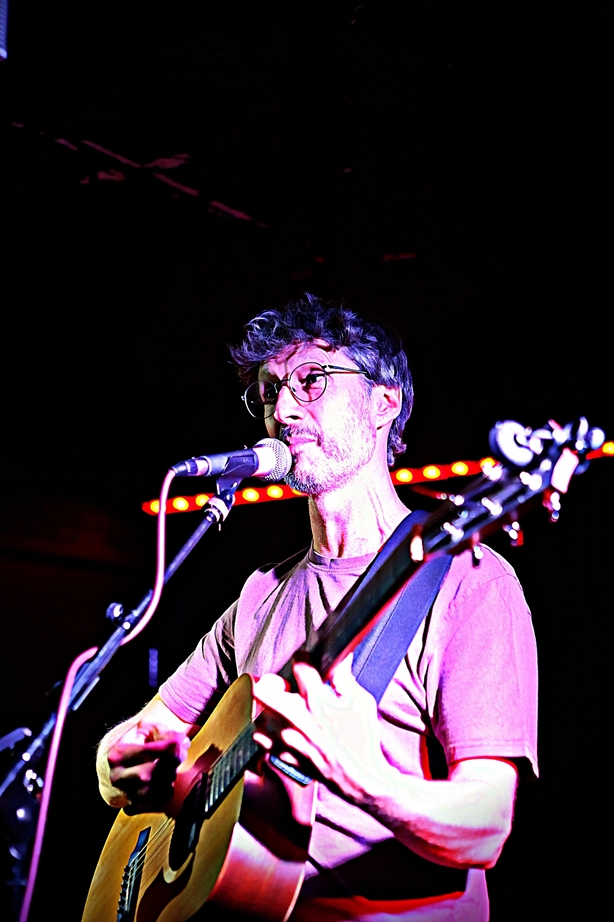
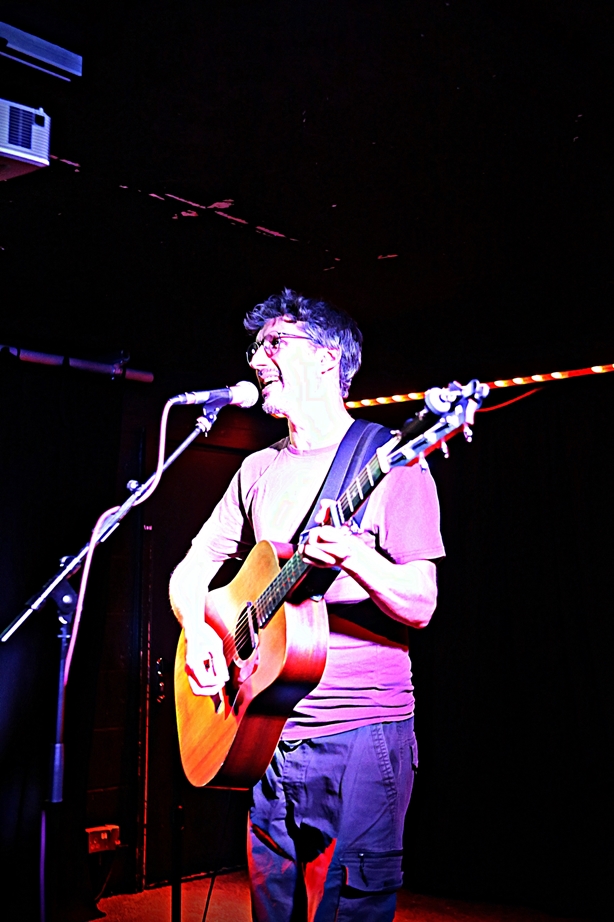
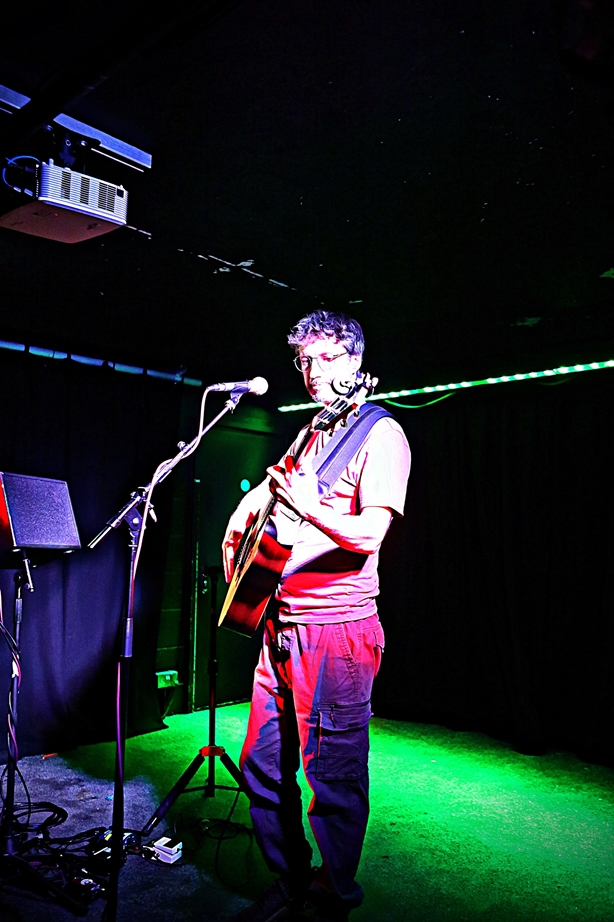
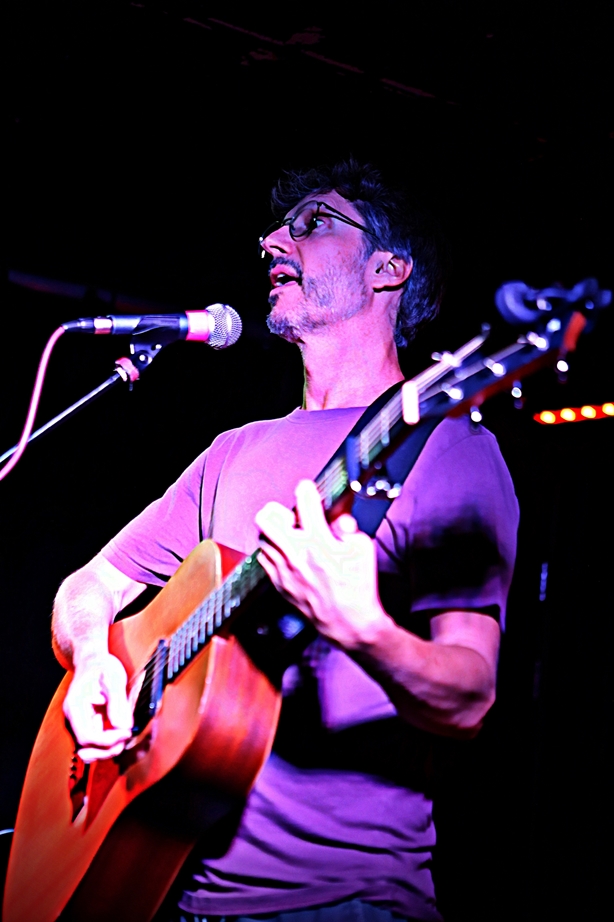
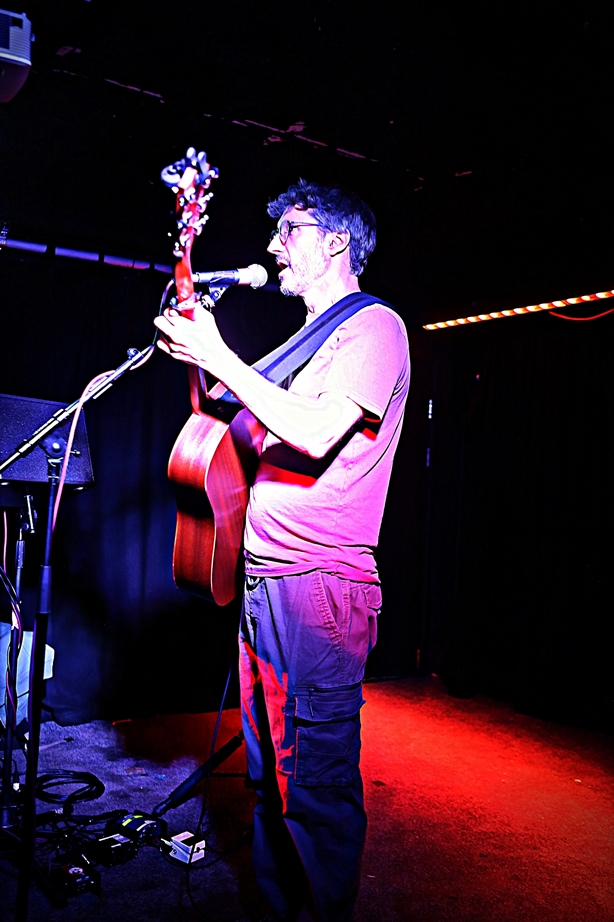
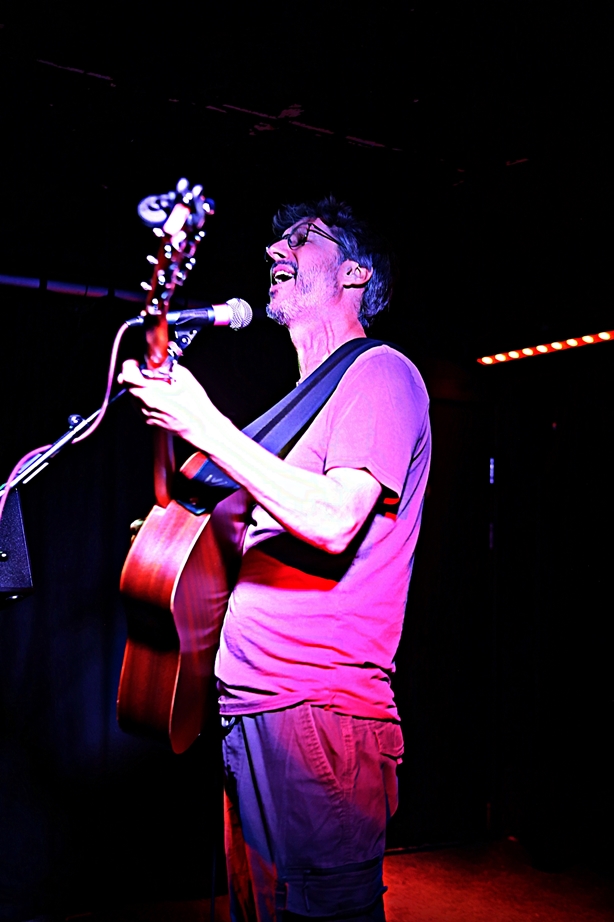
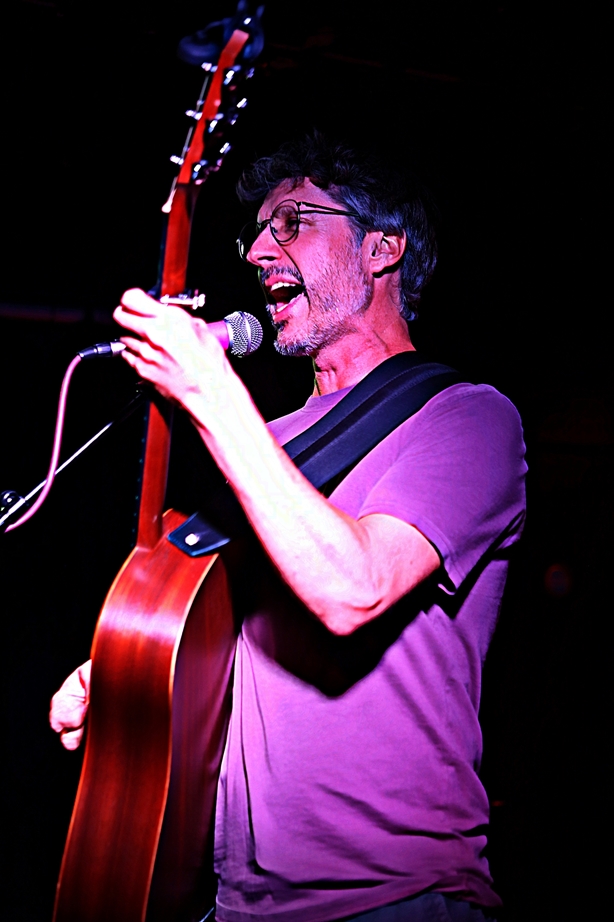
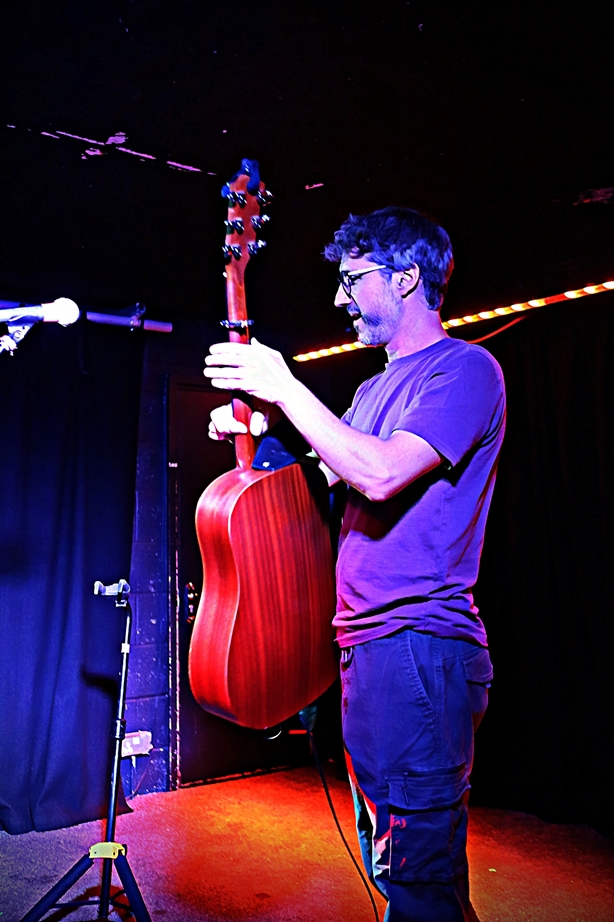
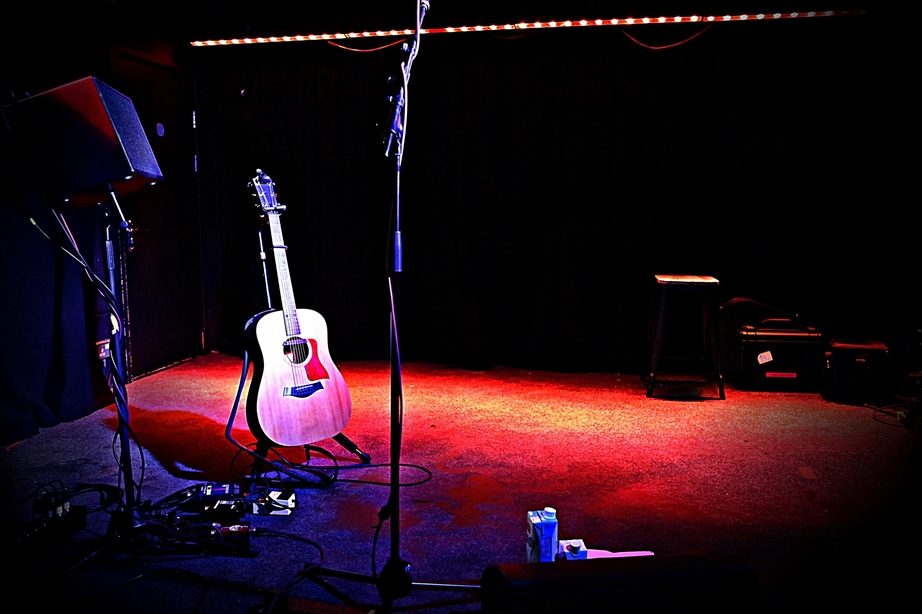
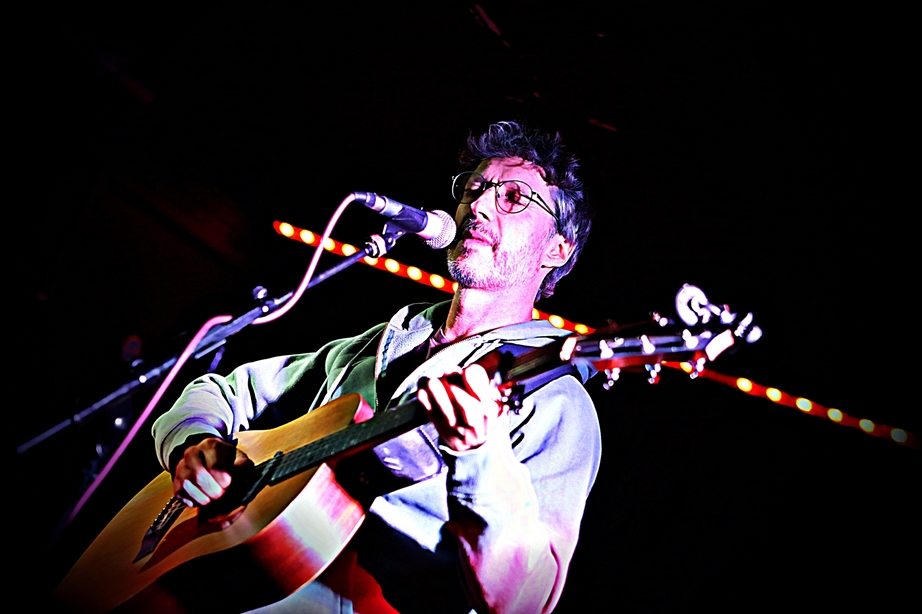
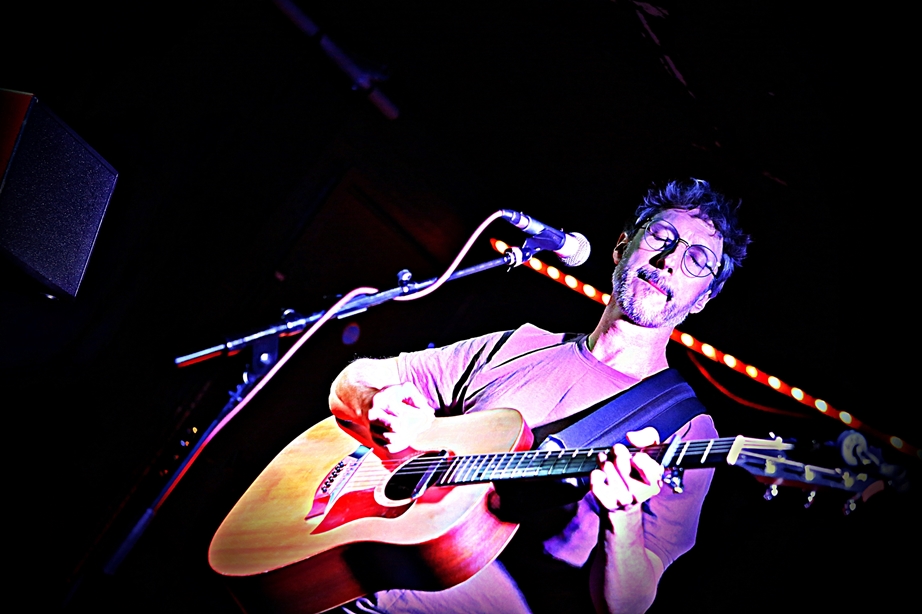
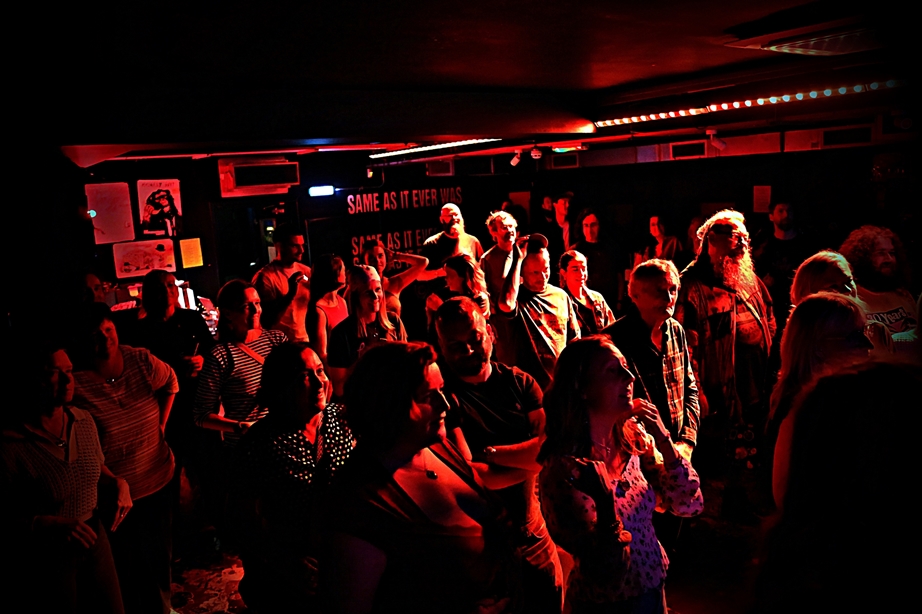
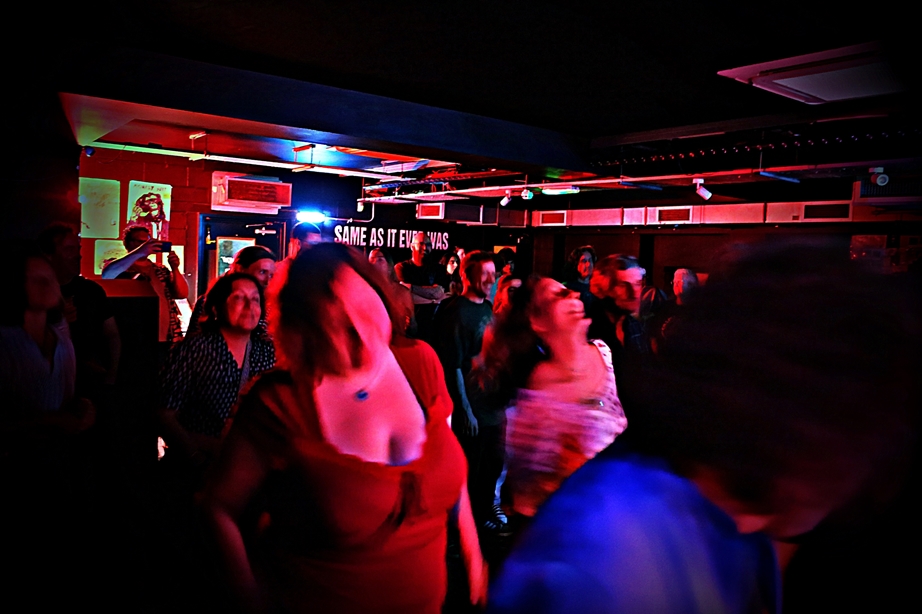
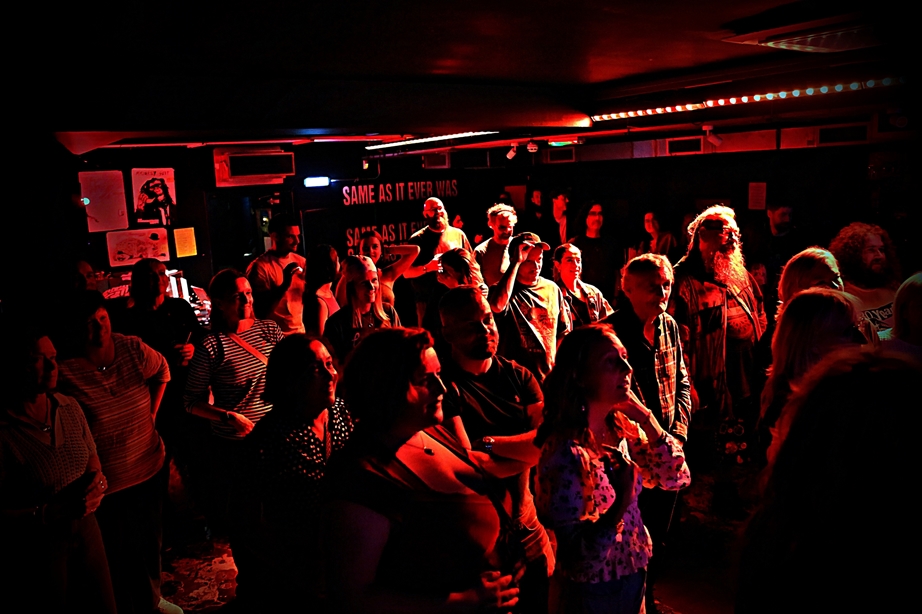
Low ceilings, exposed brick, and that unmistakable hum of anticipation before an acoustic set makes the basement feel quite stripped back and raw. Tonight, it’s hosting something I regard as special, because The Undercover Hippy is delivering his first solo acoustic tour in around four years and you could feel the curiosity in the room. I’ve not seen him like this and was wondering how his songs will land without the full band behind them, and how the humour and the politics will translate when it’s just him, a guitar, and a crowd close enough to see the whites of his eyes. He eased into the first half with a relaxed confidence, chatting between songs, laughing off tiny slips, and turning them into part of the charm. The room softened during the more reflective moments and lit up during the upbeat ones without it ever feeling like a performance being “delivered” at the crowd. It felt almost like he was playing in someone’s living room rather than a basement venue.
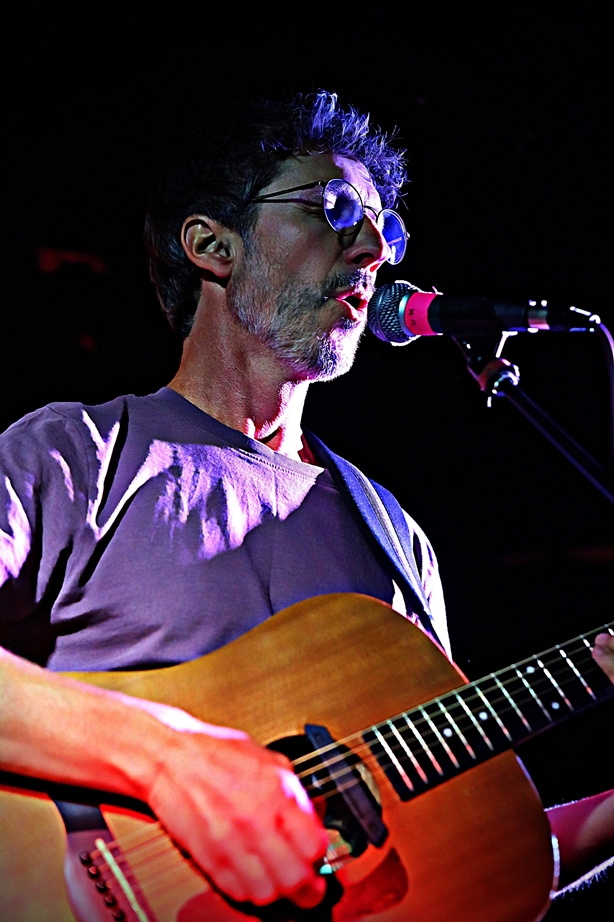
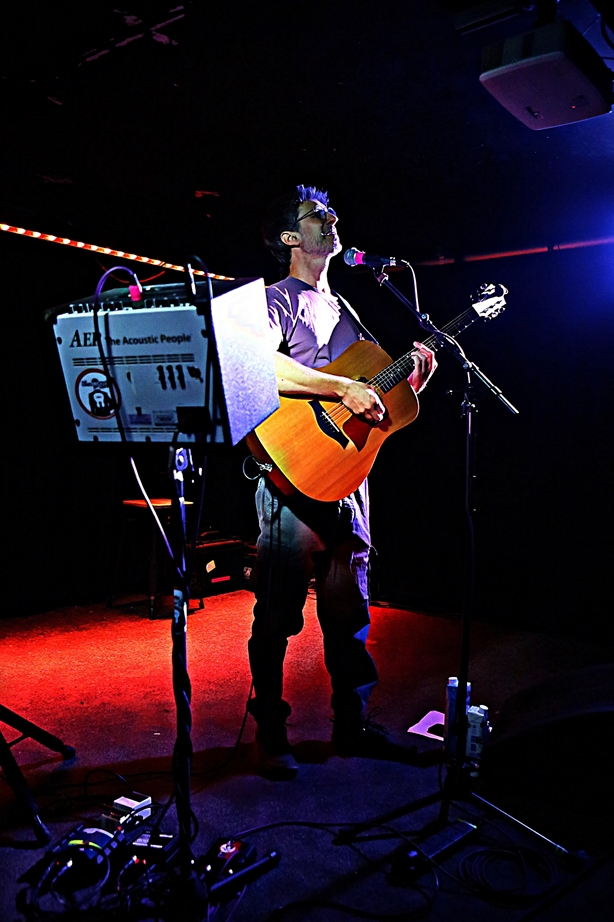
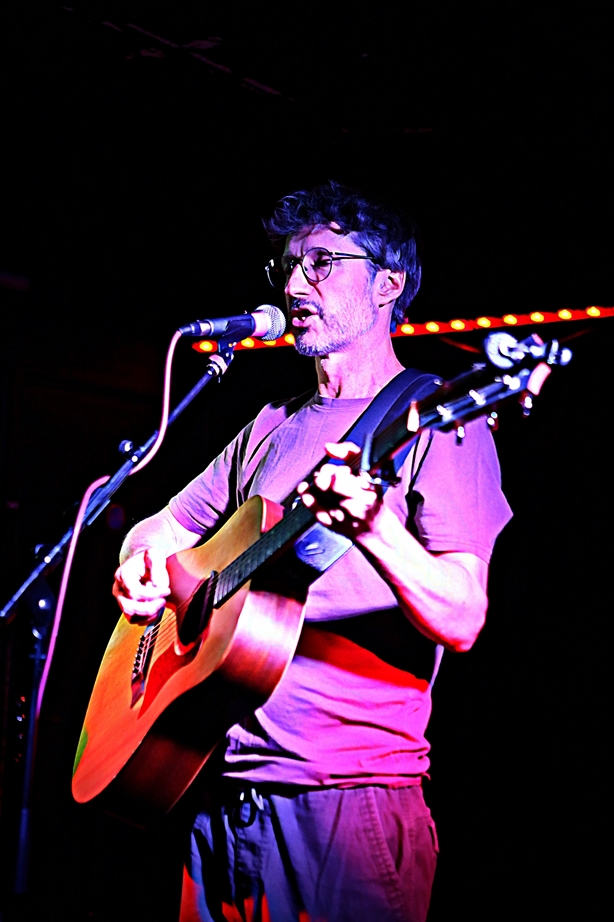
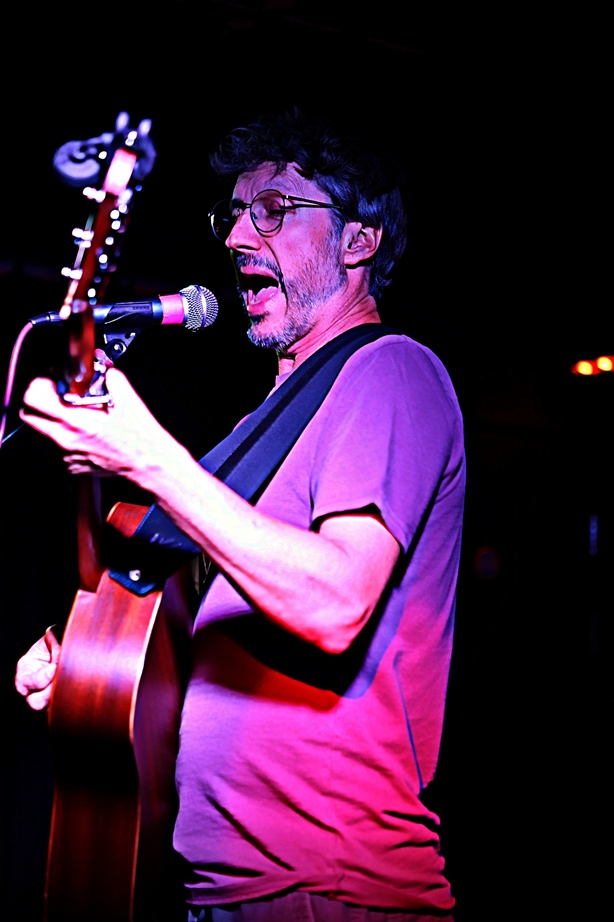
Tonight was only three nights into his tour, but you wouldn’t have known it from how relaxed he seemed. Every now and then he’d take a quick swish (if that’s the right word) of what looked to be coconut milk, but he joked that he hadn’t needed throat spray at all until what turned out to be his penultimate number. If anything, it showed how quickly he’s adapted to the vocal demands of playing solo every night. His voice held strong throughout and was warm, clear, expressive, and carrying that slightly cheeky edge that makes his delivery so distinctive.
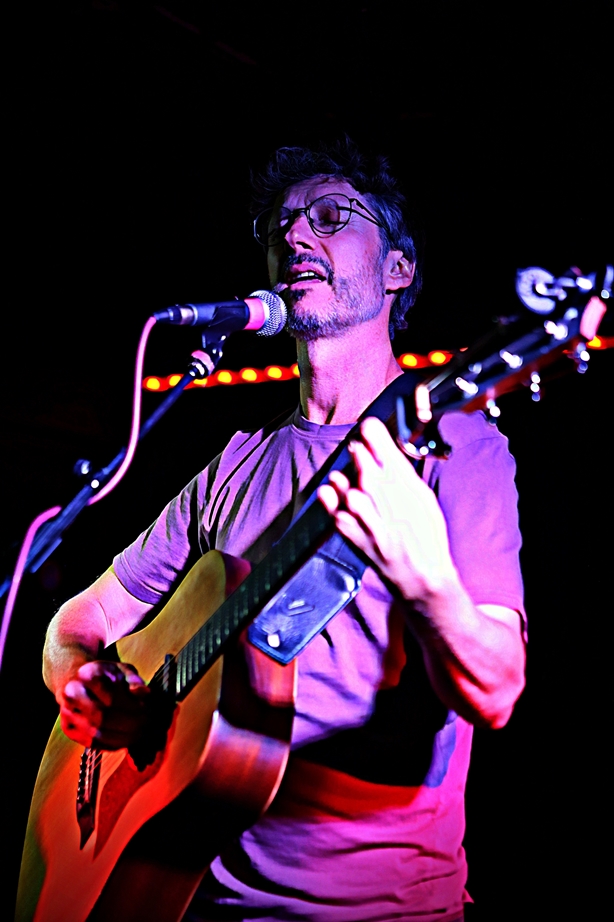
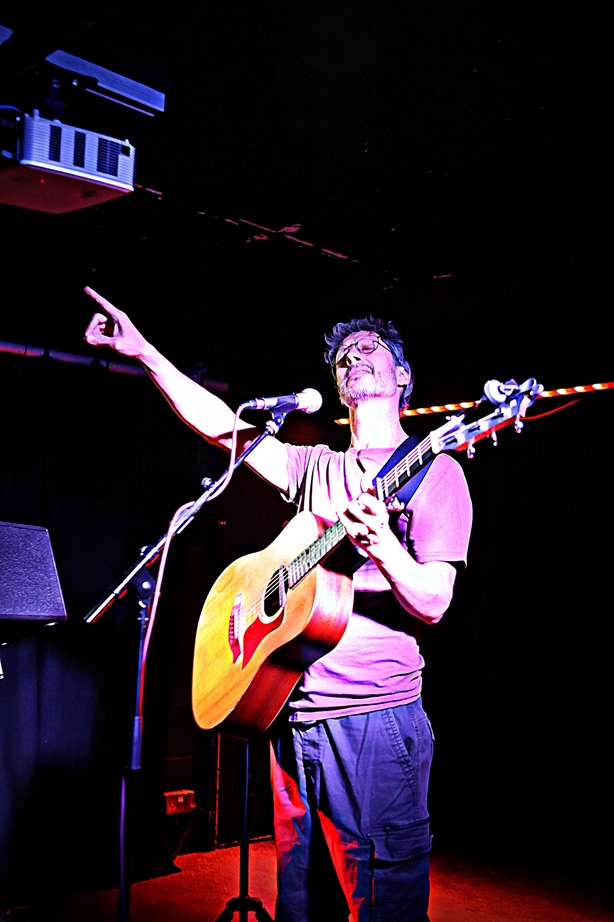
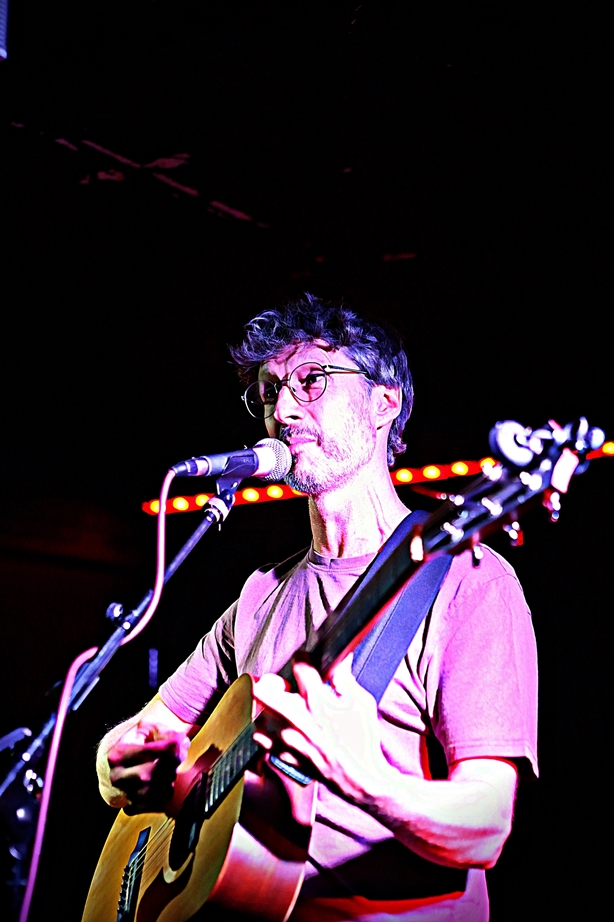
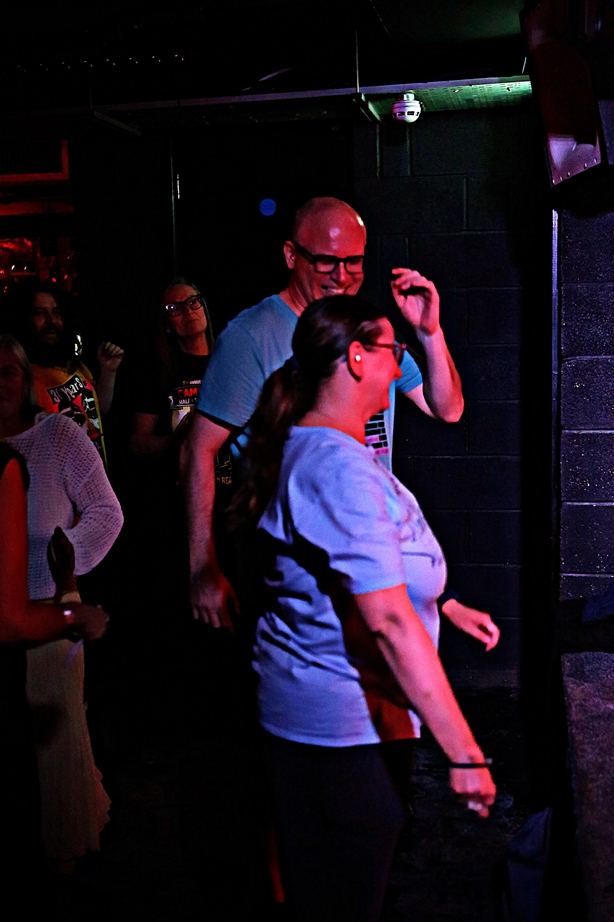
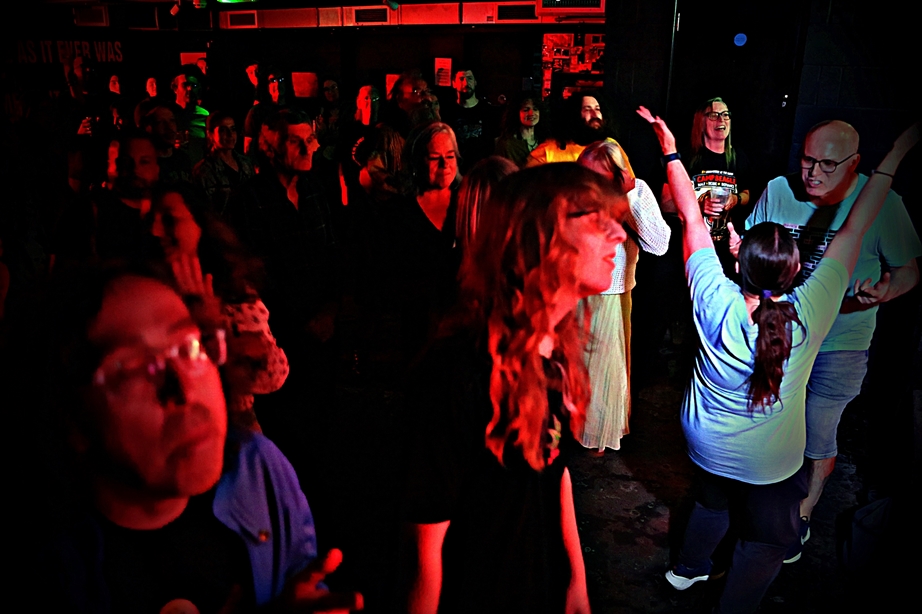
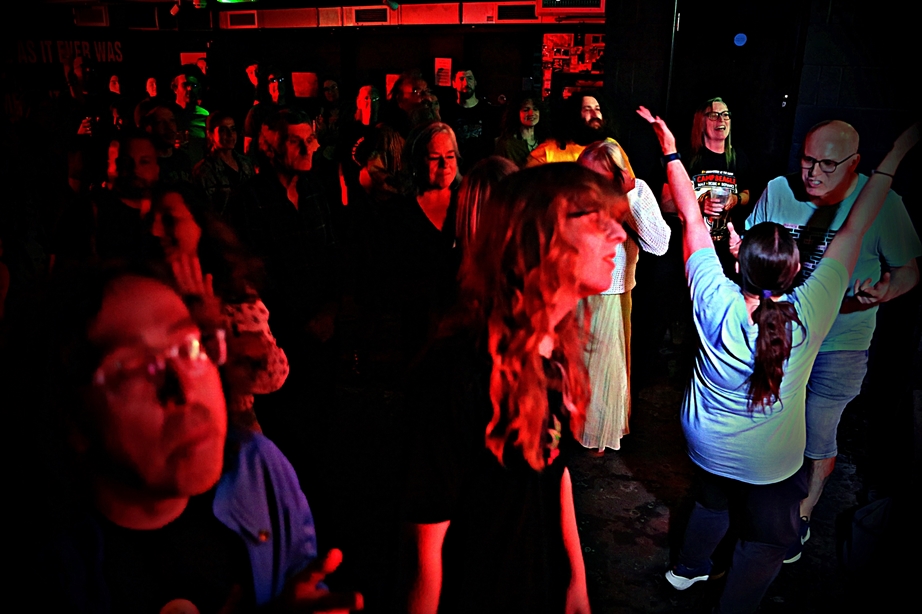
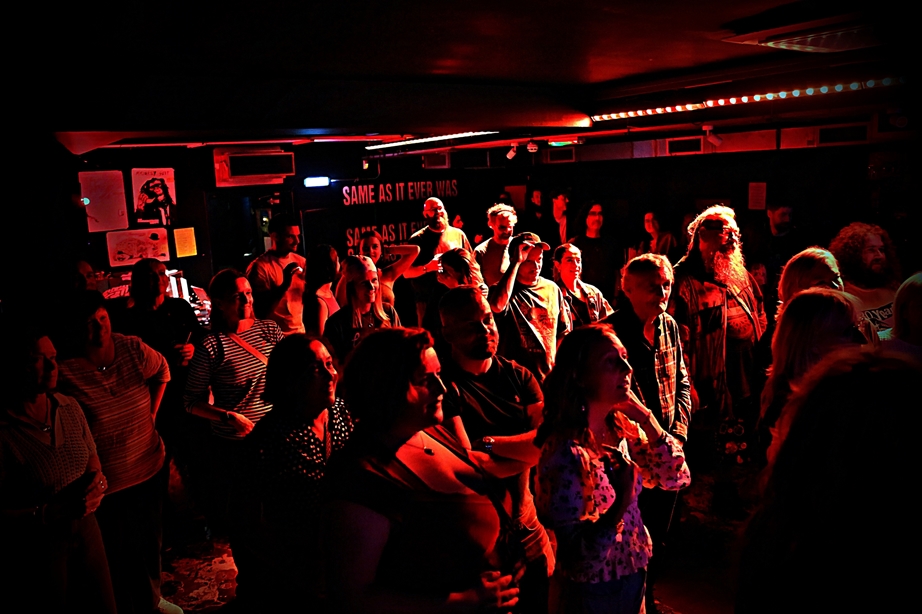
One thing that stood out, and nowadays it’s rare enough to be worth a mention, was the distinct lack of mobile phones. In most venues, even intimate ones, you’ll still get that forest of glowing screens as people film whole songs, check messages, grab selfies or just watch the whole gig through their camera app instead of their eyes. Tonight hardly any phones came out at all and it changed the atmosphere completely. I’m no expert on solo acoustic sets, but a room full of people choosing to experience the moment rather than document it felt both rare and special.
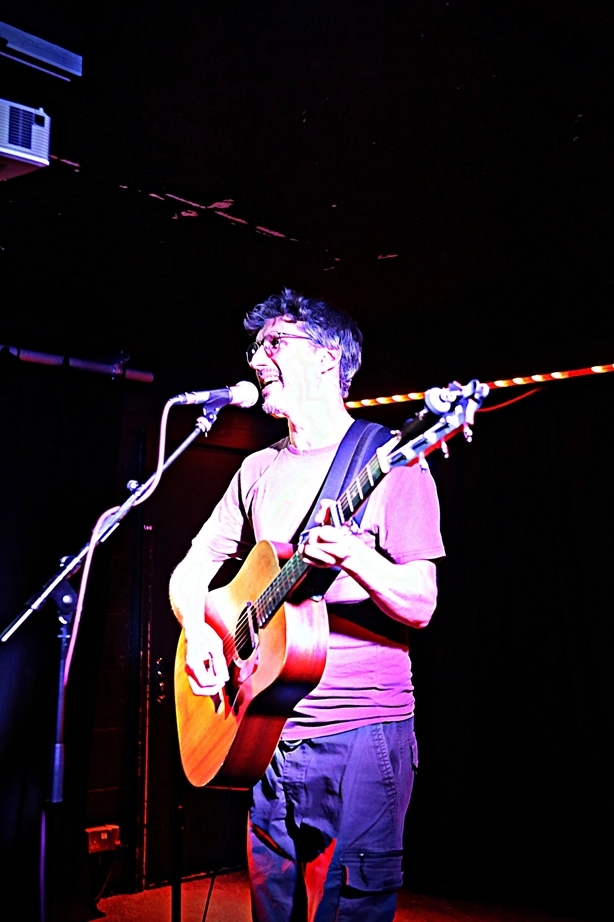
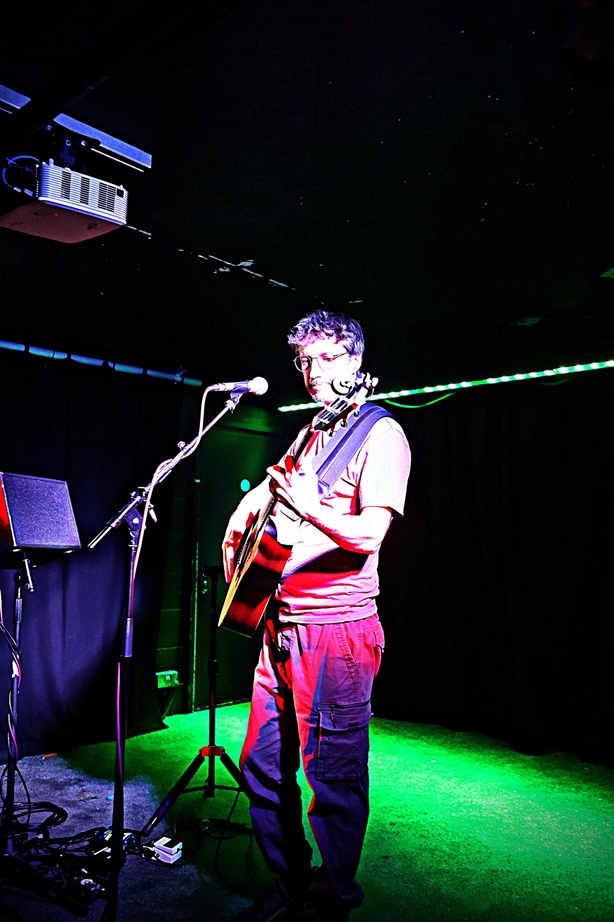
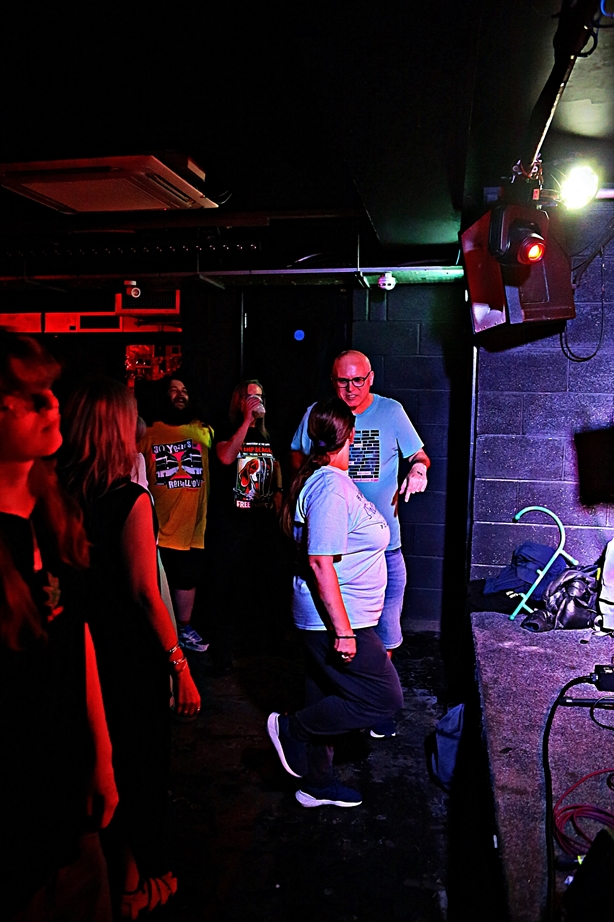
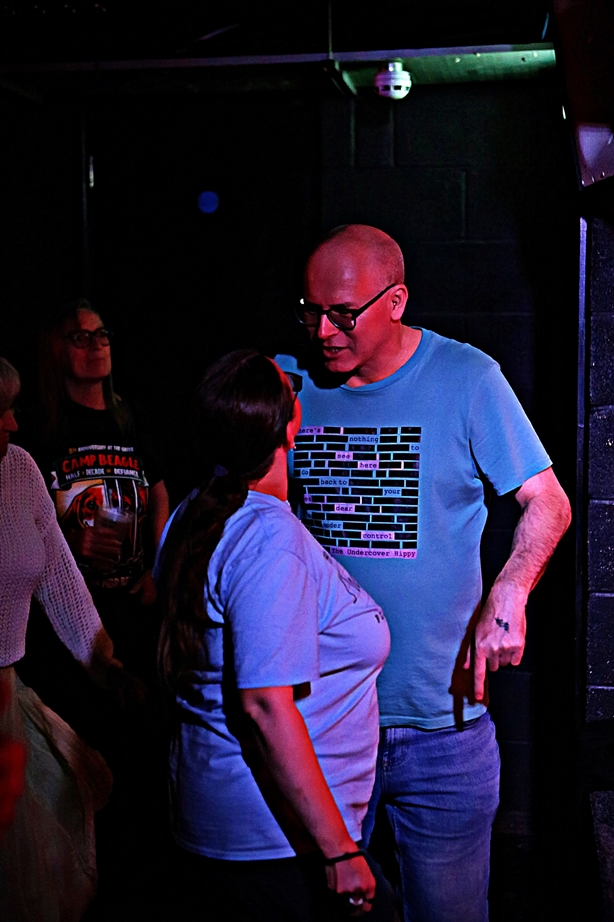
Most vocalists, when the break comes, would use the chance to rest their voice. To step offstage, hydrate, go quiet, conserve energy. Billy didn’t do any of that. He used the interval for connection. For chatting. For being present with the people who’d shown up for him. He even took time to video call a fan who, for whatever reason, couldn’t make it. It was such a simple gesture, but it says everything about the man behind the voice. No ego, no distance, no “I’m the performer, you’re the audience.” Just genuine human warmth.
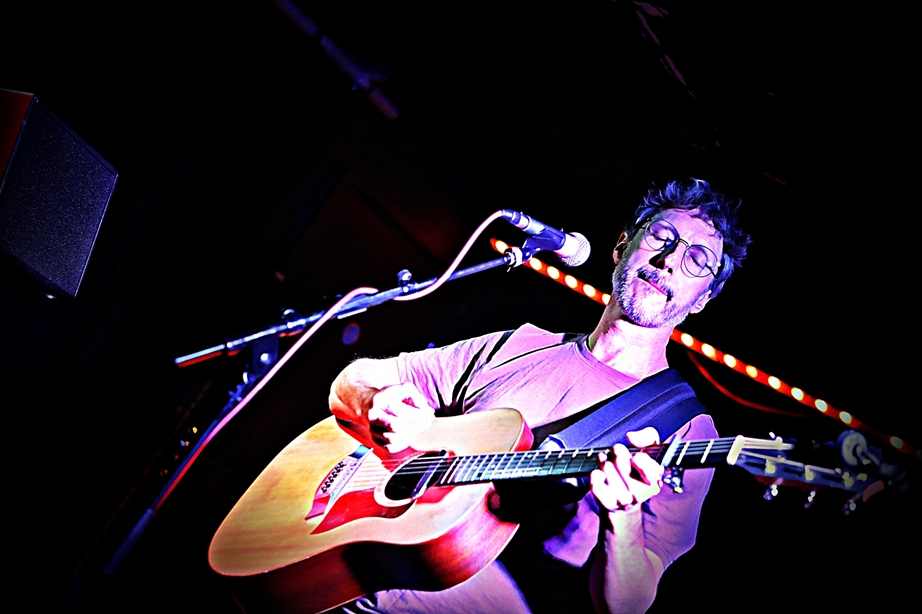
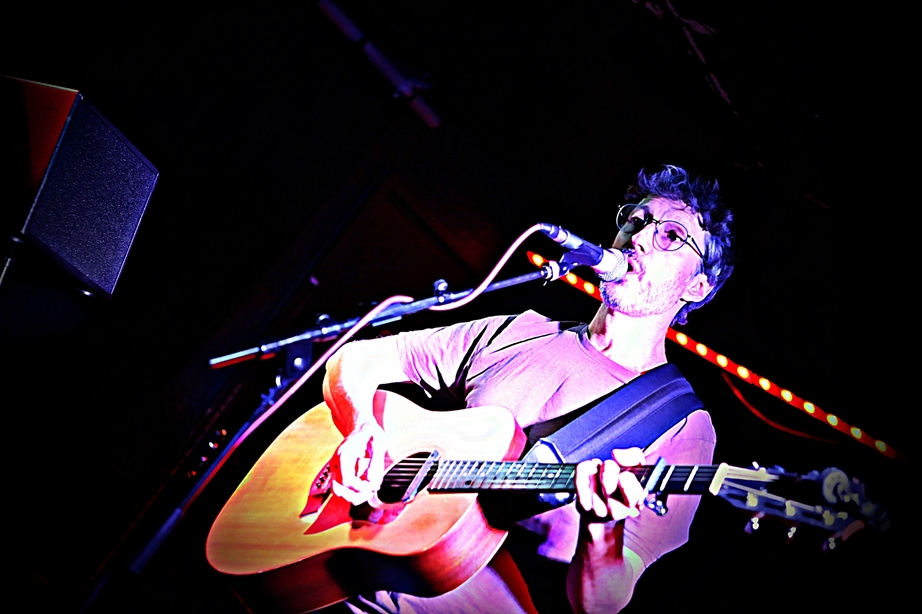
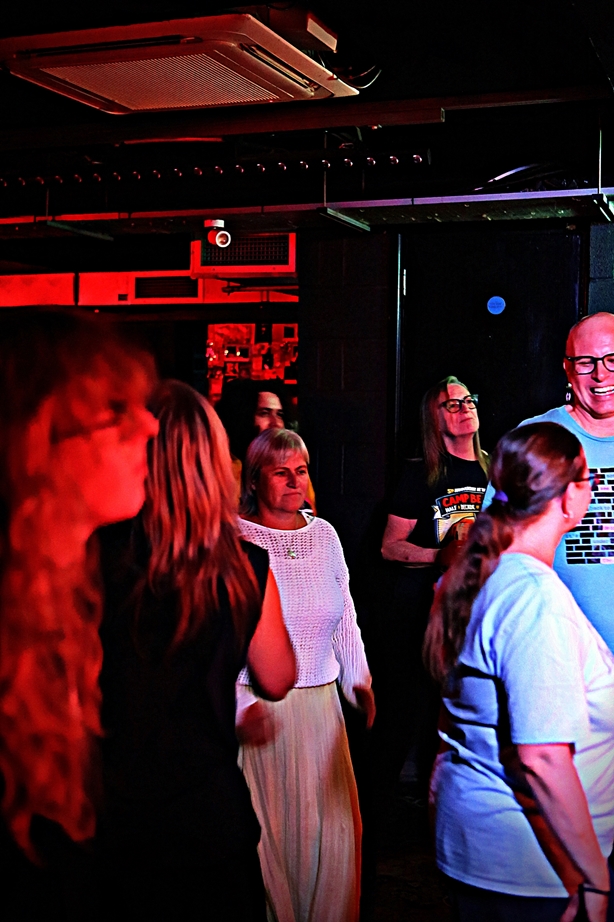
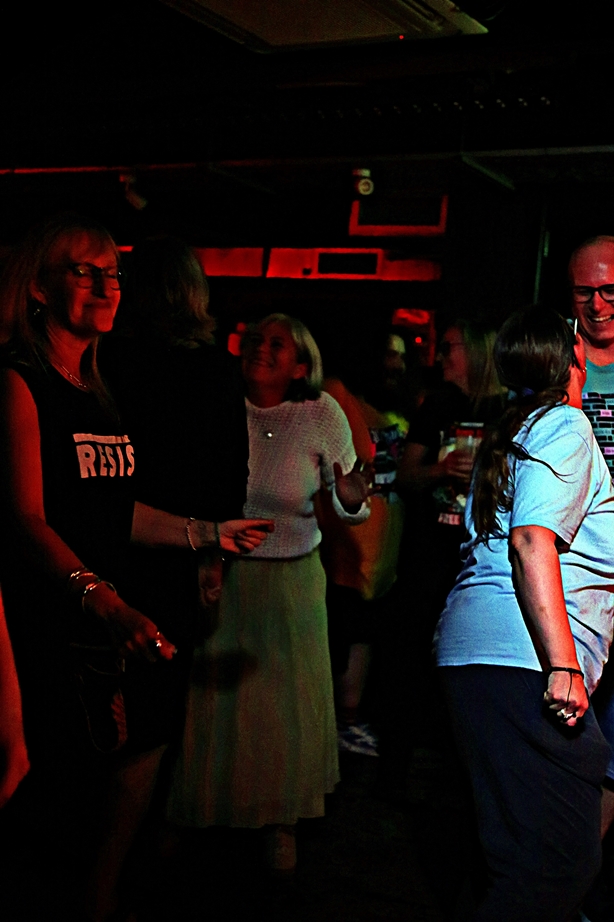
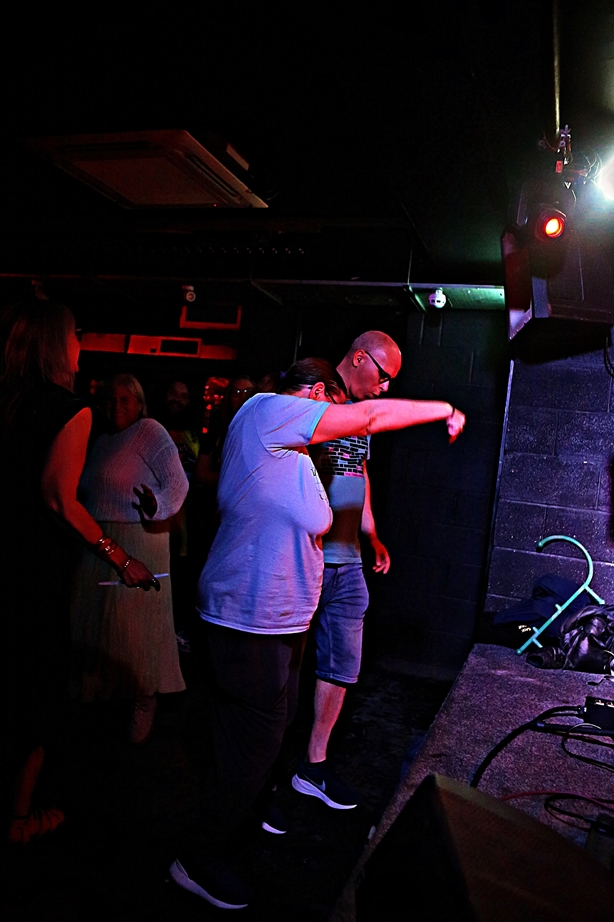
There were obvious audience participation moments in both halves of Billy’s set because his musical style practically beckons you in, but the truth is we all sang along to pretty much everything we knew, and hummed and fake mouthed to the bits we didn’t. It wasn’t forced and for the most part wasn’t prompted. This was just one of those nights where the crowd and the performer fell into the same rhythm, and after our first big sing along, he laughed as he admitted he’d forgotten just how loud and willing Manchester crowds were. It was one of those off the cuff comments that made the room feel even smaller and more connected. You could see that mix of surprise and delight when an artist realises the audience isn’t just listening.
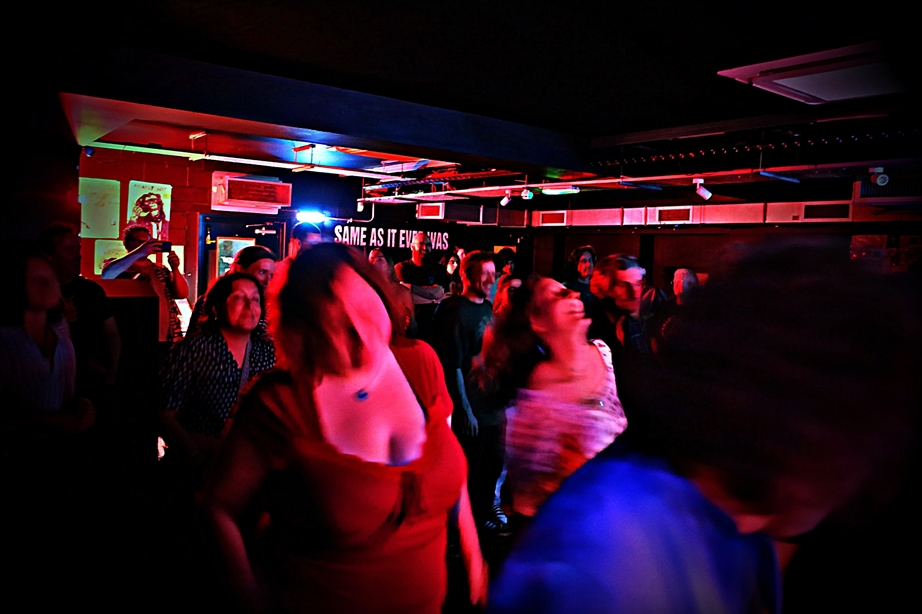
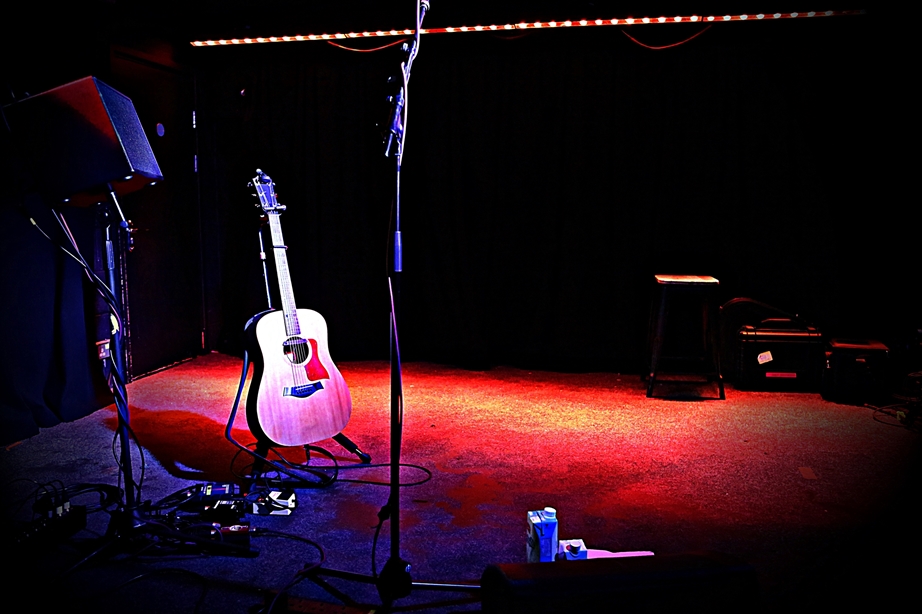
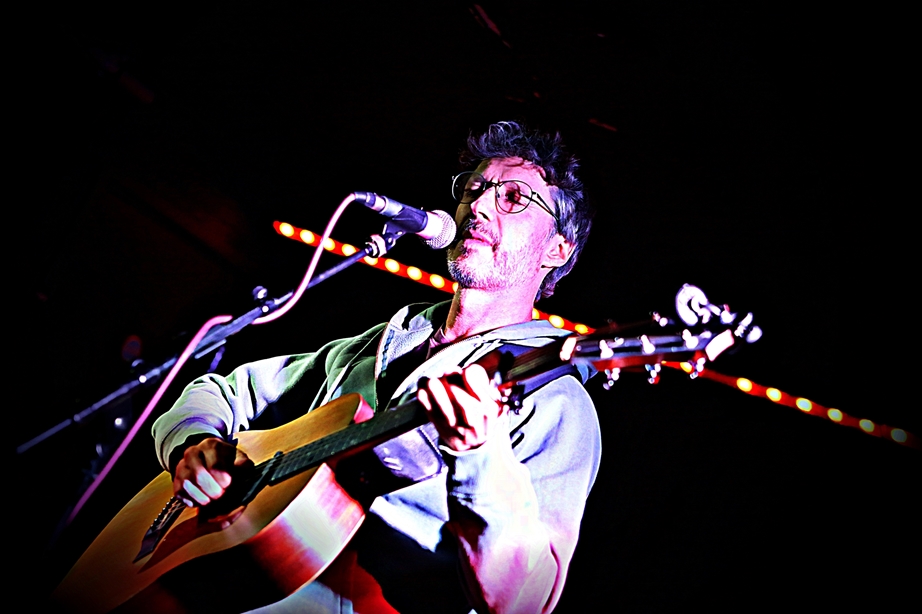
I know that shooting an acoustic set is a bit like shooting a comedian, because whilst you’re there to capture the moments that matter for the review you create, the range of images you end up with can be pretty limited. There’s no dramatic lighting changes, no band interaction, no big movements across the stage. It’s just one person, one mic, one guitar, so you have to work harder for variety, picking out the tiny shifts in expression, the humour, the connection, the vulnerability. It’s a different kind of challenge, but one that suits nights like this perfectly.
Billy Rowan is the kind of performer who makes an acoustic night feel bigger than it is, not through volume or production, but through connection. There’s a sincerity to him that’s so hard to fake. The humility in his replies, the way he chats between songs, the way he laughs off slips, the way he treats the interval as a chance to talk rather than rest. Most artists step offstage to protect their voice, but Billy steps offstage to protect the bond he’s building with the room. He’s a reminder that sometimes the most powerful gigs aren’t the ones with the biggest lights or the biggest crowds, but the ones where the artist shows up as a human being first and a performer second.